
What Car Problems Are More Common in Winter?
From dead batteries to frozen locks, here are the car problems that become more common in winter, and links to fix or prevent each one.
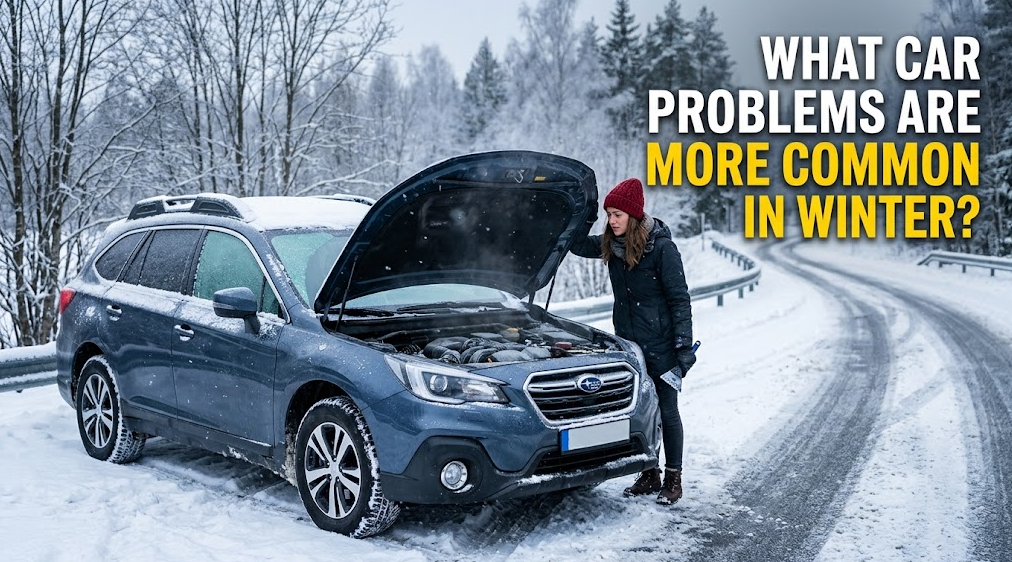
The most common winter car problems in Canada include dead or weak batteries, reduced tire pressure and traction, thickened engine oil that makes starting harder, frozen or streaking washer systems, road salt damage to the undercarriage, and reduced fuel economy from cold starts and idling. Most of these share a common cause: cold temperature affecting a system that works fine the rest of the year.
Understanding why these problems cluster in winter makes it much easier to prevent them, rather than reacting after something fails. Here's a rundown of the issues that come up most often, and where to go for a deeper look at fixing or preventing each one.
Battery and Starting Problems
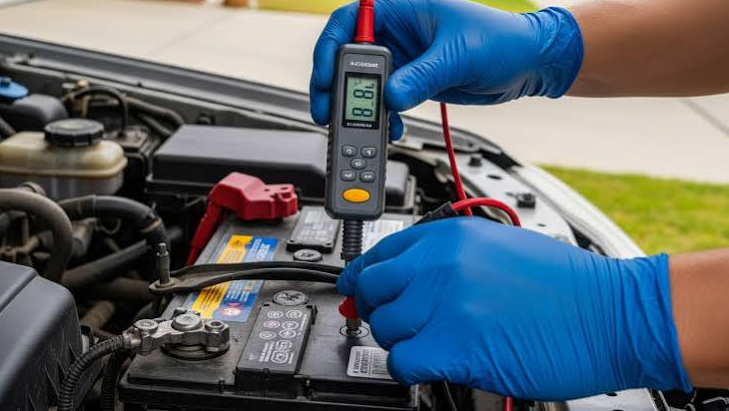
Cold weather is the leading cause of winter breakdowns. Cold slows the chemical reaction inside a battery that produces electricity, right when a cold, thickened engine oil demands more cranking power to start the car. See our guides on how cold weather affects your car battery and why cars won't start in cold weather for the full explanation and what to do about it.
Reduced Tire Pressure and Traction
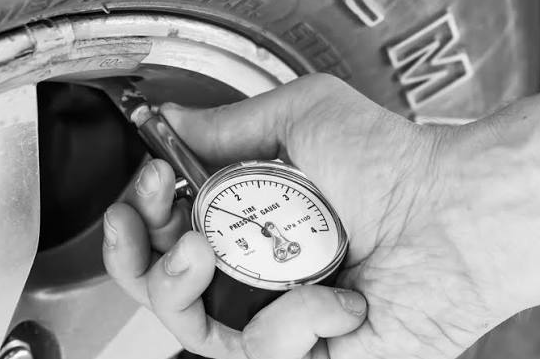
Tire pressure drops as temperatures fall, which can trigger a dashboard warning and affect handling if left unaddressed. Combined with snow and ice, this is part of why winter-specific tires perform so differently from all-season tires. See how cold weather affects tire pressure and our comparison of winter tires vs. all-season tires.
Engine Oil and Starting Resistance
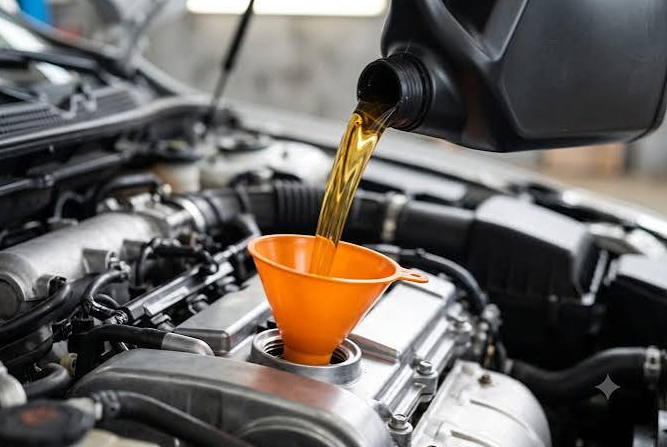
Motor oil thickens in the cold, adding resistance for the starter motor and taking longer to fully lubricate the engine after a cold start. See our explainer on how cold weather affects engine oil and our guide on when to change your engine oil in winter.
Washer Fluid and Visibility Issues
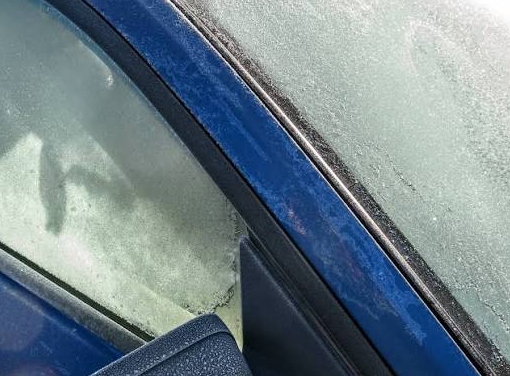
Regular washer fluid can freeze on contact with a cold windshield, and worn wiper blades struggle with snow and ice buildup that doesn't occur the rest of the year. See our winter car fluids guide and our guide on removing ice from your windshield safely.
Road Salt and Undercarriage Corrosion
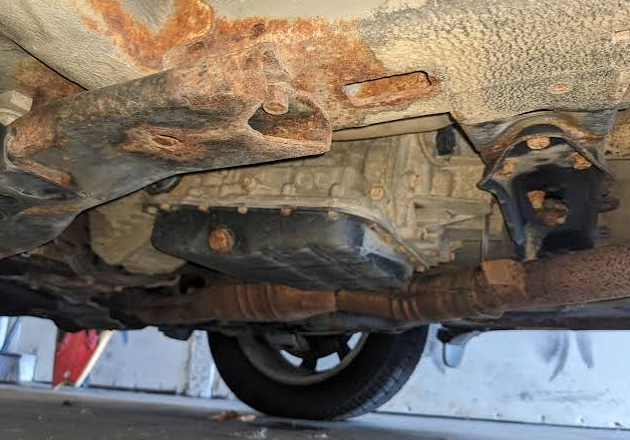
Road salt keeps highways safe but accelerates rust on the frame, brake lines and exhaust system, especially on vehicles that aren't washed regularly through the season. See our guides on protecting your car from road salt and protecting your car's undercarriage in winter.
Reduced Fuel Economy
Cold engines, thicker fluids, extended idling and lower tire pressure all combine to reduce fuel economy in winter compared to the same driving in warmer months. See our guide on improving fuel economy in cold weather for practical ways to offset this.
Quick Reference Table
Problem | Common Cause |
|---|---|
Won't start | Weak battery, thick oil, or both together |
Warning light for tire pressure | Cold air contracting inside the tires |
Streaky or frozen washer fluid | Fluid not rated for cold temperatures |
Underbody rust | Road salt exposure without regular washing |
Lower fuel economy | Cold engine, idling, and lower tire pressure combined |
The Best Defence: Regular Maintenance
Nearly every problem on this list is easier and cheaper to prevent than to fix after the fact. Our winter car maintenance checklist and guide on signs your car needs a winter tune-up are good starting points for building a routine that catches these issues early.
Other Winter-Specific Issues Worth Knowing About
Beyond the most common problems above, a few less frequent but still notable issues come up during Canadian winters. Door locks and seals can occasionally freeze shut after washing or in freezing rain, particularly if moisture wasn't dried off beforehand. Wiper blades can freeze to the windshield overnight if left resting on the glass during a heavy frost, which is why some drivers lift their wipers away from the glass before an especially cold or icy night. Diesel-powered vehicles can experience fuel "gelling" in extreme cold if winter-blend fuel or an additive isn't used, since paraffin wax naturally present in diesel fuel can thicken at low temperatures.
Which Problems Tend to Happen Together
It's worth noting that several of these issues often compound each other rather than happening in isolation. A weak battery combined with thick, cold oil is a much more common cause of a no-start than either factor alone. Low tire pressure combined with worn tread makes winter traction noticeably worse than either issue by itself. This is part of why a single missed maintenance item rarely causes a breakdown on its own, but a few small, unaddressed issues together often do — which is the core argument for a regular winter maintenance routine rather than waiting for one specific symptom to appear.
When a Problem Means You Shouldn't Keep Driving
Most of the issues above are safe to plan around and address on a normal schedule. A few warrant pulling over or not driving until resolved: a brake warning light combined with a change in pedal feel, a temperature gauge reading unusually high, a strong burning smell, or a tire that's visibly losing air while driving. When in doubt, it's always safer to have a vehicle towed or inspected than to continue driving with a symptom you can't explain.
How Regional Conditions Change the Picture
Not every problem on this list affects every driver equally. In regions with extreme sustained cold, like much of the Prairies and the North, battery and starting issues tend to dominate. In regions with heavier snowfall and more mountain driving, like parts of British Columbia and Quebec, traction, tire choice and undercarriage exposure to salt and grit become bigger factors. In coastal and Maritime regions with more freeze-thaw cycling and freezing rain, visibility-related issues (wipers, washer fluid, lights) and road surface unpredictability tend to stand out more than extreme cold itself. Thinking about which of these categories best describes your own driving conditions can help you prioritize which guides on this list to focus on first.
A Quick Self-Assessment
If you're not sure where to start, ask yourself three questions: has my vehicle been slow or hesitant to start recently, has it been more than a year or two since a professional brake and battery check, and do I know whether my current tires are actually rated for winter conditions. A "no" or "not sure" to any of these is a reasonable starting point for which guide to read next, whether that's our page on battery health, signs you need a tune-up, or winter tires vs. all-season tires.
About the author
NorthGrip Admin
Editor-in-chief at NorthGrip Auto.
Stay Winter-Ready
Get more winter driving tips and car care guides in your inbox.
Read Next
How to Choose the Right Winter Car Battery
Not all car batteries handle Canadian winters equally well. Here's what to look for, including cold cranking amps, size and battery type.
How to Prevent Your Car Doors From Freezing Shut
Frozen car doors are a common winter problem. Here's how to prevent your doors, locks and seals from freezing shut before it happens.
How Often Should You Wash Your Car in Winter?
How often should you wash your car in winter? Here's a practical schedule for Canadian drivers dealing with road salt and slush.