
How Often Should You Wash Your Car in Winter?
How often should you wash your car in winter? Here's a practical schedule for Canadian drivers dealing with road salt and slush.
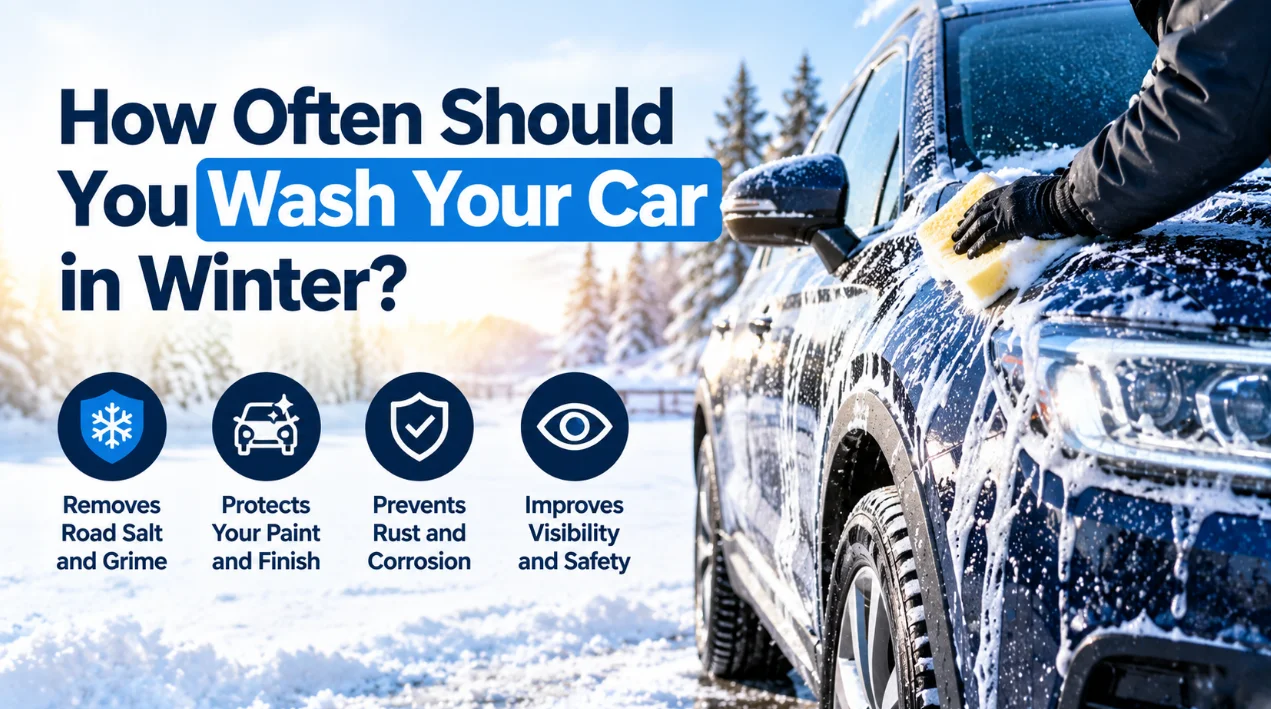
Most Canadian drivers should aim to wash their car, including the undercarriage, every one to two weeks through the winter, and sooner after driving on heavily salted roads or through slush. The goal isn't a spotless finish, it's preventing road salt from sitting on metal surfaces for weeks at a time, since that's what accelerates rust and corrosion.
Washing a car in winter feels counterintuitive to a lot of people, since it seems to get dirty again within a day or two. But the value isn't cosmetic, it's protective, and the schedule below reflects that.
Why Winter Washing Is Different From Summer Washing
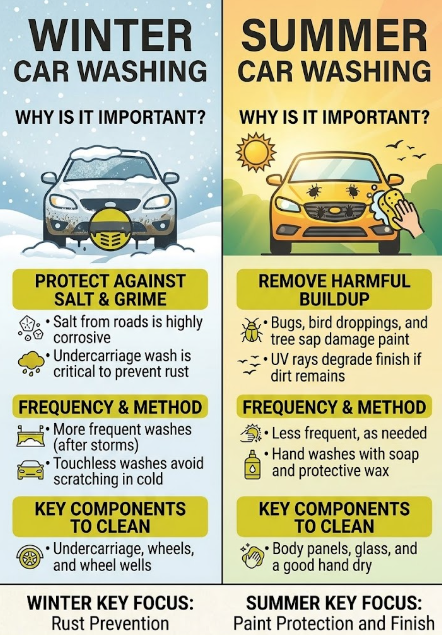
In summer, washing is mostly about appearance. In winter, it's primarily about removing road salt, sand and chemical de-icers before they have time to sit on your vehicle's paint and, more importantly, the underbody. Salt residue left in place for weeks does far more damage than the same salt rinsed off within a few days.
A Practical Washing Schedule
Situation | Suggested Frequency |
|---|---|
Regular winter driving on salted/treated roads | Every 1–2 weeks |
After driving through heavy slush or a fresh salt application | Within a few days if possible |
Extended cold snap (well below freezing) | Wash on a day above freezing when possible, or use a touchless/heated bay |
Before a known thaw or rain event | Not essential, but a good opportunity for a scheduled wash |
Don't Skip the Undercarriage
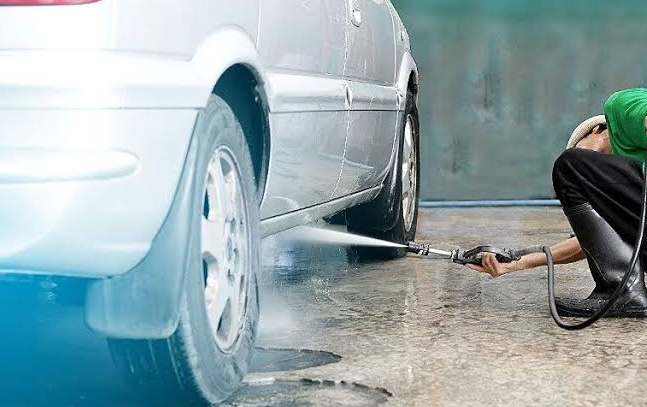
A standard wash that only covers the visible body misses the area that suffers the most from road salt. Many car washes offer an underbody or undercarriage rinse as an add-on — use it every time in winter. See our guide on protecting your car's undercarriage in winter for more on why this area needs extra attention.
What About Just After a Wash, Before It Refreezes?
One detail worth planning around is timing your wash so the vehicle has a chance to dry, at least partially, before parking for an extended period in extreme cold. Washing right before work or an errand, so the vehicle spends time driving (which helps water shed off) rather than sitting still immediately afterward, reduces the chance of water refreezing in seams, seals and locks.
Washing in Extreme Cold: What to Watch For
Water can refreeze in door seals, locks and handles within minutes in very cold weather
Dry door jambs, locks and mirrors after washing, especially before a cold night
Consider a touchless or heated-bay wash during extended deep-freeze periods
Avoid washing right before parking outside in extreme cold if you can't dry the vehicle first
Does Washing Prevent All Rust?
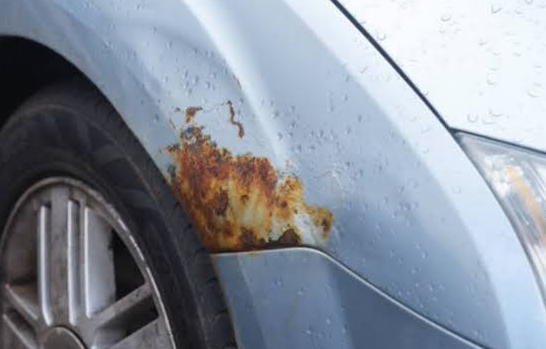
Regular washing significantly slows corrosion but doesn't replace rustproofing treatments for full protection. For a complete approach, combine your washing schedule with the rustproofing options covered in preventing rust and corrosion from road salt.
Choosing Between Hand Washing, Automatic and Touchless
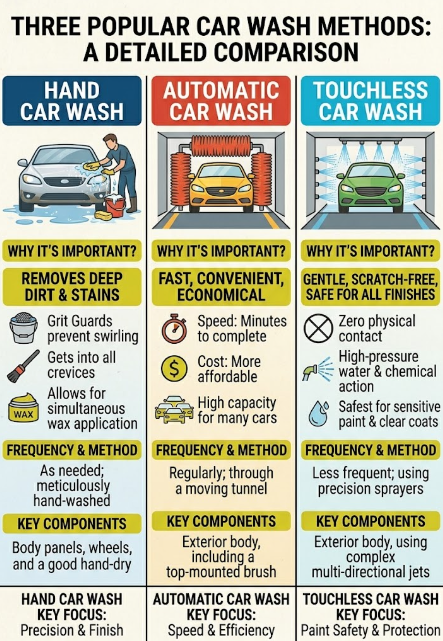
Each washing method has trade-offs in winter. Hand washing at home gives you the most control but exposes you to the cold and requires access to water that won't immediately freeze. Automatic car washes with brushes are convenient and often include an undercarriage rinse, but frequent brush contact can occasionally cause minor swirl marks over time. Touchless car washes rely on high-pressure water and cleaning agents rather than physical brushes, which is a reasonable choice if you're concerned about the vehicle's finish, though it may be slightly less effective at removing heavily packed snow or ice from wheel wells.
What About Rinsing With Just Water at Home?
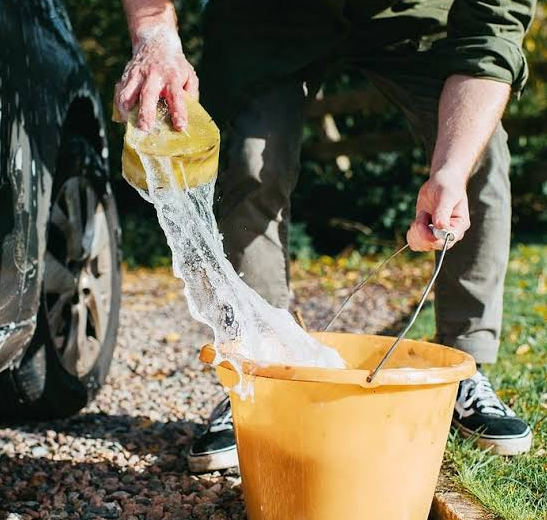
A quick rinse with a hose, without soap, can help knock loose surface salt and slush between full washes, especially the day after a storm when a full wash isn't practical. This isn't a substitute for a proper wash with an undercarriage rinse, but it's better than doing nothing if a full wash has to wait a few days.
Building the Habit
The easiest way to keep up with winter washing is to treat it as routine maintenance rather than an optional errand, the same way you'd treat an oil change. Add it to your winter car maintenance checklist so it doesn't get skipped during the busiest, coldest weeks of the season.
Frequently Asked Questions
Is it bad to wash my car when it's extremely cold outside?
It's generally fine as long as you can dry door seals, locks and mirrors afterward to prevent them from freezing shut. Touchless car washes and heated bays are a good option during extreme cold snaps.
Does a wax or ceramic coating reduce how often I need to wash?
A protective coating can make salt and grime easier to rinse off and may offer some added protection for painted surfaces, but it doesn't remove the need for regular washing, especially of the undercarriage.
Is it worth washing my car right before a big snowstorm?
It can be, if you have time and the temperature allows it. Starting a storm with a clean vehicle, especially a clean undercarriage, means the salt and slush that follows has less existing buildup to combine with. It's not essential, but it's a reasonable habit if your schedule allows for it.
What Happens If You Rarely Wash Your Car in Winter
Skipping winter washing for an entire season doesn't necessarily cause immediate, visible damage, but it does mean salt and grime have far more time to work on exposed metal, seams and the undercarriage than they would with a regular washing routine. Over several winters, vehicles that are rarely washed tend to show more corrosion and cosmetic wear than similar vehicles that were washed regularly, even if both were driven on the same roads. The effect is cumulative rather than immediate, which is exactly why it's easy to underestimate until the damage has already progressed.
Budgeting for Winter Washing
Washing every one to two weeks through a Canadian winter adds up over the season, which is worth factoring into a maintenance budget the same way you'd budget for oil changes or winter tires. Some drivers offset the cost with an unlimited monthly wash membership offered by many chains, which can work out cheaper than paying per visit if you're washing regularly. Whichever approach you choose, it's worth thinking of it as a cost of protecting the vehicle rather than an optional cosmetic expense, given how much it contributes to slowing down road salt damage over time.
About the author
NorthGrip Admin
Editor-in-chief at NorthGrip Auto.
Stay Winter-Ready
Get more winter driving tips and car care guides in your inbox.
Read Next

How to Choose the Right Winter Car Battery
Not all car batteries handle Canadian winters equally well. Here's what to look for, including cold cranking amps, size and battery type.
How to Prevent Your Car Doors From Freezing Shut
Frozen car doors are a common winter problem. Here's how to prevent your doors, locks and seals from freezing shut before it happens.
What Car Problems Are More Common in Winter?
From dead batteries to frozen locks, here are the car problems that become more common in winter, and links to fix or prevent each one.