
How to Prevent Your Car Doors From Freezing Shut
Frozen car doors are a common winter problem. Here's how to prevent your doors, locks and seals from freezing shut before it happens.
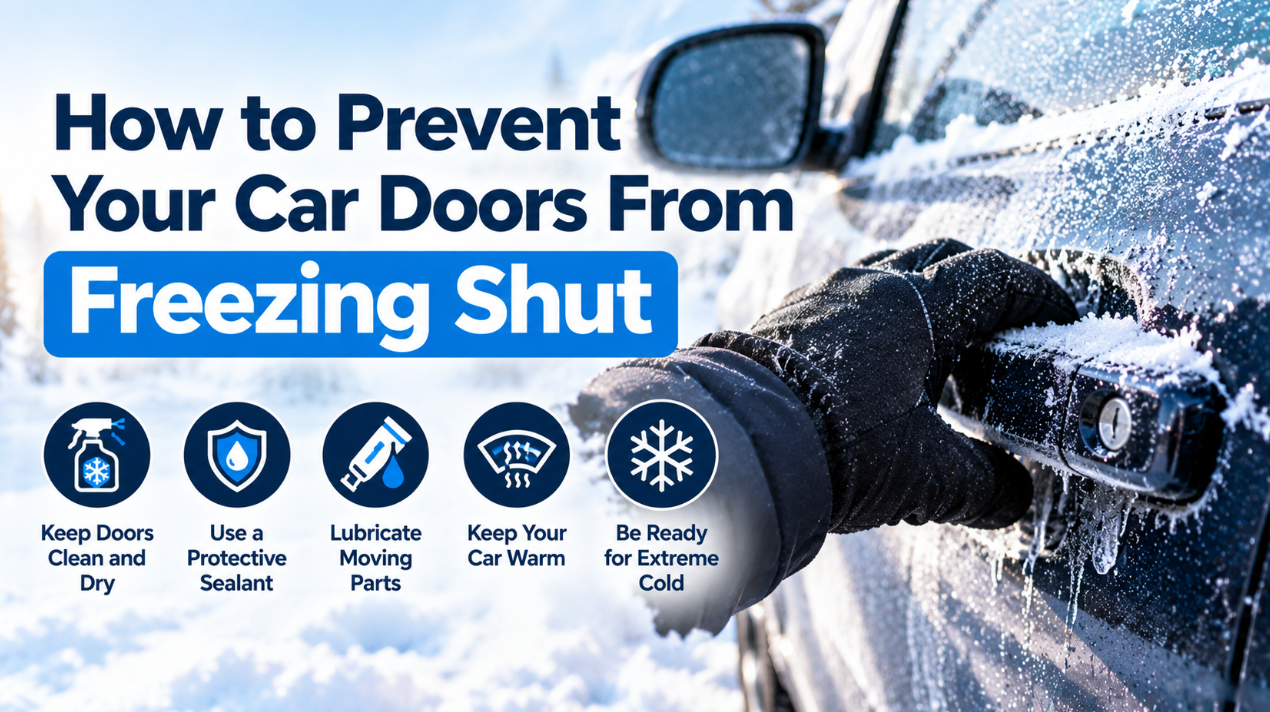
Car doors freeze shut when moisture on or around the door seals turns to ice, effectively gluing the rubber seal to the door frame. The most reliable ways to prevent it are keeping door seals clean and lightly lubricated with a silicone-based product, drying doors and seals after washing your car, and avoiding parking with doors closed on wet seals right before a hard freeze.
A frozen door is rarely dangerous, but it's inconvenient, and forcing a frozen door open can tear or damage the rubber seal, turning a minor annoyance into a repair. A little prevention goes a long way here.
Why Doors Freeze Shut
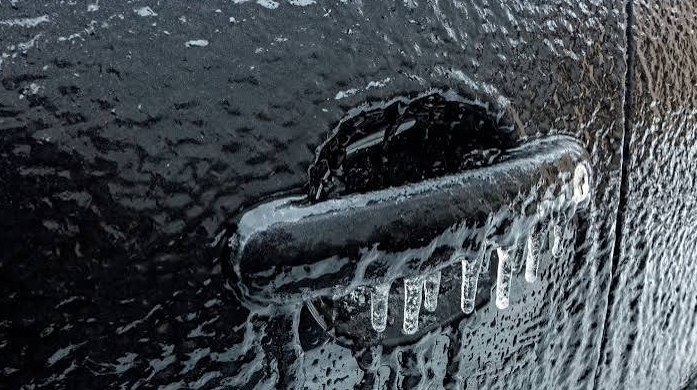
Door seals are made of rubber designed to compress and create a watertight barrier when the door closes. When moisture, from rain, melted snow, or condensation, sits on that rubber and then freezes, it can bond the seal to the door frame or body. The same thing can happen to the lock mechanism itself if water gets inside it and freezes.
Prevention Habits That Actually Work
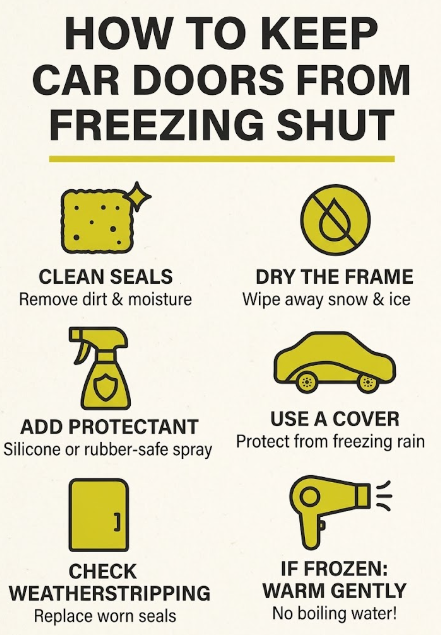
Apply a silicone-based lubricant or a rubber conditioner to door seals a few times through the winter; this repels water and keeps the rubber more flexible
Dry your doors, seals and locks after washing the car, especially if temperatures are dropping that day
Avoid parking with wet doors right before a hard overnight freeze whenever you can plan around it
Consider a lock de-icer spray or a can of compressed air to clear moisture from locks periodically
What to Do If a Door Is Already Frozen Shut
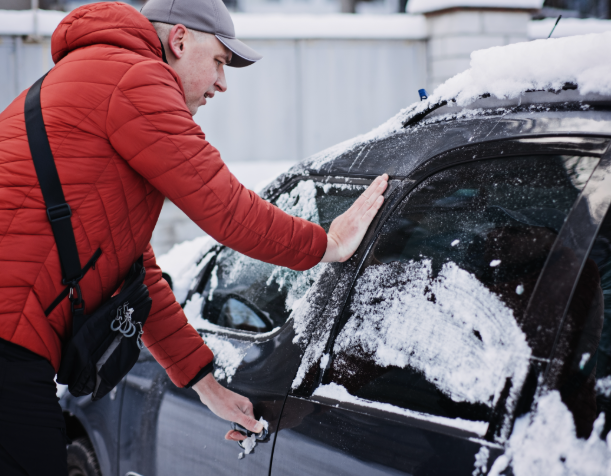
Try the other doors first — if one is frozen, others may not be, giving you access to the vehicle without force.
Pour lukewarm (not hot) water carefully along the seal line if you have access to some, then try the door again; hot water risks cracking cold glass nearby and isn't necessary.
Run the vehicle's heater with a door slightly ajar if you can get any door open, directing warm air toward the frozen seal from inside.
Use a plastic scraper or your gloved hand to gently break visible ice along the seal edge rather than pulling hard on the door handle.
Avoid slamming, kicking, or forcing the door repeatedly, which is the most common way a frozen seal actually tears.
What About Frozen Locks Specifically?
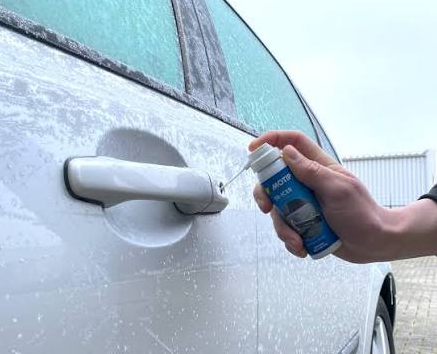
A lock that's frozen internally, rather than just a door sealed shut, needs a slightly different approach. A dedicated lock de-icer (a small aerosol product sold at most auto parts and hardware stores) sprayed directly into the keyhole is the most reliable fix. In a pinch, gently warming your key with a lighter (carefully, and only briefly) before inserting it can sometimes melt a small amount of ice inside a mechanical lock, though this only applies to physical key locks, not electronic fobs, and should be done cautiously.
Does This Affect Keyless and Push-Button Vehicles Too?
Vehicles with keyless entry can still experience frozen door seals even if there's no physical lock to freeze, since the seal-freezing issue is about the rubber gasket, not the locking mechanism. If your keyless vehicle won't unlock in the cold, it's more likely a frozen seal holding the door shut rather than a lock problem, and the same seal-freeing steps above apply.
Which Doors Freeze Most Often?
Doors that are used least frequently, often rear doors on a vehicle mostly driven by one or two people, tend to freeze more often simply because they're opened less and the seal has more uninterrupted time to bond to the frame. If you notice this pattern, opening and closing rarely-used doors briefly every week or two through the winter, even just to check, can help prevent a full freeze from setting in unnoticed.
Trunk and Hatch Seals Freeze Too
The same prevention and troubleshooting approach applies to trunk lids, hatchbacks and fuel doors, all of which have rubber seals that can freeze the same way door seals do. It's easy to focus only on the doors you use to enter the vehicle and forget the trunk seal until you need access to it during an emergency, which is exactly when a frozen trunk is most inconvenient.
When a Frozen Door Points to a Bigger Issue
Occasional frozen doors during a hard freeze are normal and not a sign anything is wrong with your vehicle. If a specific door freezes shut far more often than the others even with the same prevention routine, it's worth having the seal inspected, since a seal that's cracked, worn, or not sealing evenly can trap more moisture than a healthy one and may need replacement.
A Note on Patience
It's tempting to yank hard on a stuck handle when you're in a rush, but a few extra minutes using gentle heat or a de-icer, rather than force, almost always resolves a frozen door without any damage. A torn seal is a far more expensive and time-consuming problem than the few minutes it takes to free a frozen door properly.
Building This Into Your Winter Routine
A seal conditioning treatment once or twice through the season, alongside drying doors after washing, prevents most frozen-door situations before they happen. Pair this with the rest of your seasonal care in our winter car maintenance checklist and our guide on how often to wash your car in winter, since washing habits and door freezing are closely related.
Frequently Asked Questions
Will a car cover help prevent frozen doors?
It can help somewhat by reducing direct frost and ice buildup on the exterior, including around door seals, though it won't fully prevent freezing if moisture is already present on the seal before the cover goes on.
Is WD-40 a good substitute for a silicone lubricant on door seals?
Silicone-based products are generally better suited for rubber seals, since some petroleum-based lubricants can dry out or degrade rubber over repeated use. A product specifically labelled for rubber seals or weatherstripping is the safer choice.
How often should I condition my door seals through the winter?
Once every few weeks is a reasonable habit for most drivers, or after any wash or heavy rain followed by a forecasted freeze. Vehicles parked outside in harsher climates may benefit from slightly more frequent conditioning than those garaged overnight.
About the author
NorthGrip Admin
Editor-in-chief at NorthGrip Auto.
Stay Winter-Ready
Get more winter driving tips and car care guides in your inbox.
Read Next
How to Choose the Right Winter Car Battery
Not all car batteries handle Canadian winters equally well. Here's what to look for, including cold cranking amps, size and battery type.
How Often Should You Wash Your Car in Winter?
How often should you wash your car in winter? Here's a practical schedule for Canadian drivers dealing with road salt and slush.
What Car Problems Are More Common in Winter?
From dead batteries to frozen locks, here are the car problems that become more common in winter, and links to fix or prevent each one.