
What Fluids Does Your Car Need in Winter? Antifreeze, Washer Fluid and More
Winter car fluids matter more than most drivers realize. Here's what to check, top up, or switch before the temperature drops.
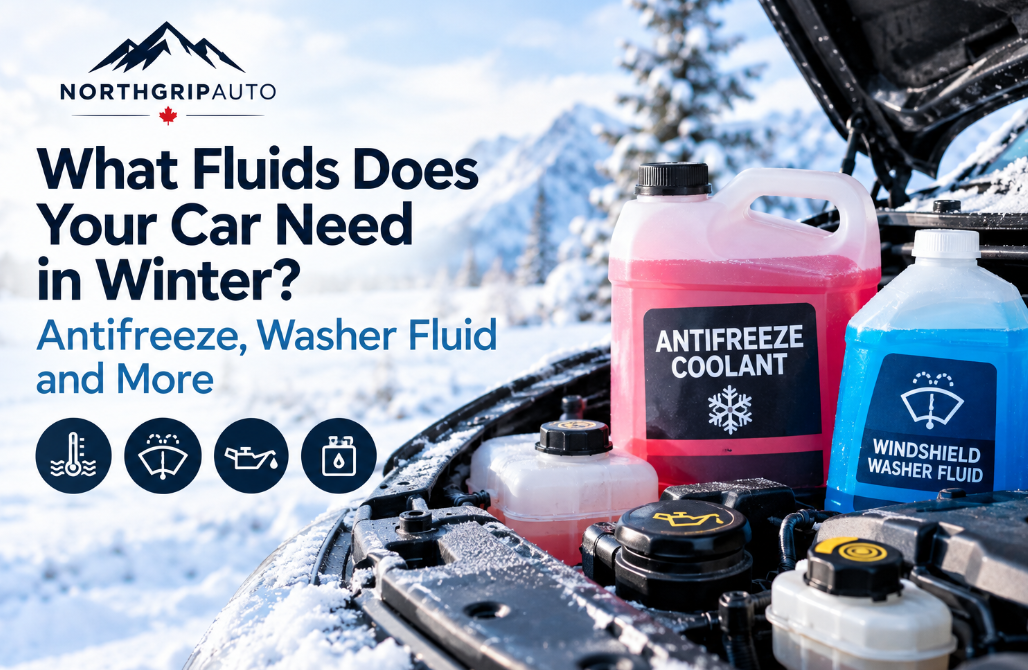
Every fluid in your vehicle behaves differently in the cold, and several of them need specific winter-grade formulations to keep working the way you expect. Checking and topping up these winter car fluids is one of the fastest, cheapest parts of preparing your vehicle for the season.
Engine Oil: Why Viscosity Matters in the Cold
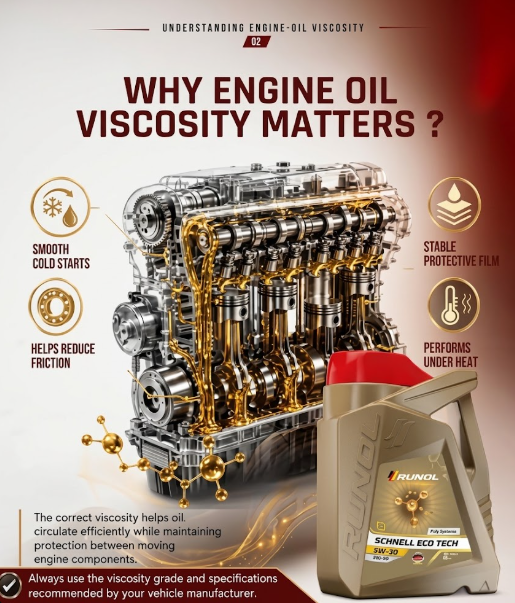
Engine oil thickens as temperatures drop, and very cold, thick oil makes the engine work harder to circulate it, particularly during the first few minutes after a cold start. Many manufacturers recommend a thinner winter-weight oil (such as 0W-20 instead of 5W-30) for climates with harsh winters — check your owner's manual for your vehicle's approved range.
Coolant / Antifreeze Ratio
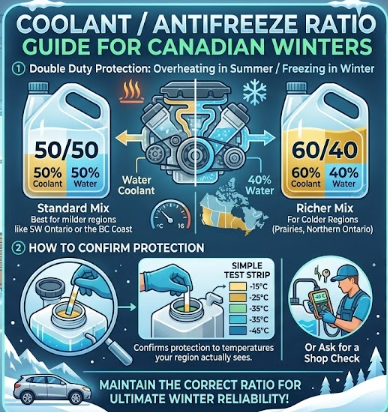
Coolant does double duty, preventing your engine from overheating in summer and preventing it from freezing in winter. A 50/50 mix of coolant and water is standard, but colder regions like the Prairies or Northern Ontario may benefit from a richer 60/40 mix rated for lower temperatures. A simple test strip or a shop check can confirm your coolant is still protecting to the temperatures your region actually sees.
Windshield Washer Fluid
Regular washer fluid can freeze solid on contact with a cold windshield, sometimes freezing the reservoir or lines too. Switch to a winter-grade fluid rated for at least -40°C before the first hard frost, and pair it with the right blades using our guide on choosing winter windshield wipers.
Brake Fluid
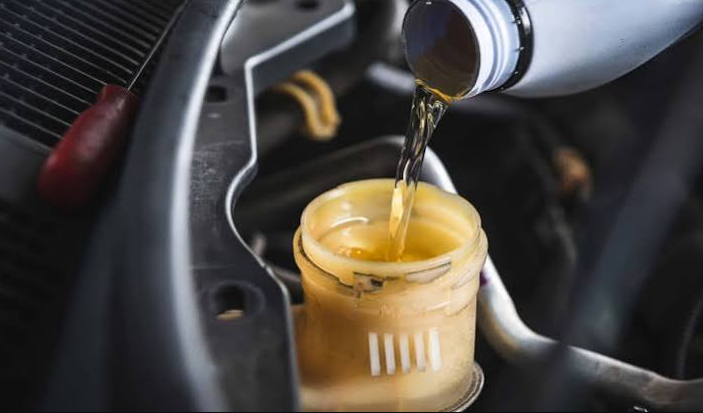
Brake fluid is hygroscopic, meaning it absorbs moisture from the air over time, which lowers its boiling point and can introduce corrosion into the brake system. Most manufacturers recommend a brake fluid flush every two to three years; if you're not sure when yours was last done, ask your mechanic to check it during a winter service visit.
Transmission and Differential Fluid
Transmission fluid, like engine oil, thickens in extreme cold, which can cause sluggish or delayed shifting for the first few minutes of a cold-weather drive. This is normal to a point, but persistent harsh or delayed shifting even after the vehicle has warmed up is worth having checked, since old or degraded fluid performs worse in the cold.
Power Steering Fluid
Cold, thickened power steering fluid can make your steering feel heavier than usual for the first minute or two of a drive. Check your power steering fluid level as part of your regular maintenance, since a low level combined with cold thickening can strain the power steering pump.
Winter Fluid Checklist
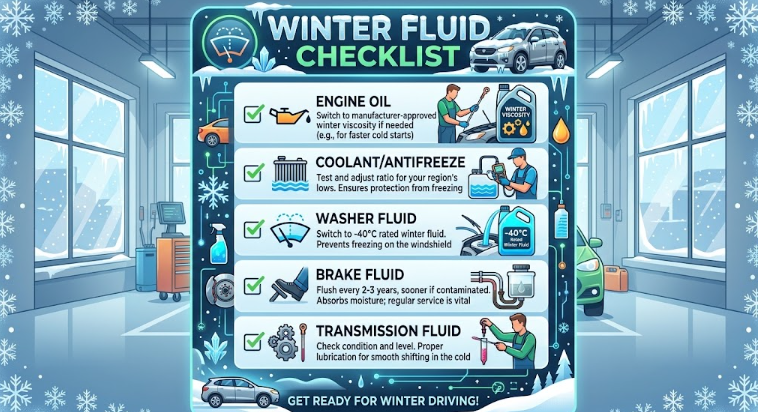
Fluid | What to Do Before Winter |
|---|---|
Engine oil | Switch to manufacturer-approved winter viscosity if needed |
Coolant/antifreeze | Test and adjust ratio for your region's lows |
Washer fluid | Switch to -40°C rated winter fluid |
Brake fluid | Flush every 2-3 years, sooner if contaminated |
Transmission fluid | Check condition and level |
For the full seasonal checklist beyond fluids, see our guide on preparing your car for a Canadian winter, and if your car has ever struggled to start on a cold morning, our guide on why cars won't start in cold weather explains how fluids factor into that too.
Frequently Asked Questions
Can I mix different brands of coolant?
It's best to avoid mixing coolant types and brands unless the packaging specifically confirms compatibility, since some formulations can react poorly together and reduce corrosion protection.
How do I know if my washer fluid is winter-rated?
Check the temperature rating printed on the jug — look specifically for a rating of -40°C or lower rather than a generic "winter" label, since some products are only rated to around -20°C.
About the author
NorthGrip Admin
Editor-in-chief at NorthGrip Auto.
Stay Winter-Ready
Get more winter driving tips and car care guides in your inbox.
Read Next
How to Choose the Right Winter Car Battery
Not all car batteries handle Canadian winters equally well. Here's what to look for, including cold cranking amps, size and battery type.
How to Prevent Your Car Doors From Freezing Shut
Frozen car doors are a common winter problem. Here's how to prevent your doors, locks and seals from freezing shut before it happens.
How Often Should You Wash Your Car in Winter?
How often should you wash your car in winter? Here's a practical schedule for Canadian drivers dealing with road salt and slush.