
How to Protect Your Car From Road Salt
Road salt keeps Canadian roads safe but wreaks havoc on your car's undercarriage. Here's how to minimize the damage.
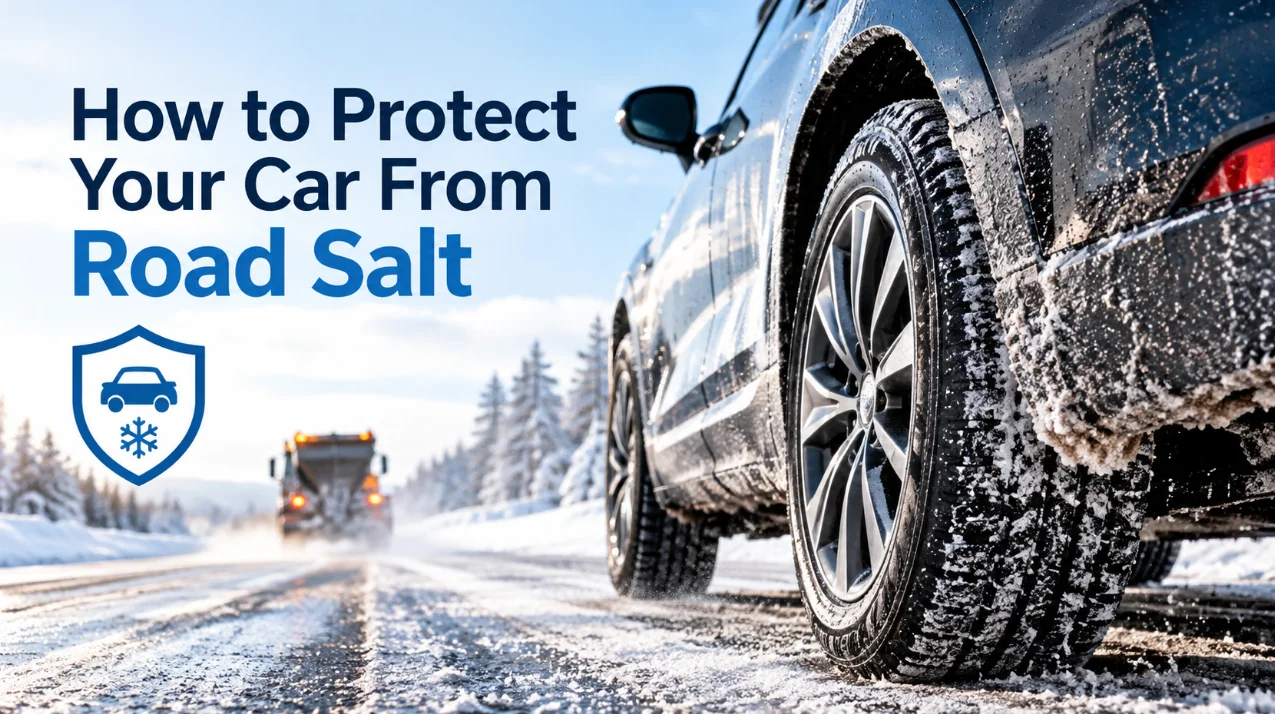
Road salt (and the sand/brine mixtures used alongside it) is essential for keeping Canadian highways passable in winter, but it's also one of the most corrosive substances your vehicle will encounter all year. Salt lowers the freezing point of water so it can seep into every seam, joint and crack on your car's underside, then accelerates the oxidation that turns steel into rust. Left unmanaged over several winters, this is what causes frames, brake lines and exhaust systems to fail years before they should.
Wash Regularly
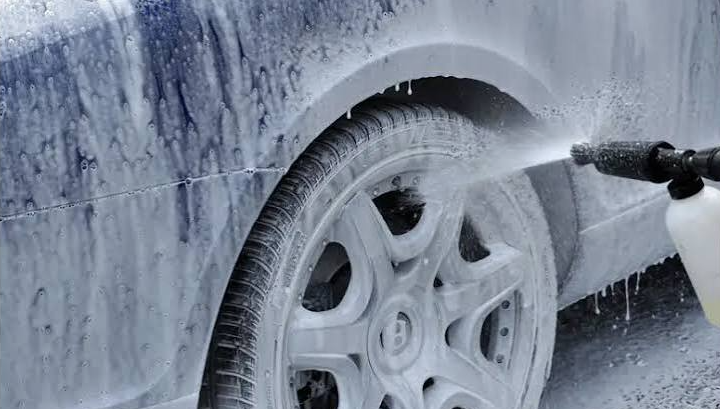
Wash your car, especially the undercarriage, every one to two weeks during winter, focusing on wheel wells, the frame and the rocker panels where salt spray accumulates. Many self-serve car washes and quick-lube shops offer an "undercarriage" or "underbody" spray specifically for this — use it every time, even on a quick wash. Try to wash on a day when temperatures are above freezing so water doesn't refreeze into new ice on your vehicle.
Apply Rust Protection
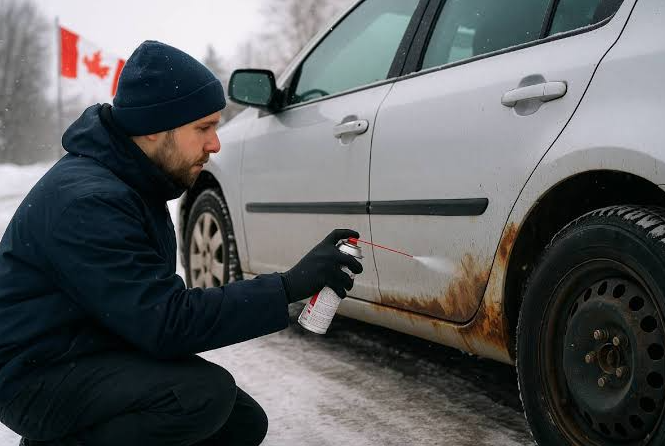
An annual undercoating or rust-proofing treatment creates a protective barrier between bare metal and road salt. Options range from traditional oil-based sprays to newer electronic rust-protection systems; either is significantly better than no protection at all, especially once a vehicle passes the five-year mark.
Fix Paint Chips Promptly
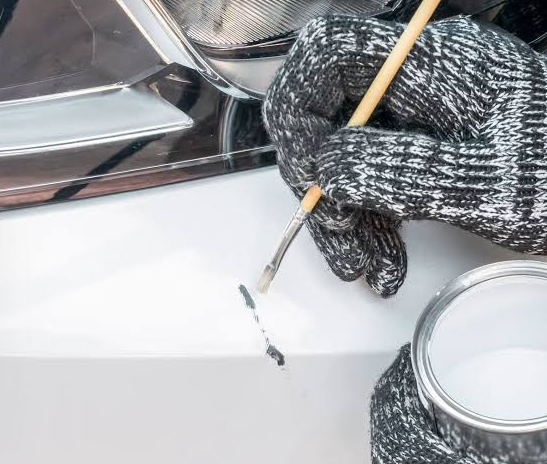
A small stone chip might seem cosmetic, but exposed metal rusts quickly once road salt gets into the crack, and that rust can spread under the surrounding paint. Touch up chips with a manufacturer-matched paint pen before winter starts, and check your vehicle's lower doors and rocker panels periodically through the season for new damage.
Dry Your Car After Washing
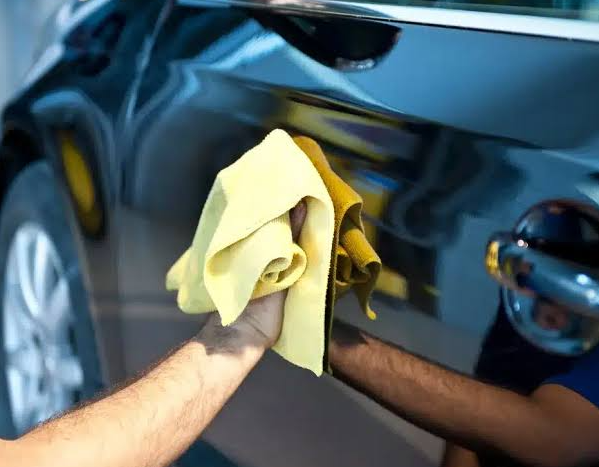
Water can refreeze in door seals, locks and brake components within minutes in extreme cold. After washing, dry door jambs and locks, and consider a quick blast of compressed air or a silicone-based lubricant on door seals to prevent them from freezing shut overnight.
Watch Your Brake Lines and Exhaust
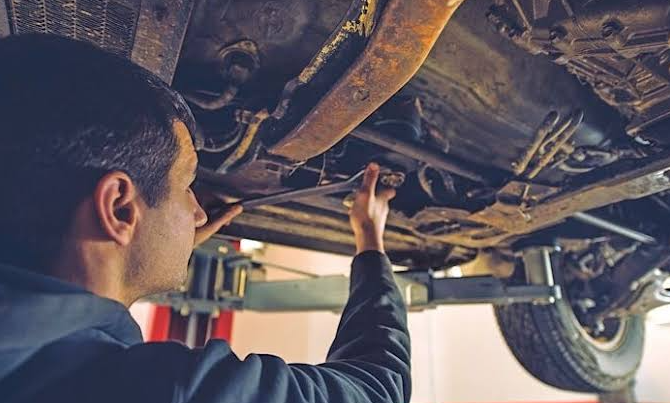
Brake lines and exhaust systems are often the first components to fail from years of salt exposure, since they sit low and are constantly sprayed with road grime. Have them visually inspected during your regular oil changes, and mention any new rattling, vibration, or a spongy brake pedal to your mechanic right away.
Frequently Asked Questions
Does road salt affect my car's exterior paint too?
It can, particularly on horizontal surfaces like the hood and roof where salty slush is thrown up by other vehicles. Regular washing and an annual wax or ceramic coating help protect clear coat from long-term staining and etching.
Is it worth washing my car if it's just going to get salty again the next day?
Yes. The goal isn't to keep the car spotless, it's to prevent salt from sitting on metal surfaces for weeks at a time. Even a quick undercarriage rinse every week or two meaningfully slows corrosion, and pairs well with the rest of the maintenance routine in our guide on preparing your car for a Canadian winter.
About the author
NorthGrip Admin
Editor-in-chief at NorthGrip Auto.
Stay Winter-Ready
Get more winter driving tips and car care guides in your inbox.
Read Next
How to Choose the Right Winter Car Battery
Not all car batteries handle Canadian winters equally well. Here's what to look for, including cold cranking amps, size and battery type.
How to Prevent Your Car Doors From Freezing Shut
Frozen car doors are a common winter problem. Here's how to prevent your doors, locks and seals from freezing shut before it happens.
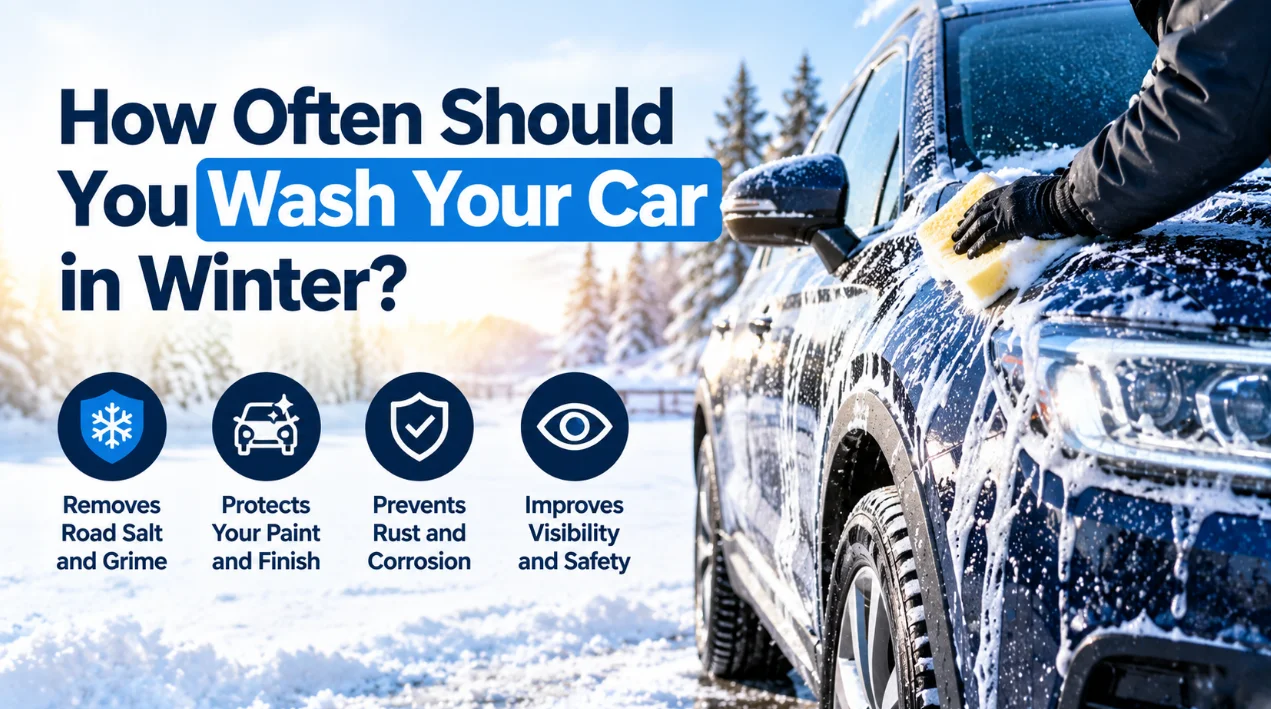
How Often Should You Wash Your Car in Winter?
How often should you wash your car in winter? Here's a practical schedule for Canadian drivers dealing with road salt and slush.