
How to Protect Your Car's Undercarriage in Winter
Your car's undercarriage takes the worst of winter's road salt and slush. Here's how to protect the frame, brake lines and exhaust from damage.
Protecting your car's undercarriage in winter mainly comes down to two habits: washing the underbody regularly to rinse off road salt before it sits for weeks, and applying a rustproofing treatment that creates a barrier between bare metal and the salt, slush and moisture the underbody is constantly exposed to. Together, these two steps address most of the damage winter roads can cause underneath your vehicle.
The undercarriage, including the frame, exhaust system, brake lines and suspension components, takes far more punishment than the parts of the car you see every day. It's also the area most drivers check least often, which is exactly why winter-related corrosion tends to start there.
Why the Undercarriage Is So Exposed
Every time you drive on a salted road, spray from your own tires and the vehicles around you coats the underbody in a mix of salt, sand and slush. Unlike the painted body panels, many underbody components are bare or lightly coated metal, with far less protection against the corrosion that salt accelerates.
Washing the Undercarriage
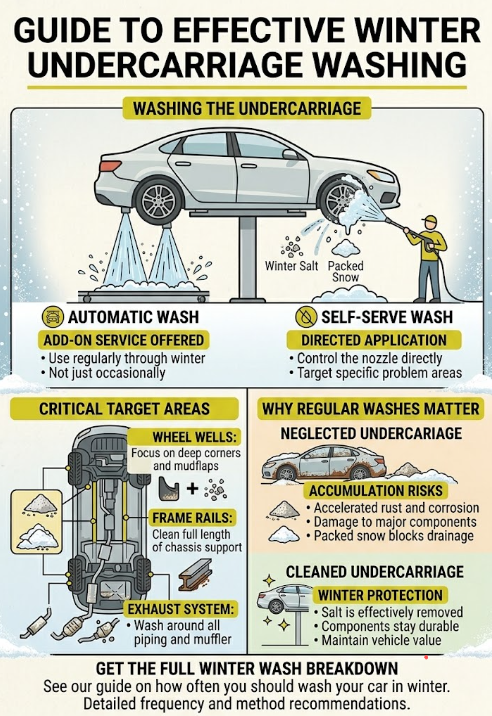
Many self-serve and automatic car washes offer an "undercarriage" or "underbody" spray as an add-on — use it regularly through the winter, not just occasionally. Focus on wheel wells, the frame rails, and the area around the exhaust, where salt and packed snow tend to accumulate most. For a full breakdown of how often to wash and why, see our guide on how often you should wash your car in winter.
Rustproofing Options
Method | How It Works |
|---|---|
Oil-based spray | Coats metal in a self-healing oil film; typically reapplied annually |
Undercoating (tar or rubber-based) | Forms a thicker, more permanent protective barrier |
Electronic rust protection | Uses a low electrical current to slow the corrosion process |
Each option has trade-offs in cost, maintenance and effectiveness. Our deeper dive into preventing rust and corrosion from road salt compares these methods in more detail, including how they interact with regular washing.
What to Inspect Underneath
Visible surface rust on the frame or suspension components
Bubbling paint or coating along the lower body edges
Any new rattling, vibration, or exhaust noise, which can sometimes point to corrosion-related wear
Brake line condition, ideally checked as part of a regular brake inspection since they're thin-walled and vulnerable
A once-a-season underneath inspection, ideally in spring after the salt season ends, is enough to catch most issues before they become expensive.
Newer Vehicles vs. Older Vehicles
Modern vehicles generally use more corrosion-resistant materials and coatings than vehicles from a couple of decades ago, which has reduced how often severe underbody rust shows up on newer cars. That said, "more resistant" doesn't mean "immune," and a newer vehicle driven daily through several Canadian winters without any protection or washing can still develop meaningful corrosion over its lifetime. Older vehicles, or ones with existing surface rust, generally benefit the most from active rustproofing and more frequent inspection, since corrosion tends to spread faster once it has already started on a given area.
Does Where You Park Matter?
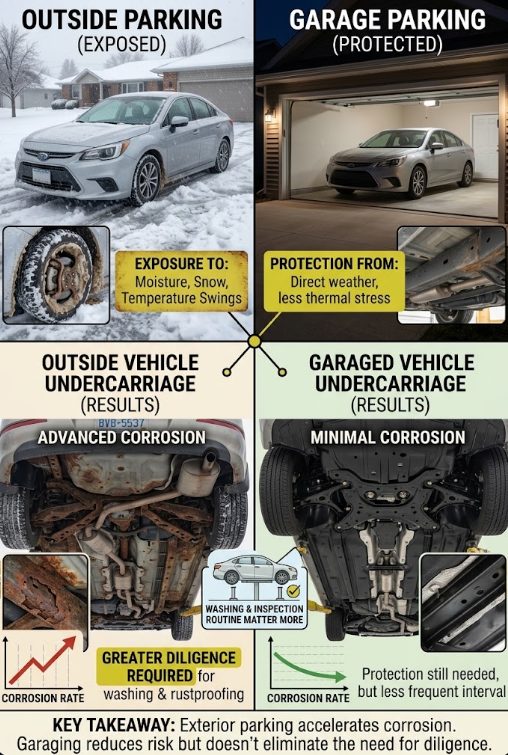
Vehicles parked outside are exposed to more moisture, snow and temperature swings than those parked in a garage, all of which play a role in how quickly corrosion can develop. If you park outside regularly, undercarriage washing and rustproofing matter more for you than for someone who garages their vehicle every night. This isn't a reason to skip protection if you park outside — it's a reason to be more diligent about the washing and inspection routine described above.
Signs the Damage Has Progressed Too Far to Ignore
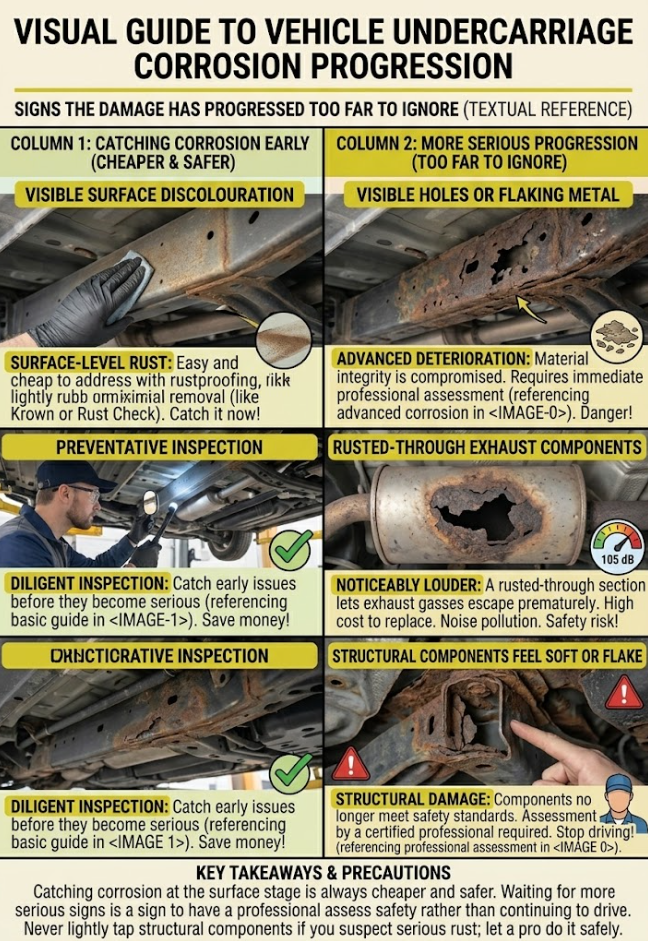
Visible holes or flaking metal, rather than just surface discolouration
A muffler or exhaust pipe that's noticeably louder than before, which can indicate a rusted-through section
Structural components that feel soft or flake when lightly tapped, which is a sign to have a professional assess the vehicle's safety rather than continuing to drive it
Catching corrosion at the surface stage, rather than waiting for these more serious signs, is always the cheaper and safer outcome.
Does Vehicle Age Affect Which Rustproofing Method to Choose?
Newer vehicles with no existing corrosion are good candidates for any of the rustproofing methods described above, since the goal is purely preventive. Vehicles with some existing surface rust often do better with an oil-based spray, which can penetrate seams and joints where rust has already started, compared to a coating designed mainly to prevent new corrosion from beginning. If a vehicle already has significant rust, a mechanic or rust-proofing specialist can advise whether treatment is still worthwhile or whether the damage is too advanced to meaningfully slow down.
Does Rustproofing Affect Resale Value?
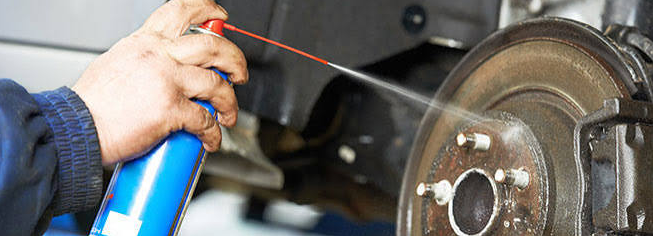
A documented history of regular rustproofing and undercarriage care can be a genuine selling point on a used vehicle, particularly in regions where road salt use is heavy and buyers are often specifically wary of underbody corrosion. Keeping receipts or records of when treatments were applied is a simple way to demonstrate this history if you plan to sell the vehicle down the road.
Common Mistakes to Avoid
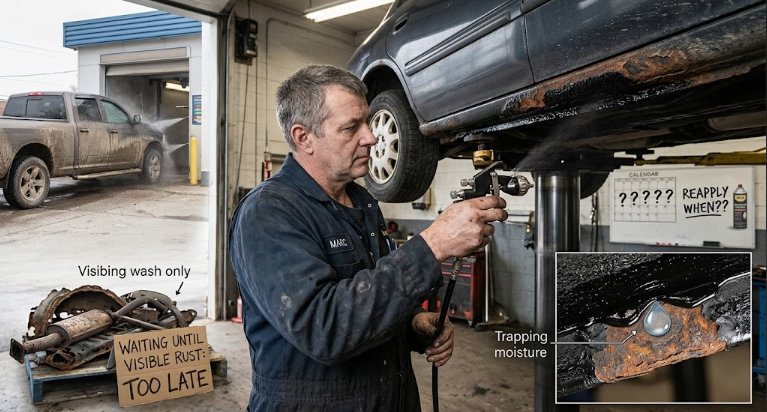
Applying a rustproofing treatment over an area that's already actively rusting without cleaning or treating the rust first, which can trap moisture underneath
Assuming a single treatment lasts indefinitely; most methods have a recommended reapplication schedule
Only washing the visible body of the vehicle and skipping the undercarriage rinse, which is where salt does the most damage
Waiting until visible rust appears before starting any protection, rather than treating it as preventive maintenance from the start
A Simple Seasonal Routine
Wash the undercarriage regularly through winter, apply or renew a rustproofing treatment before the season starts, and do a visual inspection once conditions ease up in spring. Combine this with the general salt-protection habits in our guide on protecting your car from road salt for complete coverage of both the visible body and the undercarriage.
Frequently Asked Questions
Does rustproofing completely stop corrosion?
No treatment eliminates corrosion entirely, but a good rustproofing routine combined with regular washing meaningfully slows it down compared to no protection at all, especially on vehicles kept for many years.
Is undercarriage protection more important for older vehicles?
Older vehicles with existing wear or prior corrosion generally benefit more from active protection and more frequent inspection, since rust that's already started tends to progress faster than on bare, undamaged metal.
About the author
NorthGrip Admin
Editor-in-chief at NorthGrip Auto.
Stay Winter-Ready
Get more winter driving tips and car care guides in your inbox.
Read Next

How to Choose the Right Winter Car Battery
Not all car batteries handle Canadian winters equally well. Here's what to look for, including cold cranking amps, size and battery type.
How to Prevent Your Car Doors From Freezing Shut
Frozen car doors are a common winter problem. Here's how to prevent your doors, locks and seals from freezing shut before it happens.
How Often Should You Wash Your Car in Winter?
How often should you wash your car in winter? Here's a practical schedule for Canadian drivers dealing with road salt and slush.