
When Should You Change Your Engine Oil in Winter?
Wondering when to change your engine oil in winter? Here's how cold weather affects oil life and how to know it's time for a change.
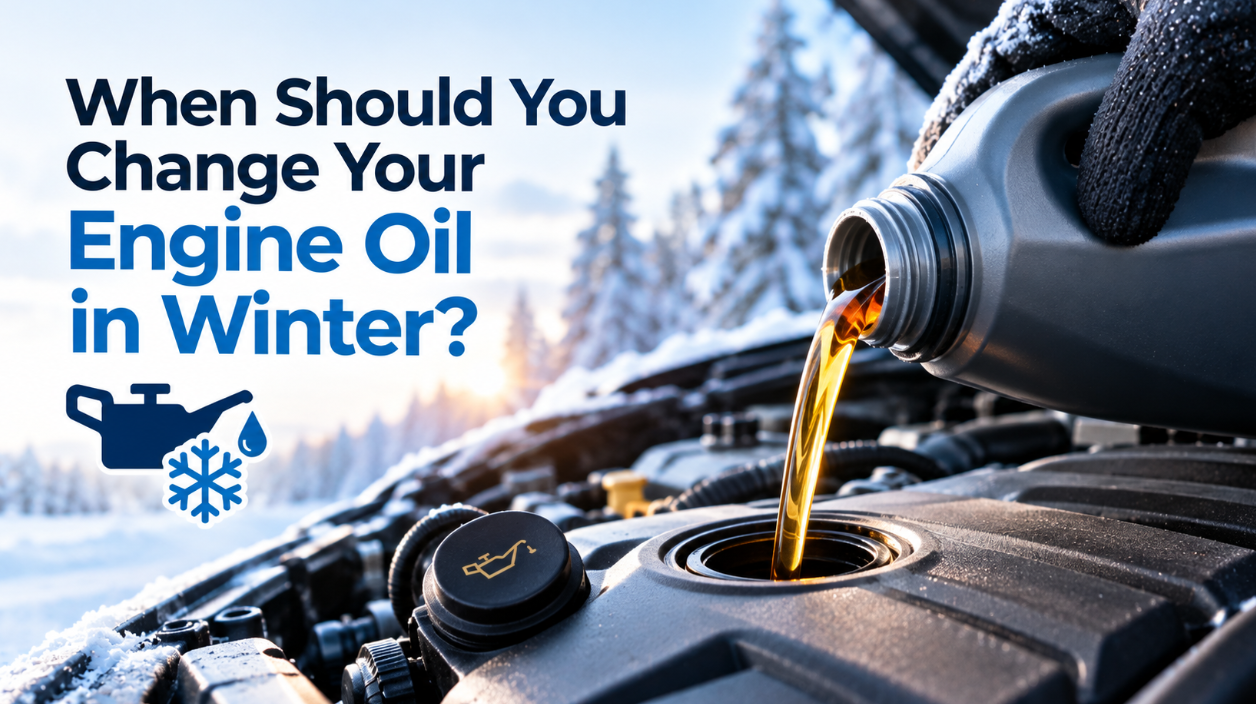
There's no separate "winter" oil change schedule that applies to every vehicle — the right timing depends on your manufacturer's recommended interval, your driving habits, and the oil type in use. That said, cold weather driving, especially frequent short trips, can wear out oil faster than the same mileage in milder conditions, which is worth factoring in before winter settles in.
Many drivers time an oil change for early autumn, right before winter driving conditions begin, so the engine starts the season with fresh oil at full protection. Here's how to think through the timing for your specific situation.
Start With Your Manufacturer's Recommended Interval
Your owner's manual specifies a recommended oil change interval, often based on distance, time, or both, and sometimes with a shorter interval listed for "severe" driving conditions. Many manufacturers classify frequent short trips, extended idling, and extreme temperatures as severe conditions — all of which are common in a Canadian winter. If your manual lists a severe-service interval, winter driving conditions may qualify.
Why Winter Driving Can Be Harder on Oil
Short trips don't give the engine enough time to reach full operating temperature, which can let condensation and unburned fuel mix into the oil
Extended idling to warm up the cabin adds engine hours without adding much distance
Cold starts are the most stressful moment for an engine, and they happen more often in winter
None of this means you need to change your oil dramatically more often, but it's part of why some manufacturers recommend shorter intervals for drivers who mostly do short, cold-weather trips.
Signs Your Oil Needs Changing Sooner Rather Than Later
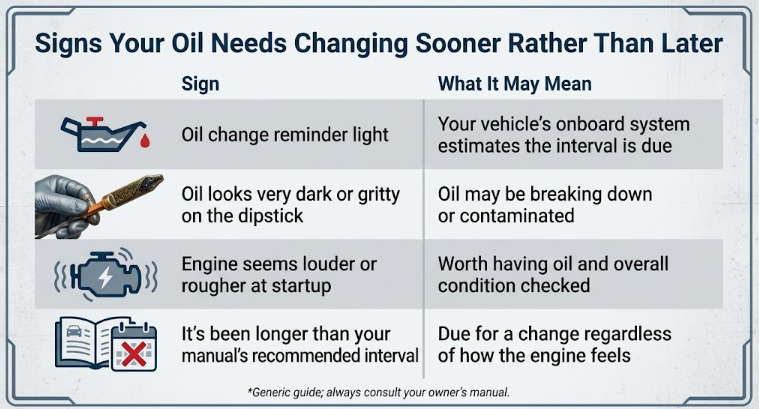
Sign | What It May Mean |
|---|---|
Oil change reminder light | Your vehicle's onboard system estimates the interval is due |
Oil looks very dark or gritty on the dipstick | Oil may be breaking down or contaminated |
Engine seems louder or rougher at startup | Worth having oil and overall condition checked |
It's been longer than your manual's recommended interval | Due for a change regardless of how the engine feels |
Should You Time It Specifically Before Winter?
If your regular interval happens to fall in autumn, that's a convenient and sensible time to change it, so you start the season with fresh oil. If your interval isn't due yet, there's usually no need to change it early purely because winter is coming — focus instead on checking the level and condition regularly, as covered in our monthly winter maintenance checklist.
Choosing the Right Oil for Winter
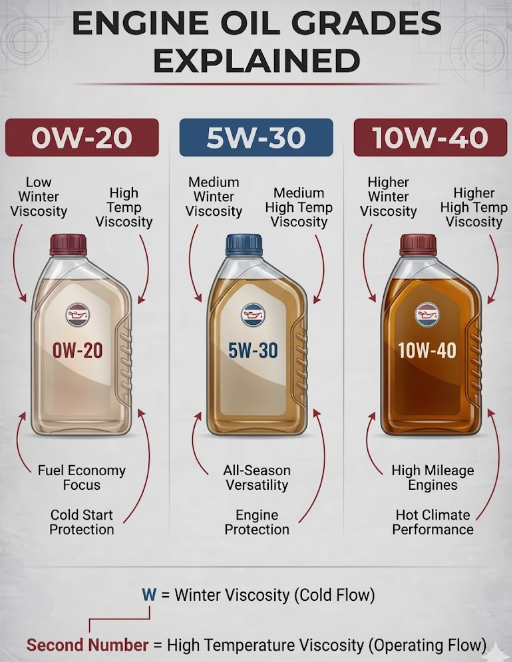
Beyond timing, the oil's viscosity grade matters in cold weather. See our explainer on how cold weather affects engine oil for what those numbers on the bottle mean and whether a different grade is worth discussing with your mechanic for your climate.
What an Oil Change Actually Involves
A standard oil change includes draining the old oil, replacing the oil filter, and refilling with fresh oil of the correct grade and quantity. Many shops also do a basic visual check of other fluids and belts while the vehicle is up on a hoist, which can be a convenient time to catch an unrelated issue, like a coolant leak or worn belt, before it becomes a bigger problem heading into winter.
Cost Considerations
Oil change costs vary by region, oil type (conventional versus synthetic) and vehicle. Sticking to your manufacturer's recommended interval, rather than changing much more often than necessary, is the most cost-effective approach for most drivers. At the same time, skipping or significantly delaying a change to save money can lead to more expensive engine wear over time, so it's worth treating the interval as a guideline to follow rather than a target to stretch as far as possible.
Can You Change Your Own Oil in Winter?

Changing your own oil is a common DIY task, but doing it outdoors in freezing temperatures adds some real challenges: cold oil drains more slowly, and working under a vehicle on icy ground carries obvious safety risks. If you don't have access to a garage or covered space, many drivers find it more practical to have oil changes done at a shop during the coldest months, and handle DIY changes during milder parts of the year when conditions allow.
Does Mileage or Time Matter More?
Most manufacturer intervals are expressed as a distance, a time period, or both, whichever comes first. For drivers who put on a lot of highway kilometres, the distance limit is usually reached first. For drivers who mostly do short local trips, especially in winter with extra idling, the time-based limit often arrives before the distance-based one, since oil still ages and can pick up contaminants even during low-mileage driving. If you're not sure which applies to your situation, the safer approach is to track both and follow whichever limit comes first.
What If You're Not Sure When Your Last Oil Change Was?
Many vehicles have an oil life monitoring system that estimates remaining oil life based on driving conditions and will alert you on the dashboard when a change is due. If your vehicle doesn't have this feature, or you're buying a used vehicle without a clear service history, a fresh oil change is a reasonable and inexpensive way to start with a known baseline, especially before winter driving begins.
Keeping Track Going Forward
Once you've had an oil change, a simple way to stay on top of the next one is to note the date and odometer reading somewhere you'll actually see again, a phone note, a sticker on the windshield some shops provide, or a reminder in your calendar set for a few weeks before the interval is likely due. This small habit avoids both extremes: changing oil more often than necessary, and accidentally letting an interval slip by well past when it was due, which is easy to do during a busy winter.
Frequently Asked Questions
Does idling to warm up the car count toward my oil change interval?
Yes, most interval tracking is based on engine hours and mileage combined, so extended idling does use up some of that interval even without covering distance.
Is synthetic oil better for winter?
Full synthetic oils generally flow better in cold temperatures than conventional oils of the same viscosity grade, which is one reason many manufacturers now specify synthetic oil as standard. Check your owner's manual for what's approved for your engine.
About the author
NorthGrip Admin
Editor-in-chief at NorthGrip Auto.
Stay Winter-Ready
Get more winter driving tips and car care guides in your inbox.
Read Next
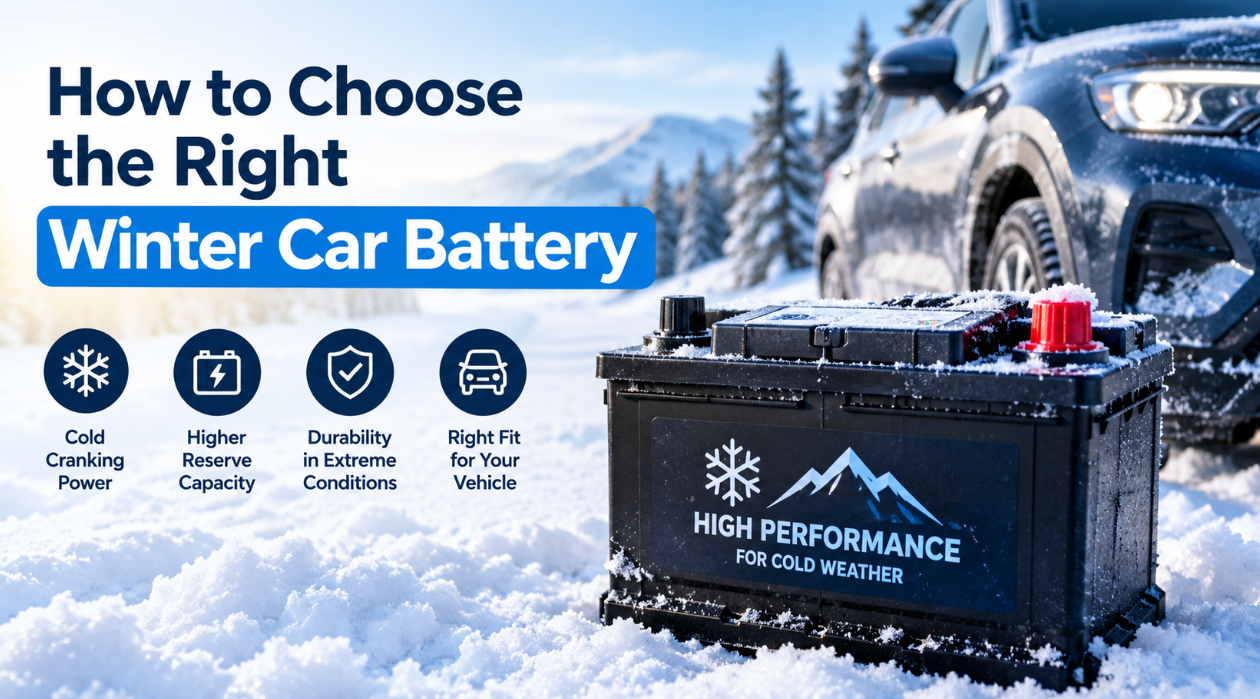
How to Choose the Right Winter Car Battery
Not all car batteries handle Canadian winters equally well. Here's what to look for, including cold cranking amps, size and battery type.
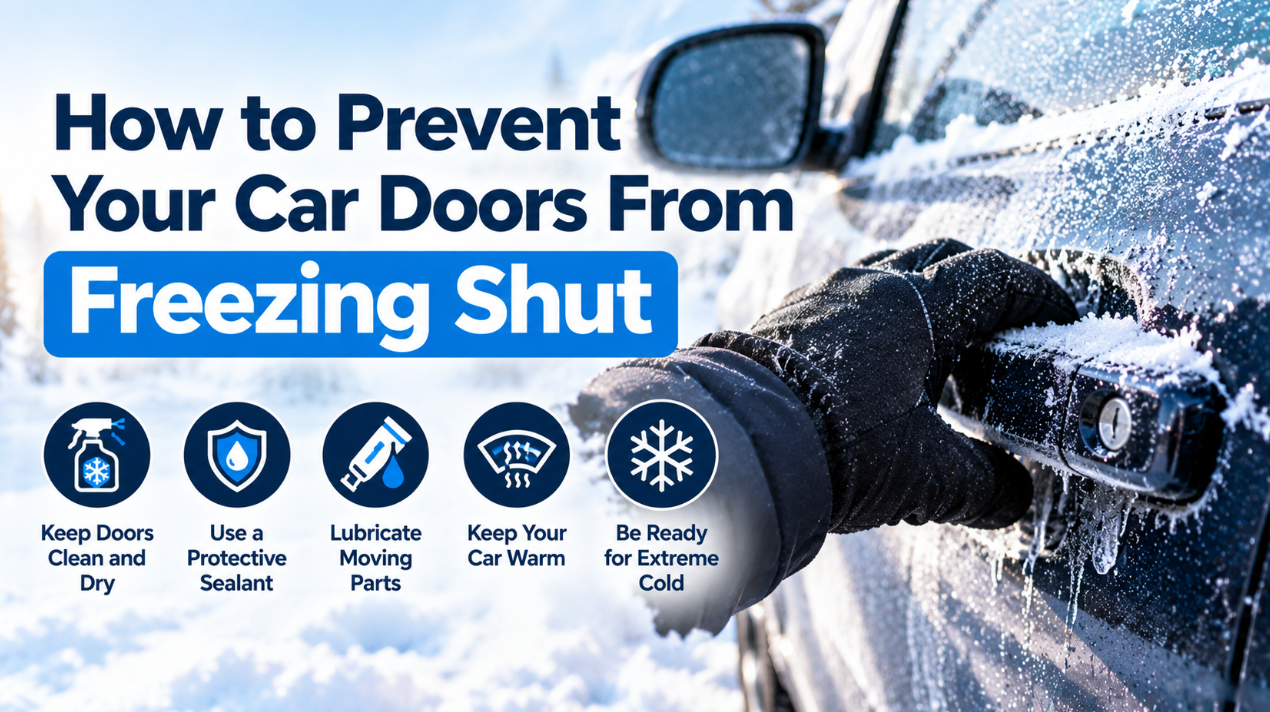
How to Prevent Your Car Doors From Freezing Shut
Frozen car doors are a common winter problem. Here's how to prevent your doors, locks and seals from freezing shut before it happens.

How Often Should You Wash Your Car in Winter?
How often should you wash your car in winter? Here's a practical schedule for Canadian drivers dealing with road salt and slush.