
Why Your Car Won't Start in Cold Weather: Common Causes and Solutions
Car won't start in cold weather? Here are the most common causes, from a weak battery to thick oil, and exactly how to fix and prevent them.
Few things are more frustrating on a Canadian winter morning than turning the key, or pressing the start button, and hearing nothing but a click — or nothing at all. A car that won't start in cold weather is one of the most common calls tow truck operators get once temperatures drop below -15°C. The good news is that the causes are well understood, and most of them are preventable with a bit of pre-winter maintenance.
The Most Common Cause: A Weak or Dead Battery
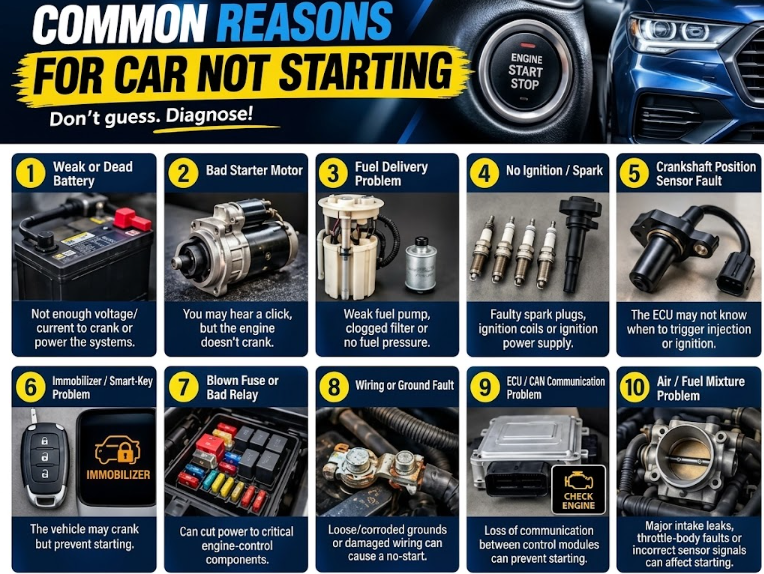
The vast majority of cold-weather no-starts come down to the battery. Cold slows the chemical reaction that produces electricity, and a battery that's already weakened by age can lose up to half its cranking power at -18°C, right when the engine needs more power than usual to turn over. If you hear rapid clicking or the dashboard lights dim sharply when you try to start the car, the battery is almost always the culprit. Our full explainer on how cold weather affects your car battery covers the science and how to test yours before it fails.
Thickened Engine Oil
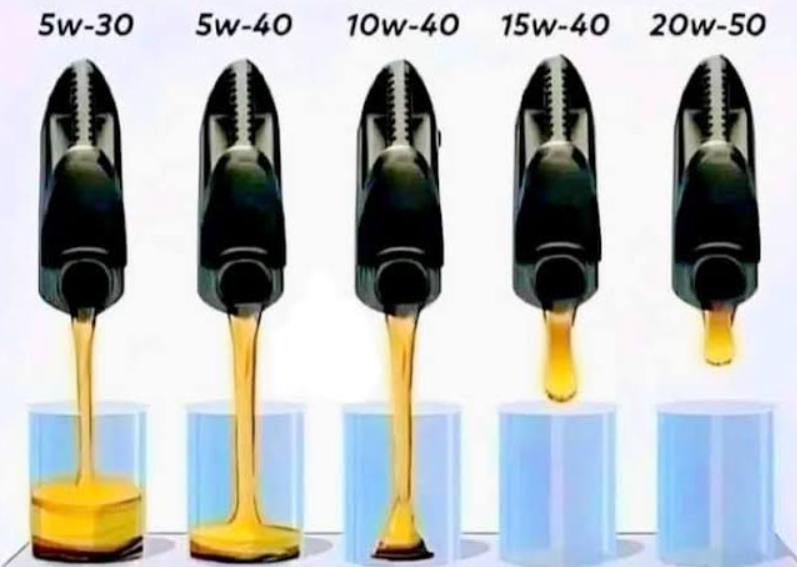
Engine oil naturally thickens as temperatures drop, and very cold, thick oil creates extra resistance for the starter motor to overcome while circulating poorly through the engine. If you're using a summer-weight oil (like 5W-30) through a harsh winter, switching to a thinner winter-grade oil (such as 0W-20, as recommended by your owner's manual) can make cold starts noticeably easier on both the starter and the battery.
A Failing Starter Motor
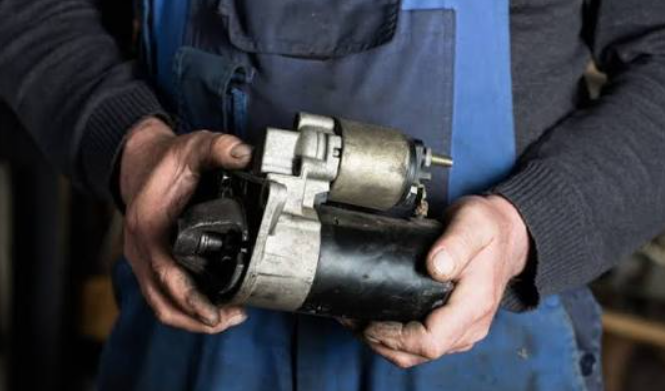
The starter motor itself can struggle in extreme cold, especially if it's already showing signs of wear. A single loud clunk followed by silence, rather than a cranking sound, often points to a starter issue rather than a battery problem. Because starters work harder in the cold, marginal ones tend to fail in winter even if they were limping along fine all summer.
Fuel System Issues in Extreme Cold
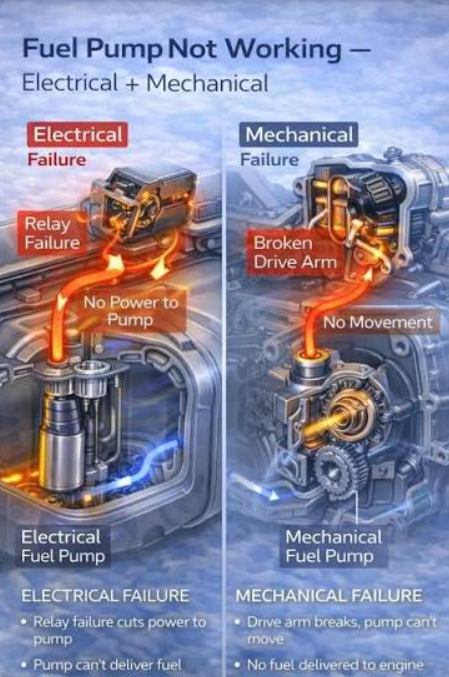
Gasoline itself doesn't freeze at typical Canadian winter temperatures, but water condensation inside the fuel line or tank can, blocking fuel flow. Diesel vehicles face an additional risk called "fuel gelling," where paraffin wax in the fuel thickens in extreme cold unless winter-blend diesel or an additive is used. Keeping your tank at least half full, as recommended in our winter car safety tips, reduces the space available for condensation to form.
Spark Plug and Ignition Problems
Worn spark plugs that were still generating just enough spark in warm weather can fail to ignite the air-fuel mixture reliably once cold, thick air and a weaker battery are added to the equation. If your car has been slow to start for weeks and the battery has already tested fine, aging spark plugs or ignition coils are worth checking.
What to Do If Your Car Won't Start Right Now
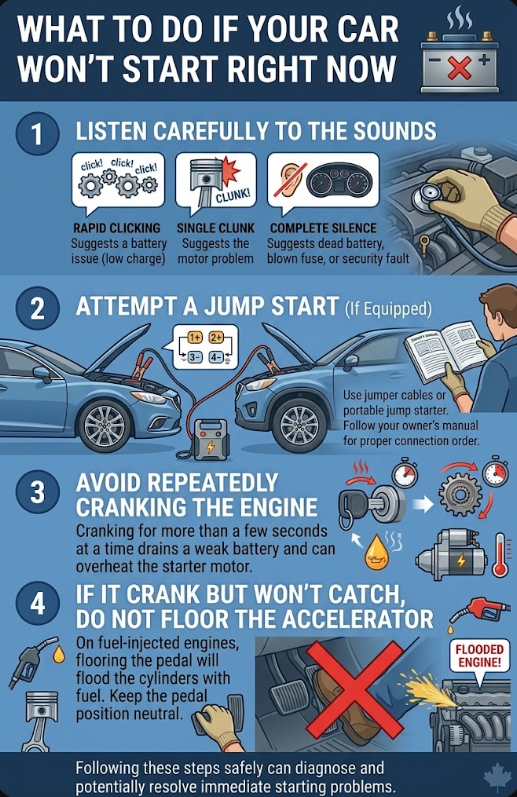
Listen carefully: rapid clicking suggests a battery issue, a single clunk suggests the starter, and complete silence suggests a dead battery, blown fuse, or security system fault.
If you have jumper cables or a portable jump starter, attempt a jump start following your vehicle's manual.
Avoid repeatedly cranking the engine for more than a few seconds at a time, since this can further drain a weak battery or overheat the starter.
If the car cranks but won't catch, avoid flooring the accelerator, which can flood a fuel-injected engine.
How to Prevent Cold-Weather No-Starts
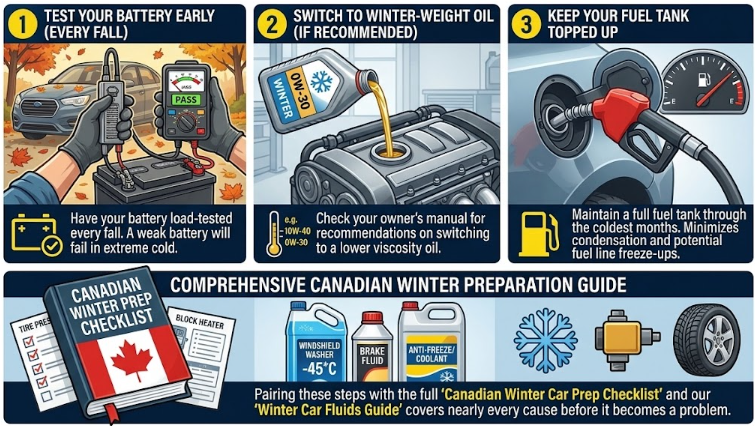
Have your battery load-tested every fall, switch to winter-weight oil if recommended for your climate, and keep your fuel tank topped up through the coldest months. Pairing these steps with the rest of the checklist in our guide on preparing your car for a Canadian winter, along with the fluid-specific advice in our winter car fluids guide, covers nearly every cause on this list before it becomes a problem.
Frequently Asked Questions
Will an engine block heater help my car start in extreme cold?
Yes. A block heater keeps the engine oil and coolant warmer overnight, which reduces strain on both the battery and starter motor and is standard equipment in many northern and Prairie communities.
How long can I leave my car without driving it in winter before the battery dies?
It varies by battery age and vehicle, but as a rule of thumb, avoid leaving a car unused for more than one to two weeks in extreme cold without starting it, since parasitic electrical draw combines with cold to drain the battery faster than in warmer months.
About the author
NorthGrip Admin
Editor-in-chief at NorthGrip Auto.
Stay Winter-Ready
Get more winter driving tips and car care guides in your inbox.
Read Next
How to Choose the Right Winter Car Battery
Not all car batteries handle Canadian winters equally well. Here's what to look for, including cold cranking amps, size and battery type.
How to Prevent Your Car Doors From Freezing Shut
Frozen car doors are a common winter problem. Here's how to prevent your doors, locks and seals from freezing shut before it happens.
How Often Should You Wash Your Car in Winter?
How often should you wash your car in winter? Here's a practical schedule for Canadian drivers dealing with road salt and slush.