
How to Improve Your Car's Fuel Economy in Cold Canadian Weather
Winter fuel economy can drop 15 to 30 percent in cold Canadian weather. Here's why, and practical ways to get more range from every tank.
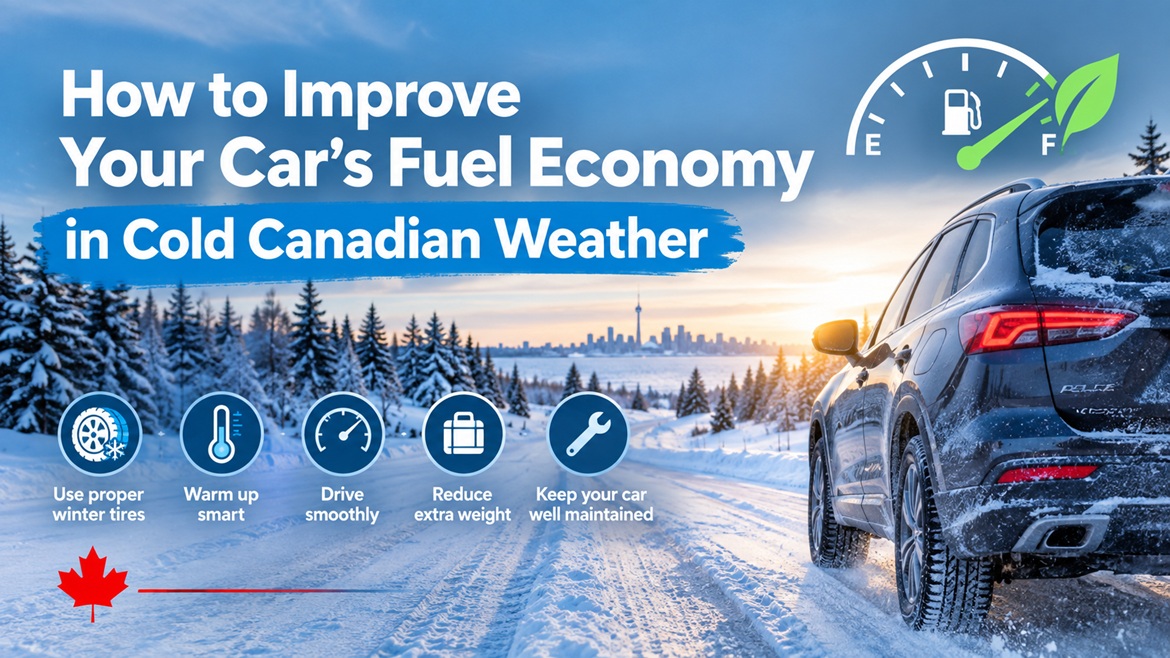
If you've noticed your fuel gauge dropping faster in January than it did in July, it's not your imagination. Winter fuel economy can drop 15 to 30% in cold Canadian weather compared to summer driving, according to natural resources and vehicle efficiency research. The good news is that several of the biggest causes are within your control.
Why Cold Weather Hurts Fuel Economy
Cold engine oil and drivetrain fluids create more friction until they warm up, engines take longer to reach their efficient operating temperature, tire pressure drops and increases rolling resistance, and winter driving habits like extended warm-ups and heavier heater/defroster use all add up. Short trips are hit hardest, since the engine barely reaches peak efficiency before you've already arrived.
Limit Unnecessary Idling
Modern fuel-injected engines don't need long idling periods to warm up mechanically — 30 seconds to a minute is generally enough before driving off gently. Idling for 10 minutes to warm the cabin burns fuel for zero distance travelled and is one of the easiest habits to cut back on.
Keep Tires Properly Inflated
Under-inflated tires increase rolling resistance and reduce fuel economy noticeably, on top of the handling and safety downsides. Since tire pressure drops automatically in cold weather, checking it monthly (as covered in our guide on tire pressure in cold weather) is one of the highest-value five-minute habits for winter fuel economy.
Use a Block Heater
Plugging in a block heater for two to four hours before driving warms the engine block and oil, letting the engine reach efficient operating temperature faster once you start driving. Many Canadian municipalities and workplaces still provide block heater outlets specifically for this reason.
Reduce Short Trips When Possible
Combining several short errands into a single trip lets the engine warm up once and stay efficient, rather than repeatedly cold-starting, which is the least fuel-efficient way to drive. This is particularly relevant since cold starts are also one of the leading causes of a car not starting in cold weather if the battery is already marginal.
Remove Excess Weight and Roof Cargo
Winter is when many drivers add roof boxes, extra emergency supplies and heavier all-weather floor mats, all of which add weight and, in the case of roof cargo, aerodynamic drag. Remove anything you don't need for the specific trip, and store your winter emergency kit efficiently rather than in bulky, oversized containers.
Keep Up With Maintenance
A well-tuned engine with fresh oil, a clean air filter and properly functioning oxygen sensors runs more efficiently in every season, but the gap widens in winter when the engine is already working harder. Review our winter car fluids guide to make sure oil viscosity and other fluids are set up correctly for your climate.
Frequently Asked Questions
Does using heated seats instead of the cabin heater save fuel?
Yes, slightly. Heated seats draw electrical power from the alternator, which has a smaller fuel cost than running the cabin heater at a high setting, though the heater is also needed for windshield defrosting regardless.
Do electric and hybrid vehicles lose range in cold weather too?
Yes, often more noticeably than gasoline vehicles, since cold reduces battery efficiency and cabin heating draws directly from the same battery used for propulsion. Preconditioning the cabin while still plugged in helps offset some of this loss.
About the author
NorthGrip Admin
Editor-in-chief at NorthGrip Auto.
Stay Winter-Ready
Get more winter driving tips and car care guides in your inbox.
Read Next
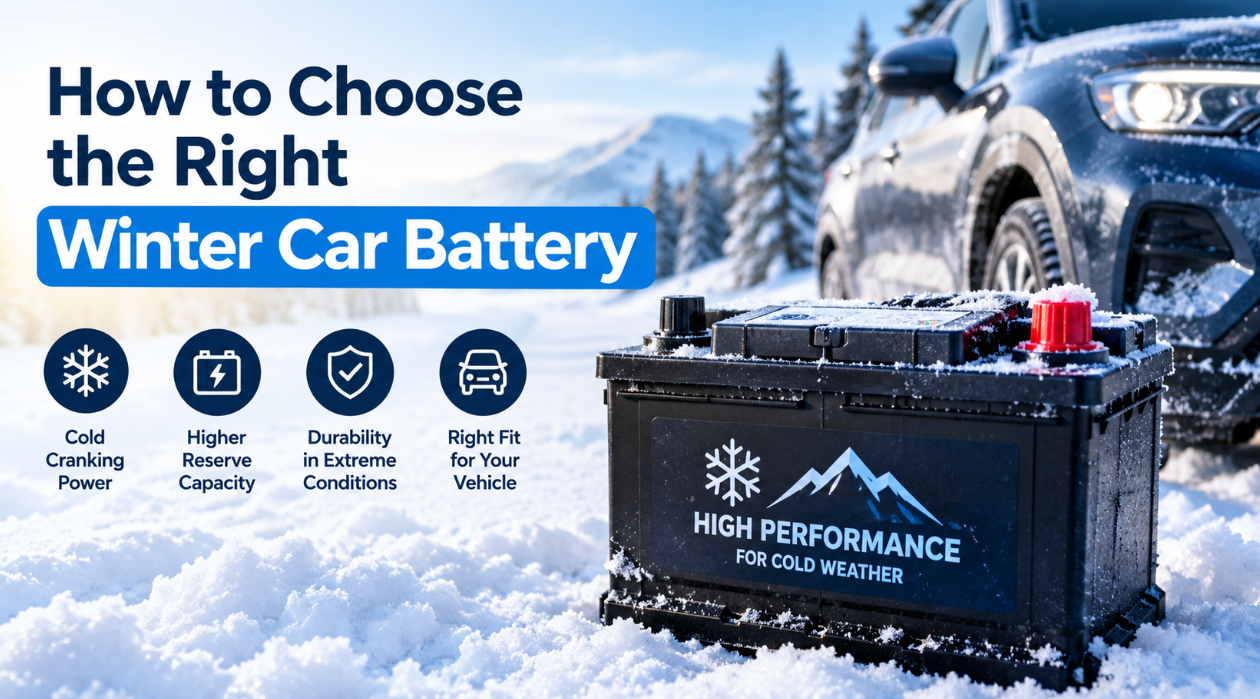
How to Choose the Right Winter Car Battery
Not all car batteries handle Canadian winters equally well. Here's what to look for, including cold cranking amps, size and battery type.
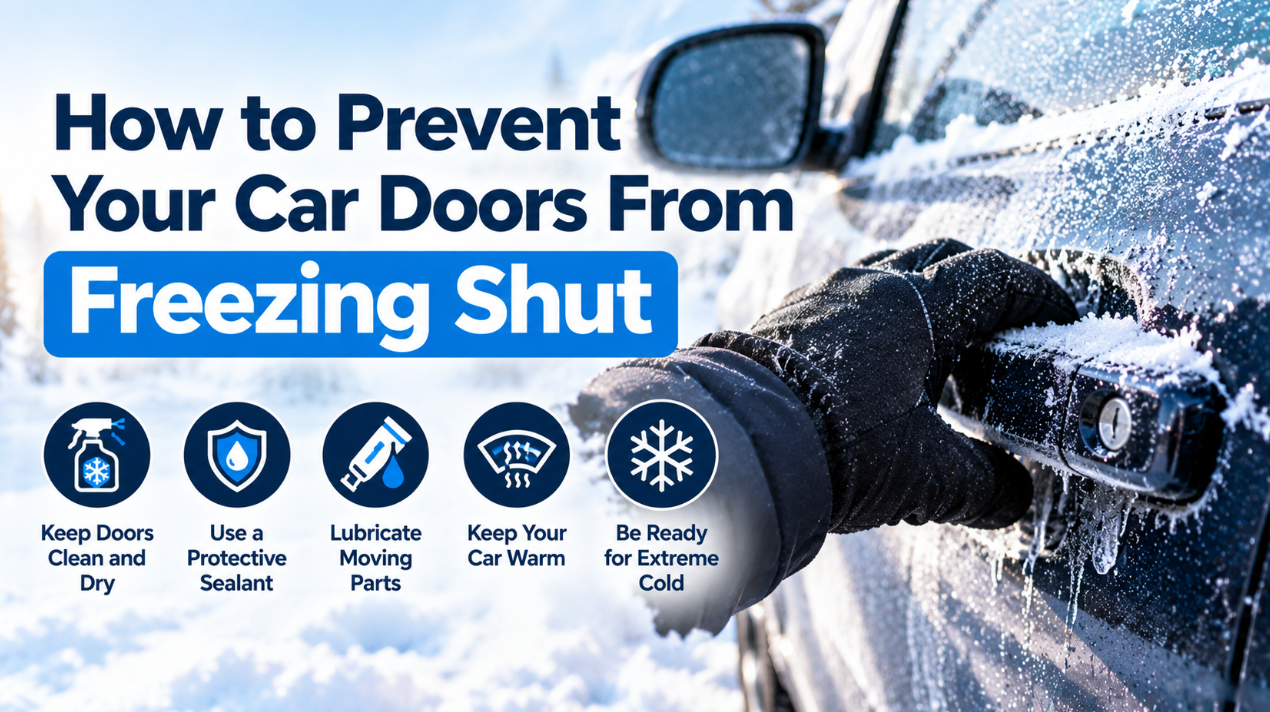
How to Prevent Your Car Doors From Freezing Shut
Frozen car doors are a common winter problem. Here's how to prevent your doors, locks and seals from freezing shut before it happens.
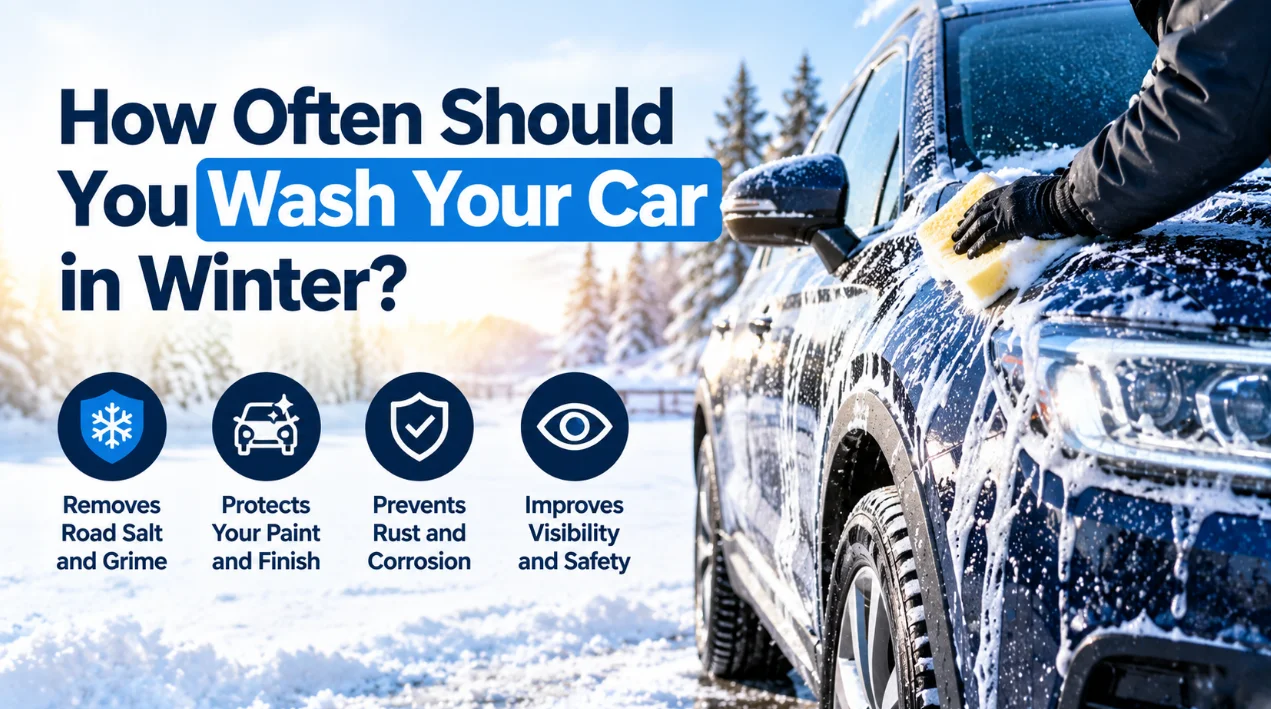
How Often Should You Wash Your Car in Winter?
How often should you wash your car in winter? Here's a practical schedule for Canadian drivers dealing with road salt and slush.