
Winter Car Maintenance Checklist: What to Check Every Month
A month-by-month winter car maintenance checklist for Canadian drivers, covering tires, fluids, battery, lights and brakes all season long.
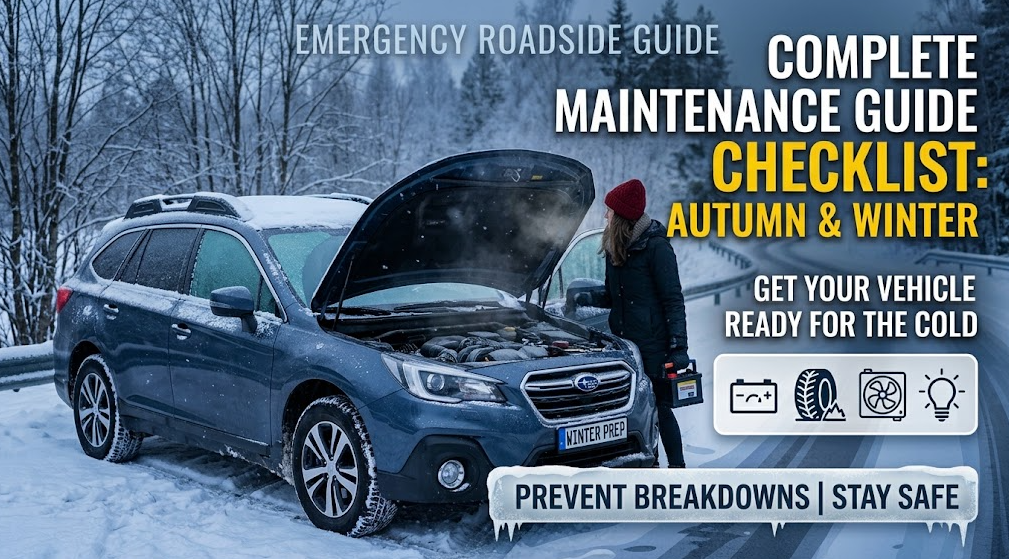
Winter puts steady strain on a vehicle for months at a time, not just on the coldest day of the year. A short monthly checklist covering tires, fluids, battery, lights and brakes helps you catch small issues before they turn into a breakdown or a costly repair.
Most of these checks take only a few minutes and don't require a mechanic. Building them into a monthly habit, rather than doing everything once before the first snowfall, matters because winter conditions keep changing: temperature swings affect tire pressure, road salt builds up gradually on the underbody, and shorter daylight hours put more demand on your lights. Below is what we recommend checking each month from roughly November through April, with links to more detailed guides for each item.
Why Winter Maintenance Isn't a One-Time Job
It's tempting to treat winter prep as a single checklist done in October and then forgotten. In practice, several things that matter for winter safety change gradually over the season: tire pressure drops further with each cold snap, batteries weaken as the season wears on, and salt exposure accumulates rather than happening all at once. A monthly check catches problems while they're still minor and cheap to fix.
Your Monthly Winter Checklist
Area | What to Check |
|---|---|
Tires | Pressure, tread depth, any visible damage |
Fluids | Washer fluid level, coolant level, engine oil level |
Battery | Terminal corrosion, slow cranking, dashboard warning lights |
Lights | Headlights, tail lights, brake lights, turn signals |
Brakes | Pedal feel, unusual noises, warning lights |
Undercarriage | Visible rust, salt buildup, last wash date |
Tires and Tire Pressure
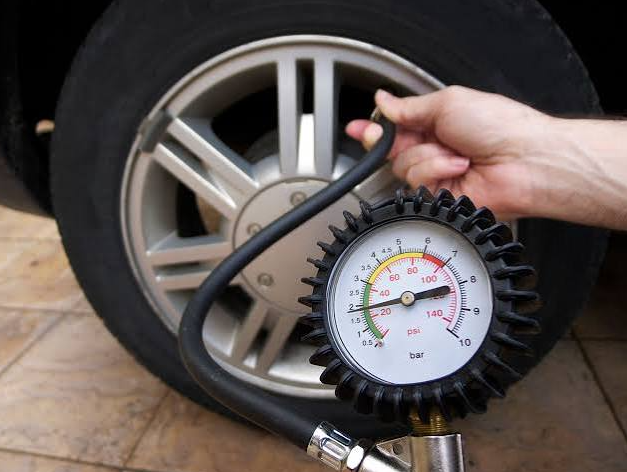
Cold weather causes tire pressure to drop, sometimes enough to trigger a dashboard warning light after a sharp temperature swing. Check pressure at least monthly with a gauge, and glance over the tread for uneven wear or embedded debris. If you haven't already, our guide on how cold weather affects tire pressure explains why this happens, and our comparison of winter tires vs. all-season tires covers whether your current tires are suited to the conditions you're driving in.
Fluids
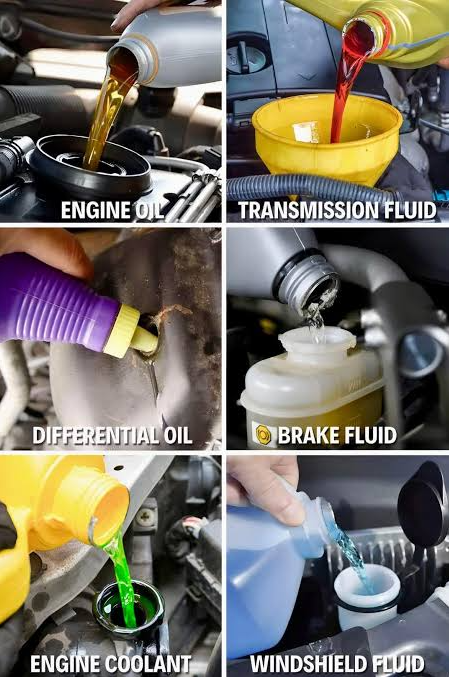
Washer fluid is the one most drivers run dry without noticing until they need it. Coolant and oil levels are worth a quick visual check each month too, since a slow leak is much easier to deal with when caught early. See our winter car fluids guide for what each fluid does and how to check it properly.
Battery
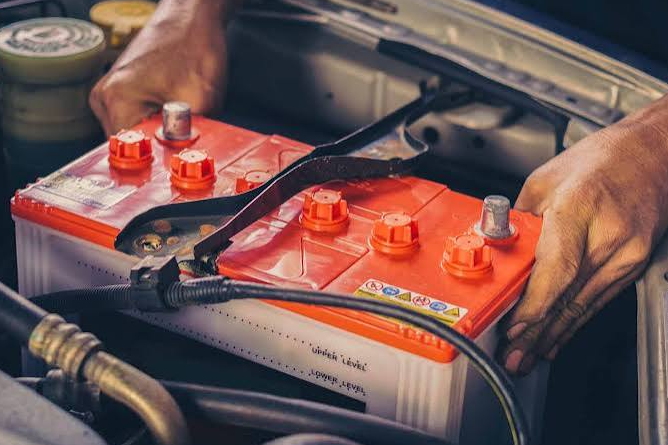
Watch for slow cranking on cold mornings, dimming headlights at idle, or a battery warning light — all early signs of a weakening battery. Cold weather is the single biggest cause of winter breakdowns, and batteries that were fine in October can fail by January. Our explainer on how cold weather affects your car battery covers what to look for and when to have it tested.
Lights
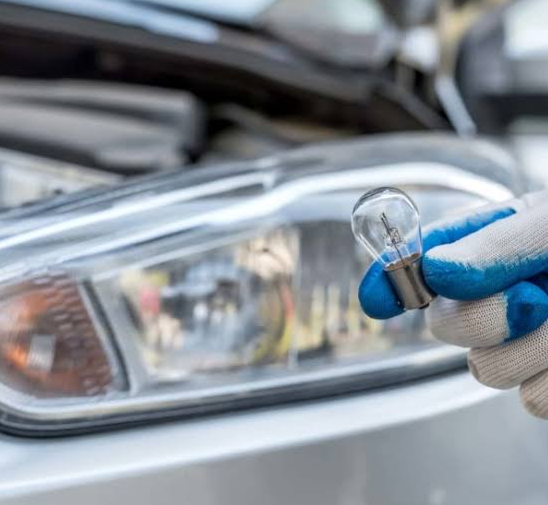
Shorter winter days mean more of your driving happens in low light, and dirty or misaligned lights make a real difference to visibility. Walk around your vehicle monthly to check that every light works and is clear of snow, ice and road grime. See our step-by-step guide on checking your car lights before winter.
Brakes
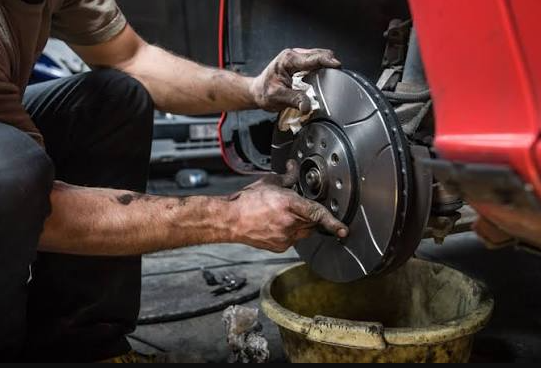
Winter roads demand more from your brakes, between packed snow, ice and stop-and-go traffic in storms. Pay attention to any new noises, vibration, or a pedal that feels softer or harder than usual, and don't ignore a brake warning light. Our guide on preparing your brakes for winter driving goes into more detail.
Undercarriage and Exterior
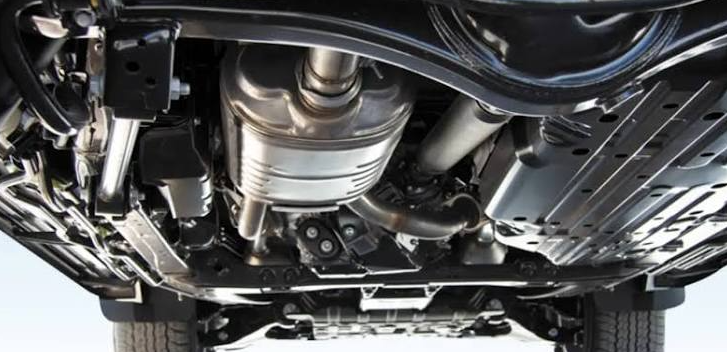
Road salt is hardest on the parts of your vehicle you don't see every day: the frame, brake lines and exhaust system. A monthly glance underneath, combined with regular washing, goes a long way. See our guides on protecting your car from road salt, protecting your car's undercarriage and how often to wash your car in winter for a full routine.
Adjusting the Checklist for Your Region
Not every part of this checklist applies equally everywhere in Canada, and it's worth adjusting based on where you actually drive. In Quebec, where winter tires are legally required by a set date, the tire portion of your checklist has a hard deadline attached. In the Prairies and Northern Ontario, where extreme cold snaps are common, battery and oil checks deserve extra attention, and a block heater is worth considering if you don't already have one. Along the coast in British Columbia and the Maritimes, freeze-thaw cycles and freezing rain are a bigger factor than deep snow, which makes wiper condition, washer fluid rating and undercarriage checks especially relevant. If you regularly drive through mountain passes, add a chain and traction-aid check to your monthly routine as well.
DIY Checks vs. What to Leave to a Mechanic
Most of the checks on this list, tire pressure, fluid levels, visual light checks, and a look underneath for obvious rust, are safe and simple for most drivers to do themselves with basic tools. A few things are better left to a professional: brake pad thickness usually requires removing a wheel, a proper battery load test needs specialized equipment, and any fluid that looks contaminated or a warning light that won't clear deserves a shop visit rather than guesswork. Knowing which checks you can do in five minutes in your driveway, and which ones warrant an appointment, keeps this routine realistic to actually stick with all winter.
What Happens If You Skip Monthly Checks
Most of the problems this checklist catches don't happen suddenly, they build up gradually. A battery that's slowly weakening will usually give some warning signs, like slower cranking, before it fails completely. Under-inflated tires wear unevenly over weeks, not overnight. Salt-related corrosion on a frame or brake line typically takes months or years of exposure, not one bad drive. That's exactly why a monthly habit works so well: it interrupts these slow-building problems at a stage where a fix is quick and inexpensive, rather than after a roadside breakdown, a tow, or a larger repair bill.
Putting It All Together
None of these checks take long individually, and doing them together once a month is far less disruptive than dealing with a breakdown, a rust repair, or a burnt-out headlight you didn't notice until a police stop. Pair this monthly routine with the one-time pre-season checklist in our guide on preparing your car for a Canadian winter for complete coverage from the first frost to spring thaw.
Frequently Asked Questions
How long does a full monthly check actually take?
For most vehicles, walking through this entire checklist takes 15 to 20 minutes once you're familiar with where everything is located. Tire pressure and a visual walk-around for lights typically take the longest; fluid level checks are usually quick.
Should I keep a written record of what I check each month?
It's not essential, but a simple note on your phone with the date and anything you topped up or noticed can help you spot patterns, like a coolant level that keeps dropping, that might not be obvious from a single check alone.
About the author
NorthGrip Admin
Editor-in-chief at NorthGrip Auto.
Stay Winter-Ready
Get more winter driving tips and car care guides in your inbox.
Read Next
How to Choose the Right Winter Car Battery
Not all car batteries handle Canadian winters equally well. Here's what to look for, including cold cranking amps, size and battery type.
How to Prevent Your Car Doors From Freezing Shut
Frozen car doors are a common winter problem. Here's how to prevent your doors, locks and seals from freezing shut before it happens.
How Often Should You Wash Your Car in Winter?
How often should you wash your car in winter? Here's a practical schedule for Canadian drivers dealing with road salt and slush.