
How to Tell if Your Car Needs a Winter Tune-Up
Not sure if your car needs a winter tune-up? Here are the warning signs Canadian drivers should watch for before cold weather arrives.
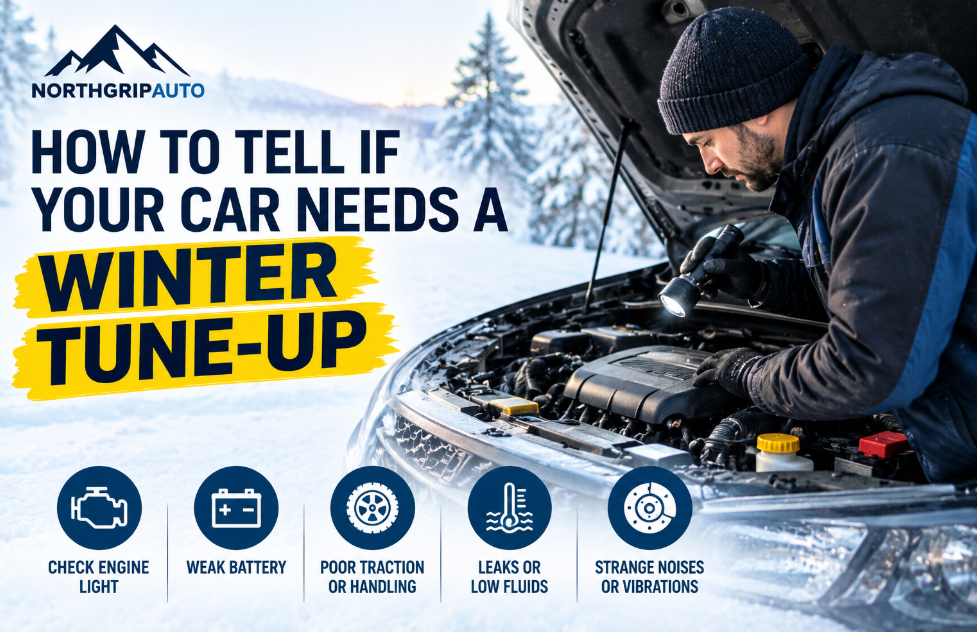
A few reliable signs point to needing a winter tune-up: slow or hesitant starts, a battery warning light, worn wiper blades, low tread depth on your current tires, or simply not remembering the last time your fluids and brakes were inspected. If several of these apply, it's worth booking a pre-winter inspection rather than waiting to see what fails first.
A "winter tune-up" isn't a single standardized service, but most shops offer some version of it, typically a broader check of the systems that matter most once cold weather and winter roads arrive. Here's how to tell whether your vehicle needs one this year.
Starting and Electrical Signs
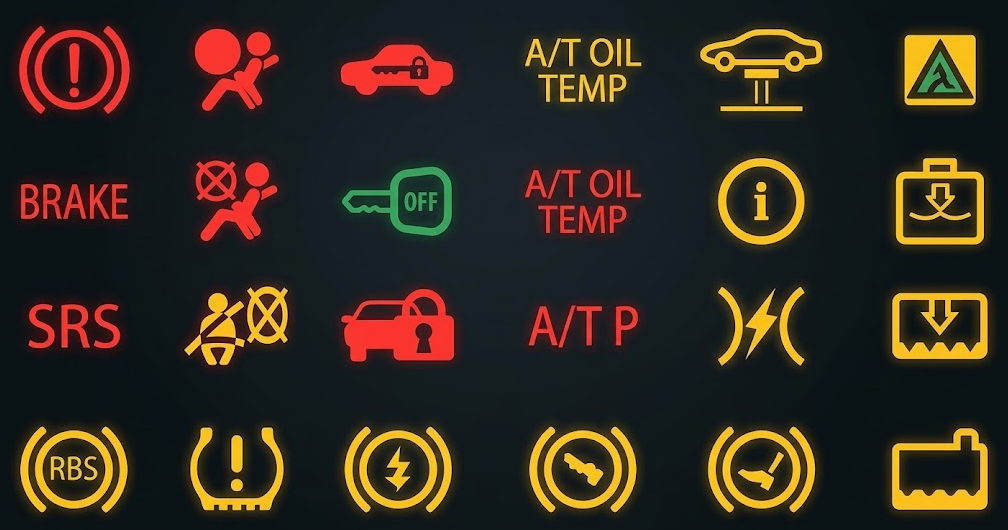
The engine cranks slowly or takes longer than usual to start, especially on cold mornings
Headlights or interior lights dim noticeably when the engine is idling
A battery or charging system warning light has appeared
It's been more than a few years since your battery was tested
These are among the clearest signs your vehicle may struggle once real cold arrives; see our guide on how cold weather affects your car battery for more detail.
Tires and Braking Signs
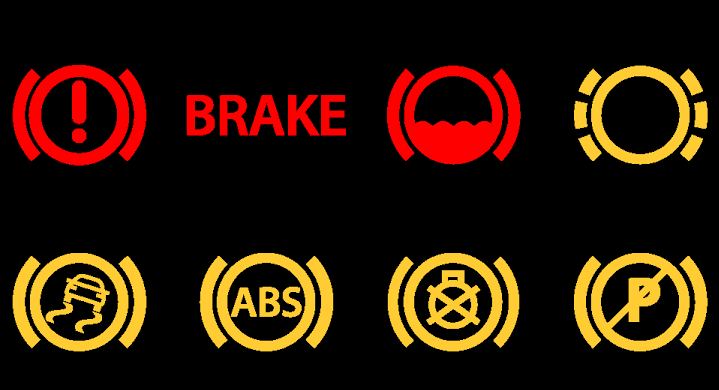
Tread depth is visibly low, or you're not sure when your tires were last checked
You're still running all-season tires in a region with harsh winters — see our comparison of winter tires vs. all-season tires
Any new noise, vibration, or change in brake pedal feel
It's been a long time since your brakes were inspected
Fluids and Under-the-Hood Signs
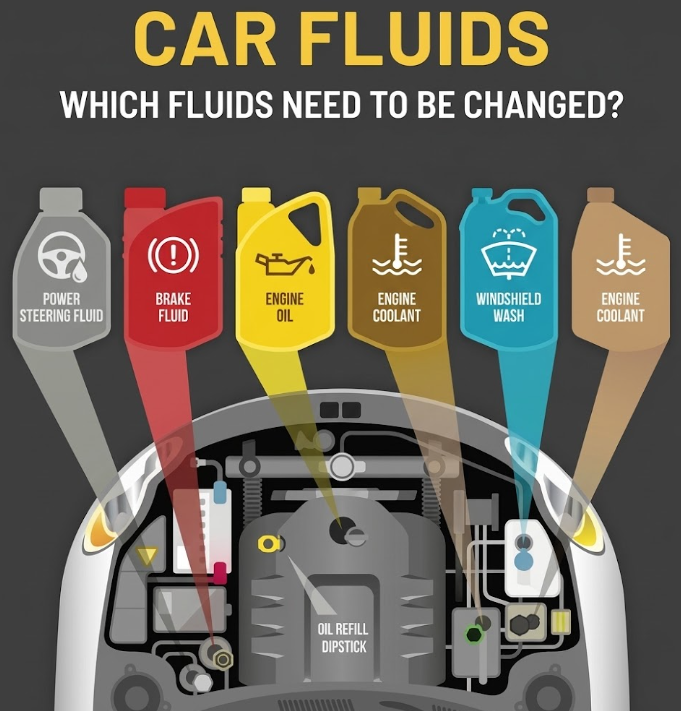
Washer fluid is old, low, or not rated for cold temperatures
You're not sure when the oil was last changed, or it looks very dark on the dipstick
Coolant level looks low, or you've never checked it
Our winter car fluids guide covers what to check for each fluid, and our guide on checking your coolant before winter walks through that specific check step by step.
Visibility and Wiper Signs
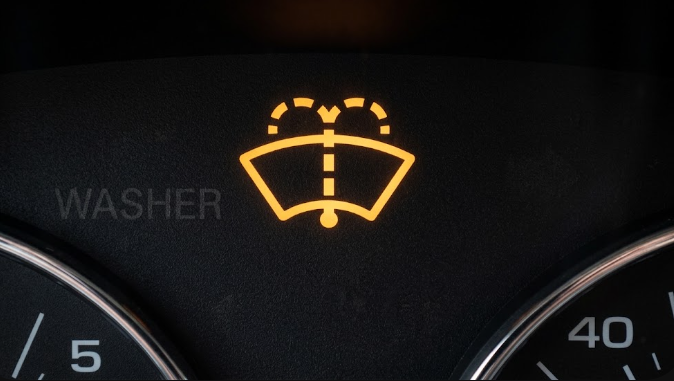
Wiper blades streak, skip, or squeak
Headlight lenses look foggy, yellowed, or dim compared to when the vehicle was new
Any light isn't working, as covered in our guide on checking your car lights before winter
Quick Self-Check Table
If This Applies to You… | Consider This |
|---|---|
Slow cranking or dimming lights | Battery test |
Low tread or all-season tires only | Tire inspection or winter tire installation |
Streaking wipers or dim headlights | New wiper blades, headlight cleaning |
Unknown fluid or brake service history | Full pre-winter inspection |
When in Doubt, Get an Inspection
If you're not confident assessing any of the above yourself, a pre-winter inspection at a trusted shop typically covers the battery, tires, brakes, fluids and lights in one visit. It's a small cost compared to a roadside breakdown or a winter safety issue. For an overview of the problems a tune-up helps prevent, see our guide on common winter car problems in Canada.
What a Typical Winter Tune-Up Includes
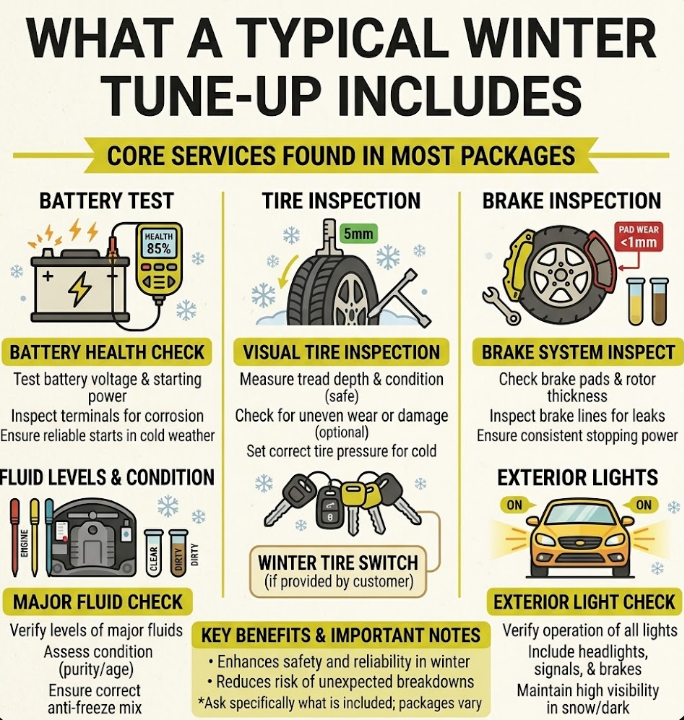
While there's no single industry-standard definition, most shops offering a "winter tune-up" or "winter inspection" package cover a similar core set of items: a battery test, a visual tire inspection (and sometimes a switch to winter tires if you bring them in), a brake inspection, a check of major fluid levels and condition, and a check of exterior lights. Some shops add extras like a cabin air filter check or a look at belts and hoses. It's worth asking specifically what's included before booking, since packages do vary.
How Often Does a Vehicle Need This?
Most drivers benefit from some version of a pre-winter check once a year, ideally in October or early November before the first sustained cold snap. Vehicles that are older, have higher mileage, or already have known issues may benefit from a more thorough inspection than a newer, well-maintained vehicle with no history of problems. If you already follow a monthly winter maintenance routine, you may catch most issues yourself before they'd show up in an annual tune-up, but the professional check is still valuable for the items that are harder to assess without a hoist and proper tools, like brake pad thickness or a true battery load test.
Is It Worth Paying for a Tune-Up If Nothing Seems Wrong?
Yes, in most cases. Many of the problems covered in this guide, like a weakening battery or thinning brake pads, don't produce obvious symptoms until they're fairly advanced. A tune-up isn't just about fixing something broken, it's about catching problems while they're still minor and inexpensive to address, which is generally cheaper than dealing with a breakdown or safety issue once winter conditions are already underway.
Older Vehicles vs. Newer Vehicles
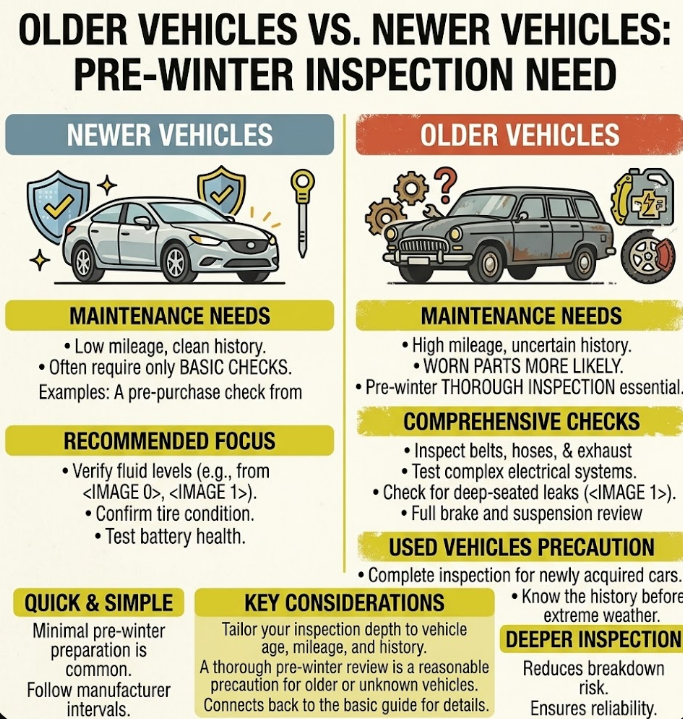
Newer vehicles with a clean maintenance history and low mileage may need little beyond the basic checks covered in this guide. Older vehicles, higher-mileage vehicles, or ones with a less certain service history, such as a recently purchased used car, generally benefit from a more thorough pre-winter inspection, simply because there's more opportunity for a worn part to go unnoticed. If you've recently acquired a vehicle and don't know its full history, a complete inspection before your first winter with it is a reasonable precaution regardless of how it seems to be running.
Timing Your Tune-Up Right
Booking a tune-up too early in the fall means conditions haven't tested the vehicle yet, while waiting until the first snowstorm means shops are often busiest and appointment availability is tighter. Many drivers find that booking in October, once temperatures are consistently cooler but before the first significant snowfall, offers a good balance of availability and useful timing.
What to Bring Up With Your Mechanic
Getting the most out of a winter tune-up often comes down to giving your mechanic useful context, not just dropping the vehicle off. Mention anything unusual you've noticed, even something minor like a new sound on cold mornings, and let them know if you're planning any longer winter road trips, since that context can affect what they prioritize checking. If cost is a concern, ask which items are most important to address now versus which could reasonably wait, so you can make an informed decision rather than feeling pressured to approve every recommendation at once.
About the author
NorthGrip Admin
Editor-in-chief at NorthGrip Auto.
Stay Winter-Ready
Get more winter driving tips and car care guides in your inbox.
Read Next
How to Choose the Right Winter Car Battery
Not all car batteries handle Canadian winters equally well. Here's what to look for, including cold cranking amps, size and battery type.
How to Prevent Your Car Doors From Freezing Shut
Frozen car doors are a common winter problem. Here's how to prevent your doors, locks and seals from freezing shut before it happens.
How Often Should You Wash Your Car in Winter?
How often should you wash your car in winter? Here's a practical schedule for Canadian drivers dealing with road salt and slush.