
How to Choose the Right Winter Car Battery
Not all car batteries handle Canadian winters equally well. Here's what to look for, including cold cranking amps, size and battery type.
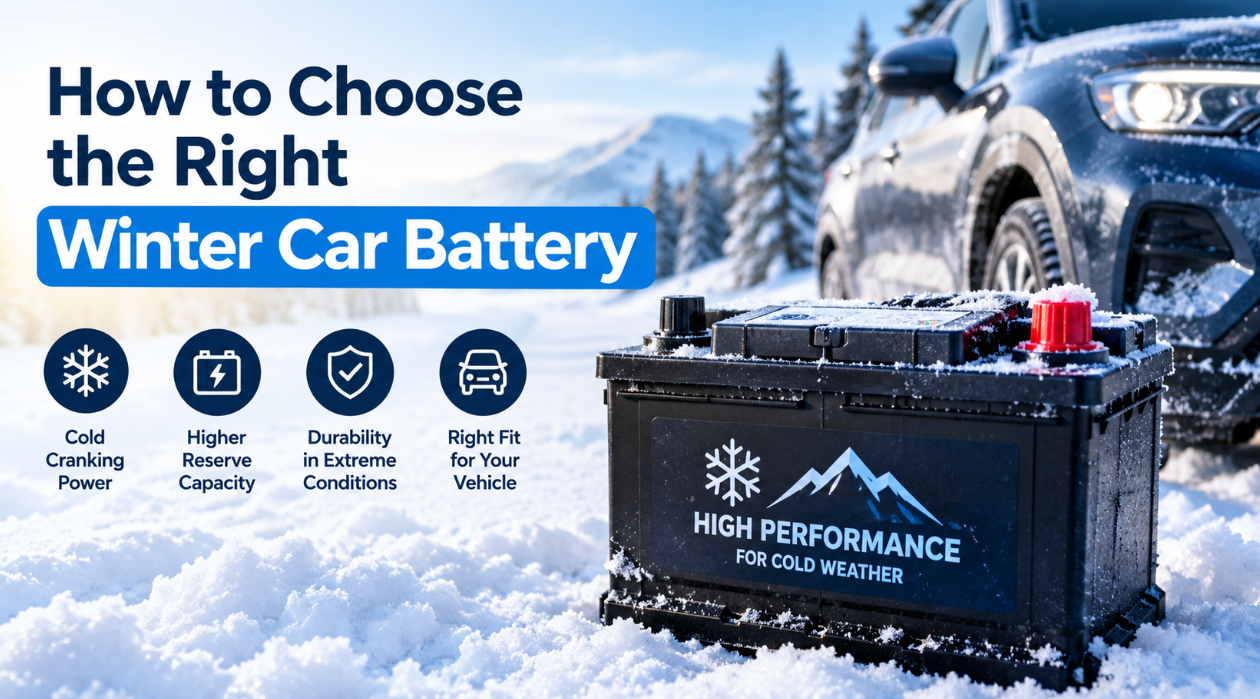
The right winter car battery for most Canadian drivers is one that meets or exceeds your vehicle manufacturer's recommended cold cranking amps (CCA) rating, matches the correct group size for your specific make and model, and is fresh rather than one that's been sitting in a warehouse or on a shelf for a long time before purchase. Cold cranking amps specifically measure how much power a battery can deliver at low temperatures, which is exactly what matters most for reliable winter starts.
A battery that seems adequate in a warmer climate can struggle in a Canadian winter, since cold weather itself reduces a battery's effective output. Choosing a battery with enough margin above your vehicle's minimum requirement, rather than the cheapest option that technically fits, pays off on the coldest mornings of the year.
Understanding Cold Cranking Amps (CCA)
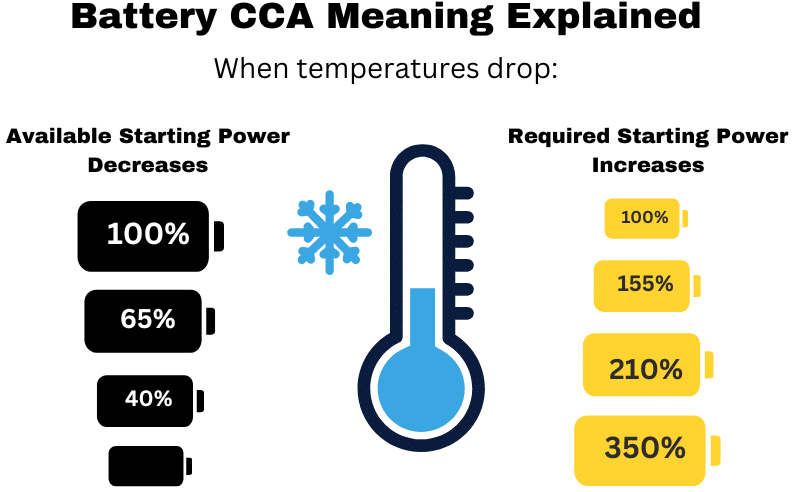
CCA measures the current a battery can deliver for 30 seconds at -18°C while maintaining a minimum voltage, which closely mirrors the demand of starting a cold engine. Your owner's manual or the battery currently in your vehicle typically lists a minimum recommended CCA; choosing a battery that meets or modestly exceeds this figure gives you a better margin for genuinely extreme cold snaps.
Group Size Matters as Much as CCA
Battery "group size" refers to the physical dimensions, terminal placement and mounting configuration, and it needs to match your vehicle for the battery to fit and connect properly. A battery with excellent CCA but the wrong group size simply won't work in your vehicle. Check your current battery's label or your owner's manual for the correct group size before shopping.
Battery Types
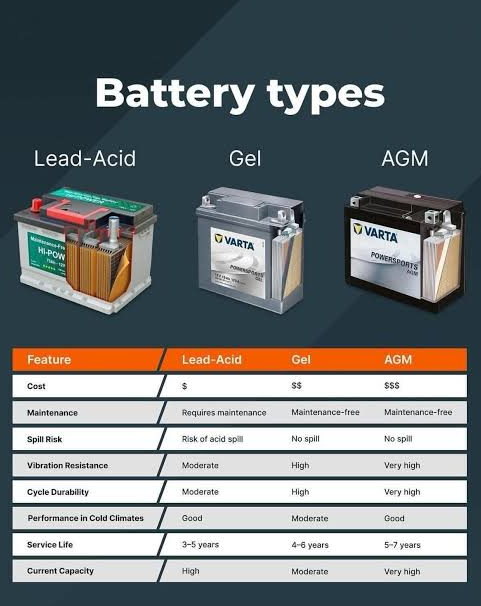
Type | Characteristics |
|---|---|
Flooded lead-acid (standard) | Most common and affordable; performs well when properly rated for CCA |
AGM (absorbed glass mat) | More resistant to vibration and deep discharge; often required for vehicles with auto start-stop systems |
EFB (enhanced flooded battery) | A middle ground, sometimes used in vehicles with basic start-stop features |
Check your owner's manual for which type your vehicle requires, since installing the wrong type in a vehicle designed for AGM, for example, can lead to premature failure or reduced performance.
Checking How Fresh a Battery Is
Batteries can lose some capacity simply sitting on a shelf, even before installation. Most batteries have a manufacture date code stamped on them (often a letter and number combination indicating month and year). Ask staff to help you find and interpret it if it's not obvious, and prefer a battery manufactured more recently over one that's been sitting for a long time, all else being equal.
Warranty Considerations
Battery warranties vary by brand and retailer, typically covering a free replacement period followed by a prorated period. A longer or more generous warranty can be a reasonable tiebreaker between two batteries with similar specifications, though it shouldn't be the only factor, since CCA rating and correct fit matter more for actual winter performance.
Installation and Terminal Care
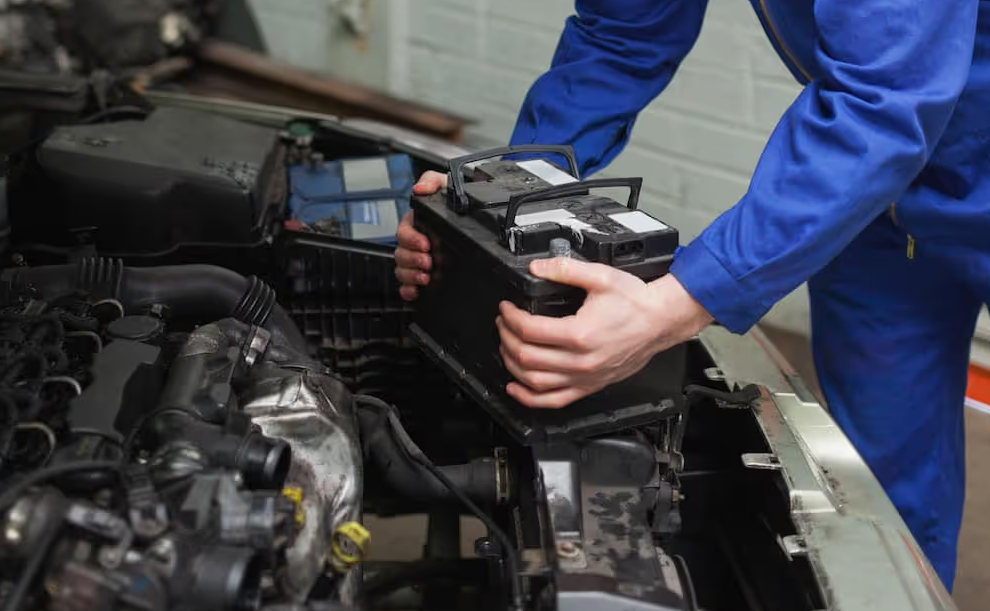
Whether you install the battery yourself or have a shop do it, clean, corrosion-free terminals and a properly tightened connection matter as much as the battery itself for reliable starting. See our explainer on how cold weather affects your car battery for more on terminal maintenance and testing.
Testing Before You Rely on It
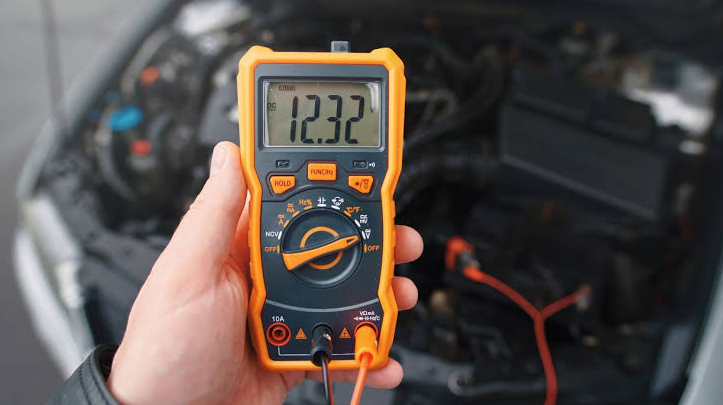
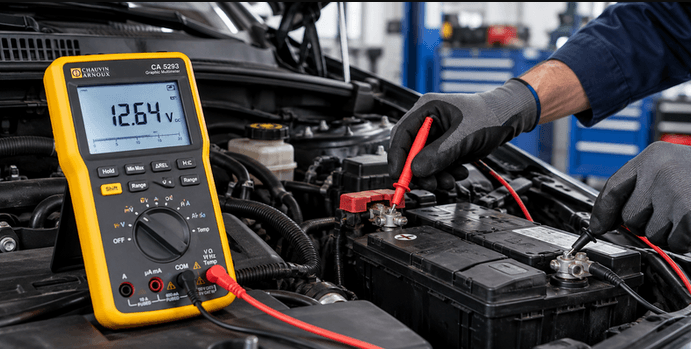
Once installed, a quick load test at a shop, or a simple voltage check with a multimeter if you're comfortable doing so, confirms the new battery is performing as expected. This is worth doing once shortly after installation rather than assuming a new battery is automatically problem-free; occasional manufacturing defects, though uncommon, do happen.
How Long Should a Winter-Rated Battery Last?
Most car batteries last somewhere in the range of three to five years under typical conditions, though extreme cold, frequent short trips, and vehicle electrical load (from heated seats, infotainment systems and other accessories) can shorten this. Rather than waiting for a failure, many drivers proactively test or replace a battery once it's a few years old, particularly heading into a winter where reliability matters most.
Backup Options: Jump Starters
Even a well-chosen battery can occasionally fail unexpectedly, or age faster than planned. Keeping a portable jump starter in your vehicle is a reasonable backup regardless of how new or well-rated your battery is; see our guide on choosing an emergency car jump starter.
Frequently Asked Questions
Is a higher CCA always better?
Not necessarily beyond a reasonable margin above your vehicle's minimum requirement. Extremely high CCA batteries are sometimes larger, heavier, or more expensive than needed for a given vehicle. Matching your manufacturer's specification with a modest safety margin is generally the most practical approach.
How do I know if it's time to replace my battery rather than just testing it?
A failed load test, visible corrosion or swelling on the case, or a battery more than four to five years old showing any performance symptoms are all reasonable signs to consider replacement rather than continuing to monitor an aging battery through another winter.
Do I need a special battery for a vehicle with a lot of electronics?
Vehicles with significant electrical demands, including many newer vehicles with advanced infotainment and driver-assistance systems, sometimes specify a particular battery type such as AGM. Check your owner's manual rather than assuming a standard flooded battery is sufficient for every modern vehicle.
Should I buy a battery online or in person?
Buying in person allows staff to verify group size and specifications match your vehicle before you leave, and often includes free installation or old battery recycling. Buying online can offer more selection or better pricing, but confirm the exact fit for your vehicle carefully before ordering, since returns on batteries can be inconvenient.
What should I do with my old battery?
Car batteries should always be recycled rather than discarded in regular trash, since they contain materials that require proper handling. Most retailers that sell replacement batteries accept old ones for recycling, often for a small deposit refund or at no charge.
Does the alternator matter as much as the battery?
Yes, the two work together. A healthy alternator keeps the battery charged while driving; if your alternator is failing, even a brand-new, correctly rated battery will gradually lose charge and eventually leave you stranded. If you're replacing a battery that failed unusually quickly, it's worth having the charging system tested as well.
About the author
NorthGrip Admin
Editor-in-chief at NorthGrip Auto.
Stay Winter-Ready
Get more winter driving tips and car care guides in your inbox.
Read Next
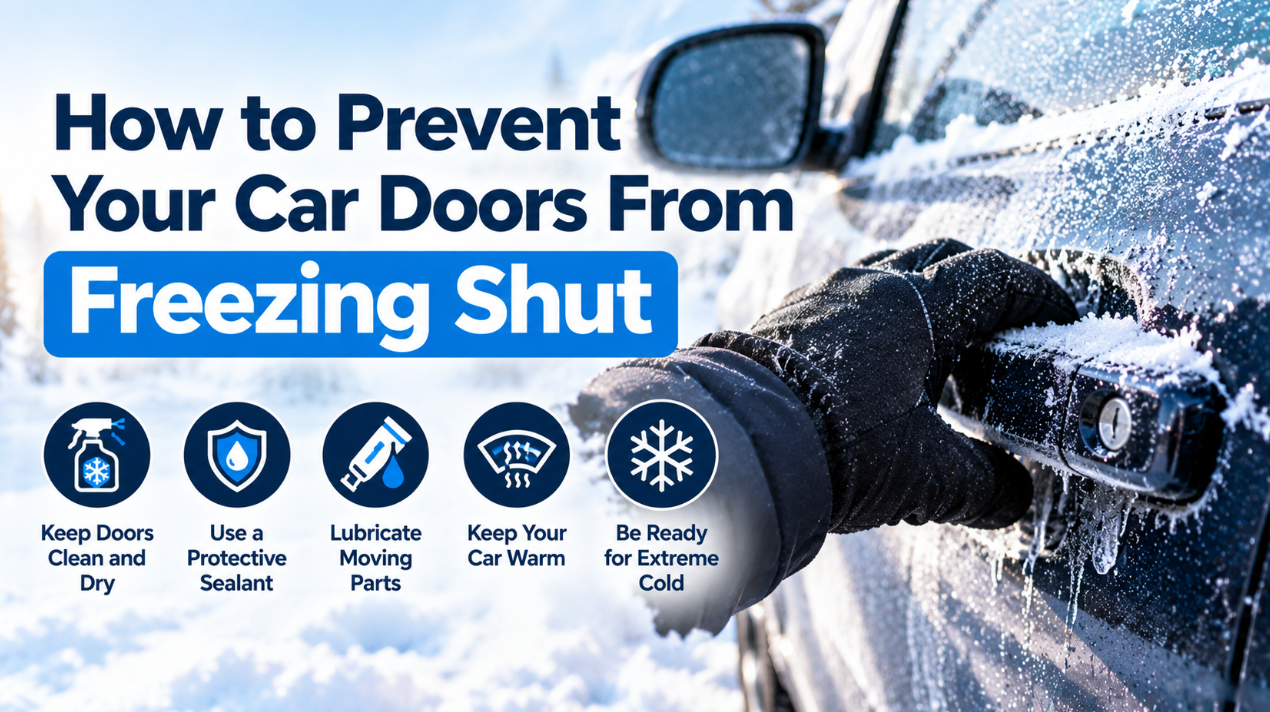
How to Prevent Your Car Doors From Freezing Shut
Frozen car doors are a common winter problem. Here's how to prevent your doors, locks and seals from freezing shut before it happens.
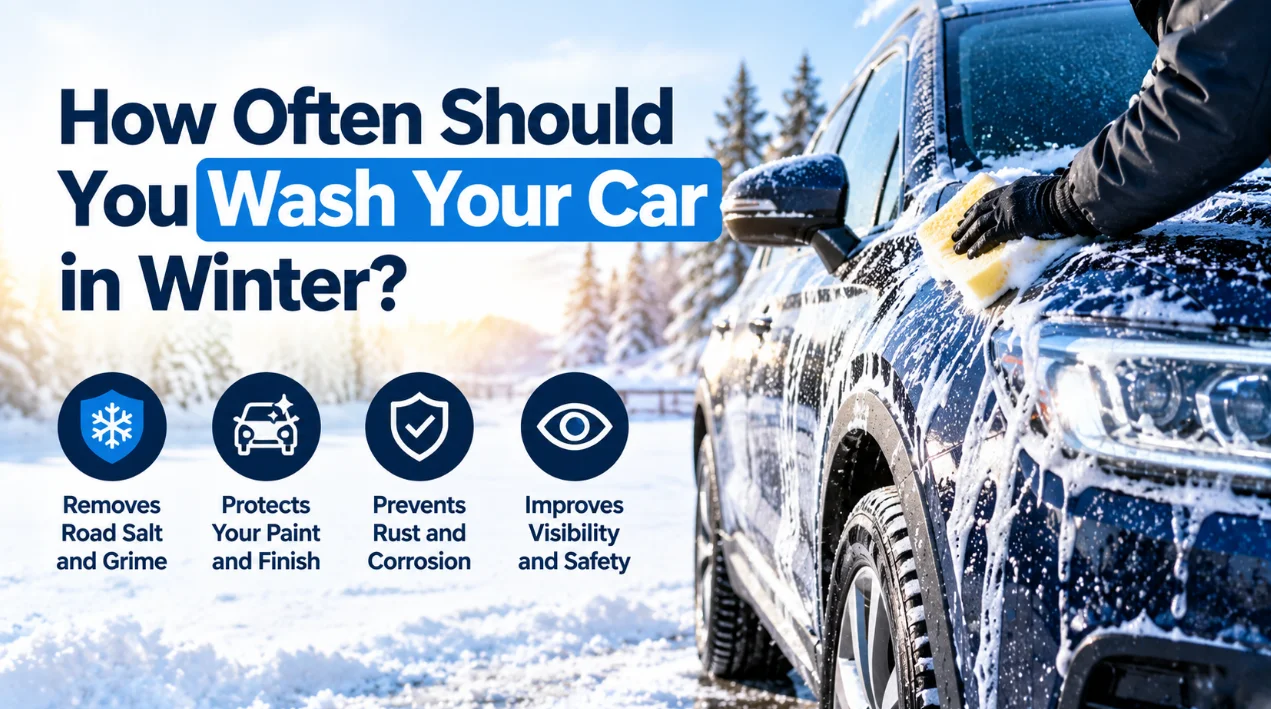
How Often Should You Wash Your Car in Winter?
How often should you wash your car in winter? Here's a practical schedule for Canadian drivers dealing with road salt and slush.
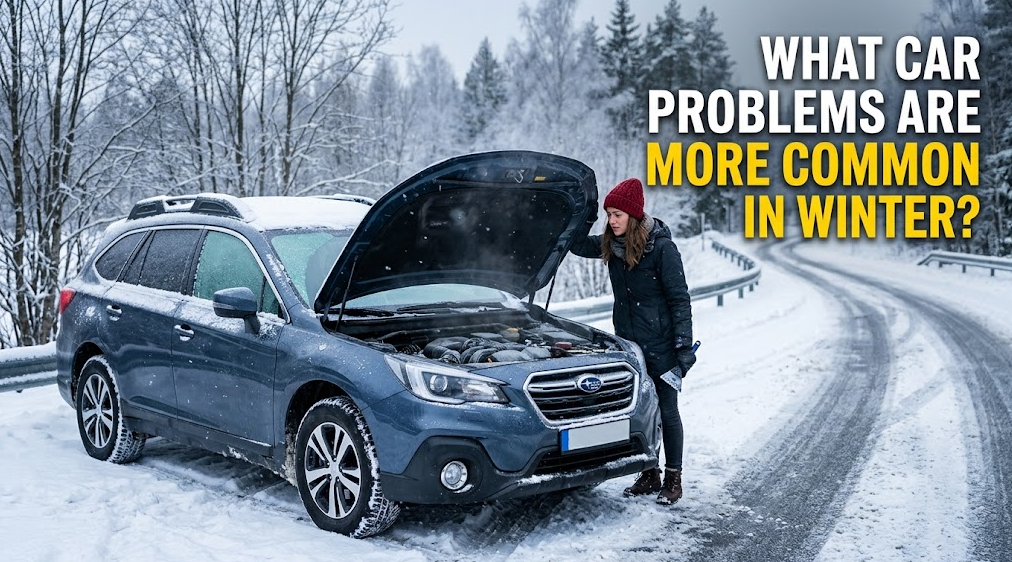
What Car Problems Are More Common in Winter?
From dead batteries to frozen locks, here are the car problems that become more common in winter, and links to fix or prevent each one.