
How Cold Weather Affects Your Car Battery
Cold weather is the number one cause of winter breakdowns. Here's why, and how to protect your battery.
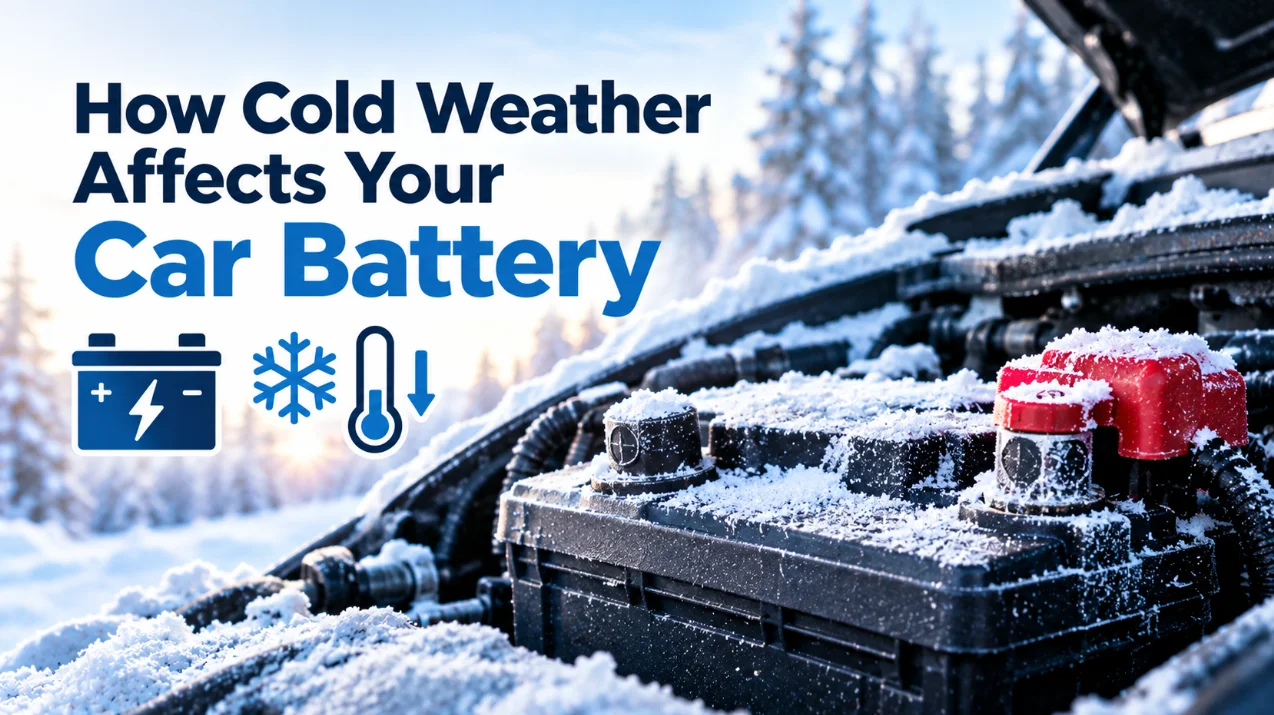
Extreme cold is hard on car batteries, and it's the leading cause of winter roadside breakdowns across Canada. At -18°C, a typical lead-acid battery can lose up to 50% of its cranking strength, right at the moment your engine needs more power than usual to start. Understanding why this happens — and catching the warning signs early — can save you from being stranded in a parking lot at -30°C.
Why Cold Hurts Batteries
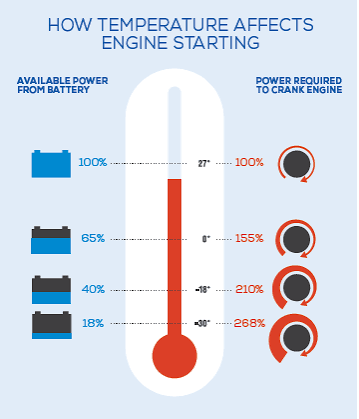
A car battery produces electricity through a chemical reaction between lead plates and sulfuric acid electrolyte. That reaction slows down significantly as temperatures drop, which is why battery capacity is rated using a "cold cranking amps" (CCA) figure that measures performance specifically in cold conditions. At the same time, cold engine oil thickens and creates more resistance for the starter motor to overcome, meaning the engine demands more power from a battery that has less to give. The combination is why so many batteries that seemed fine in October suddenly fail on the coldest morning of the year.
Signs Your Battery Is Struggling
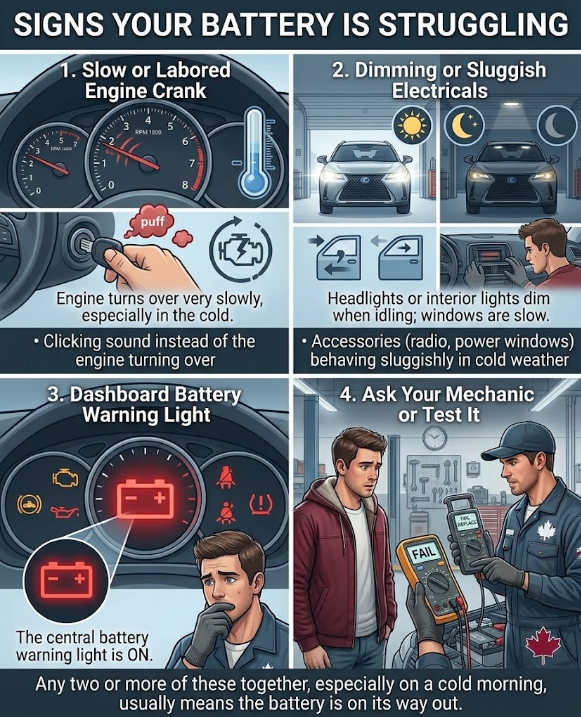
Slow or labored engine crank when starting
Dimming headlights or interior lights when idling
Dashboard battery warning light
Clicking sound instead of the engine turning over
Accessories (radio, power windows) behaving sluggishly in cold weather
Any one of these on its own can be a coincidence, but two or more together, especially on a cold morning, usually means the battery is on its way out.
How Old Is Too Old?
Most car batteries last three to five years in a Canadian climate, though extreme cold and frequent short trips (which don't give the alternator enough time to fully recharge the battery) can shorten that lifespan. If your battery is more than three years old, it's worth having it load-tested before winter rather than waiting for it to fail.
How to Protect Your Battery
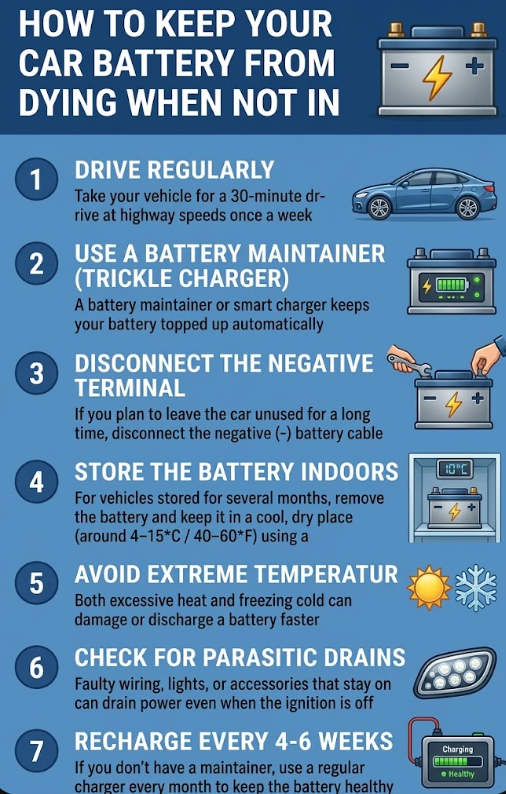
Have your battery load-tested at a shop before winter hits — this is different from a simple voltage check and actually simulates cranking load. Keep the terminals clean and free of corrosion, which can be removed with a mixture of baking soda and water and a wire brush. If you park outdoors in extreme cold regions like the Prairies, Northern Ontario or the territories, consider a battery blanket or an engine block heater, both of which noticeably improve cold-start reliability. This pairs well with the rest of the checklist in our guide on preparing your car for a Canadian winter.
If Your Battery Dies
Keep a set of jumper cables or, better yet, a portable lithium jump starter in your vehicle at all times during winter months — they're small enough to fit in a glove box and can start most vehicles without needing a second car. Pack it alongside the rest of the essentials from our winter car emergency kit checklist so you're never caught without a way to restart the engine.
Frequently Asked Questions
Should I let my car warm up longer in extreme cold?
Modern fuel-injected engines don't need long idling periods to warm up mechanically, but giving the battery and alternator a minute or two before driving off can help, especially right after a cold start.
Does turning off accessories before starting help?
Yes. Turning off the radio, heated seats and headlights before starting the engine reduces the initial electrical load and gives the battery an easier job cranking the engine.
About the author
NorthGrip Admin
Editor-in-chief at NorthGrip Auto.
Stay Winter-Ready
Get more winter driving tips and car care guides in your inbox.
Read Next
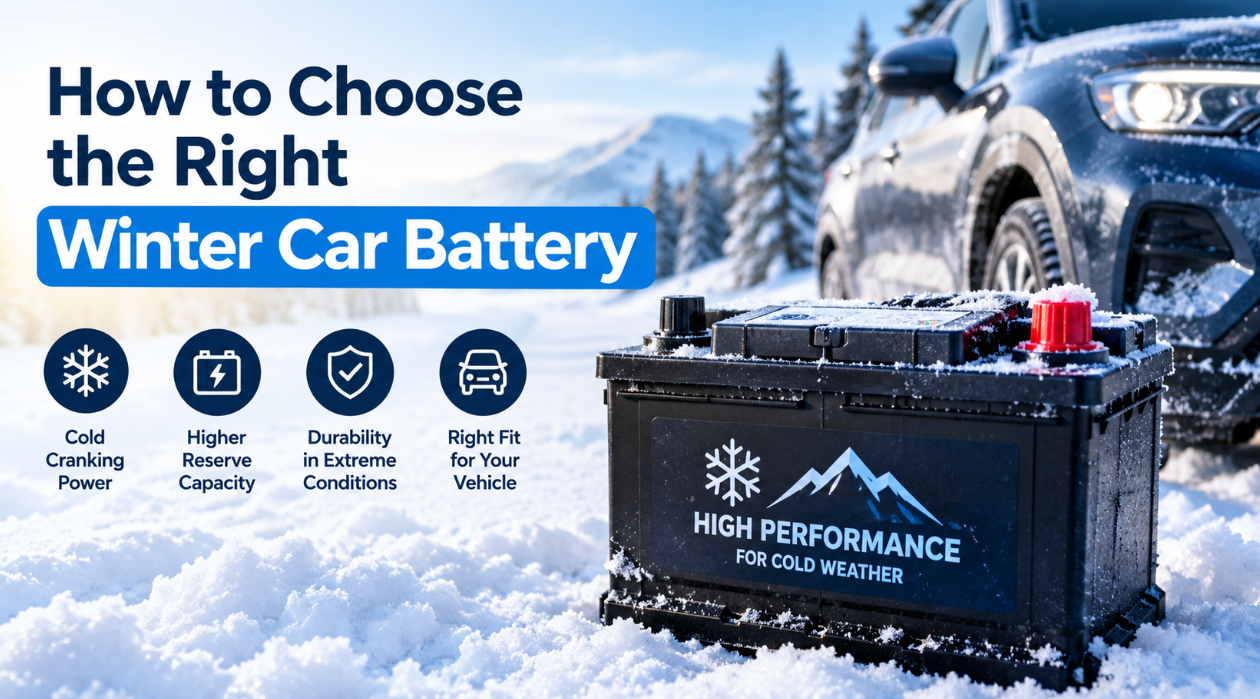
How to Choose the Right Winter Car Battery
Not all car batteries handle Canadian winters equally well. Here's what to look for, including cold cranking amps, size and battery type.
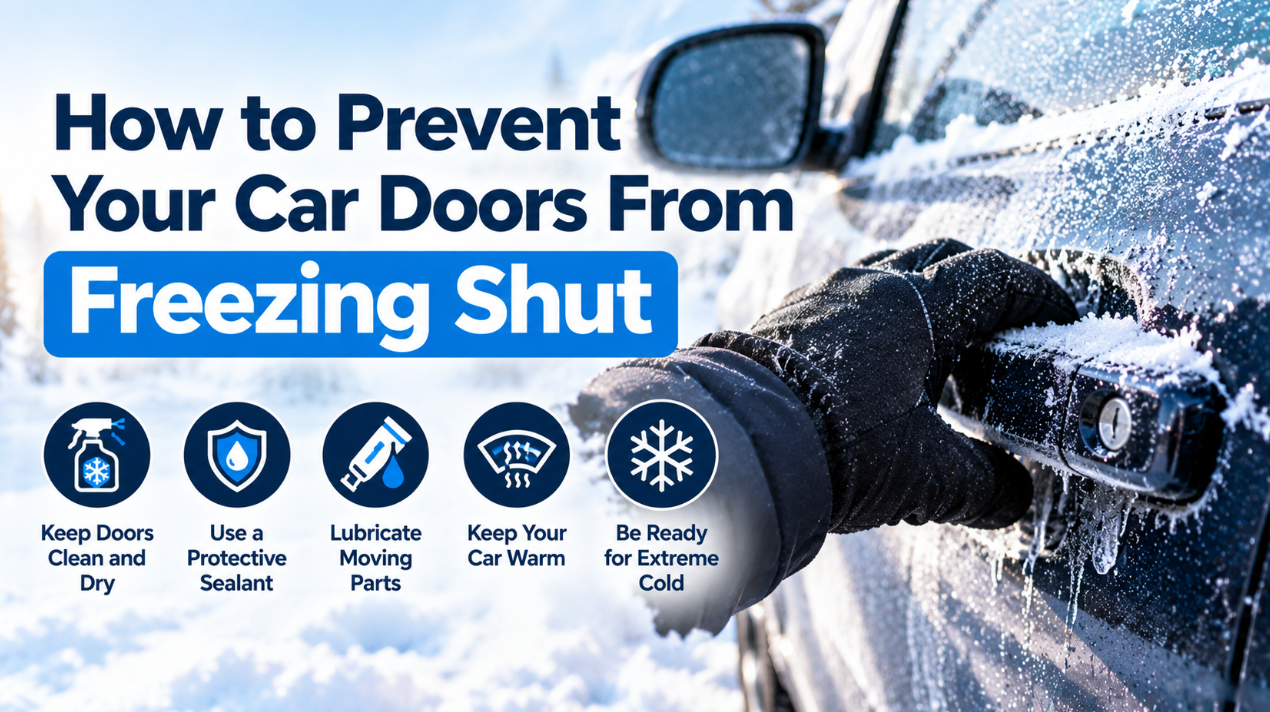
How to Prevent Your Car Doors From Freezing Shut
Frozen car doors are a common winter problem. Here's how to prevent your doors, locks and seals from freezing shut before it happens.
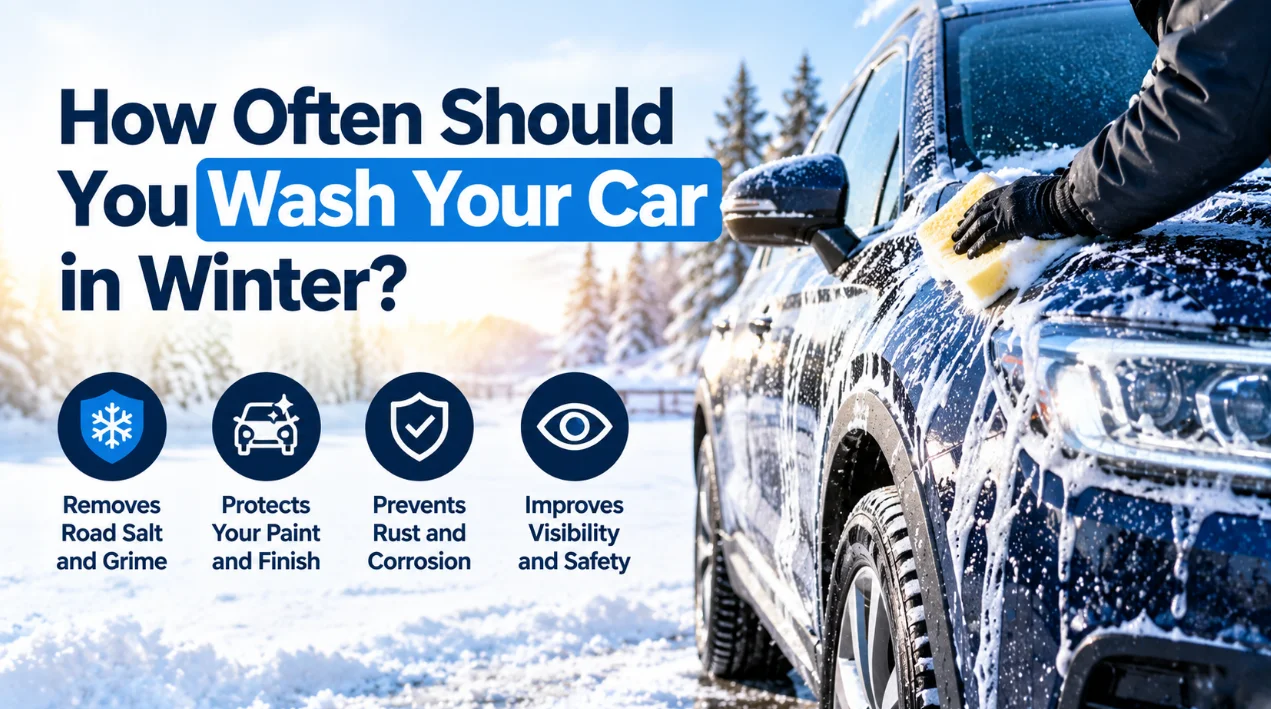
How Often Should You Wash Your Car in Winter?
How often should you wash your car in winter? Here's a practical schedule for Canadian drivers dealing with road salt and slush.