
How Cold Weather Affects Engine Oil
Cold weather thickens engine oil and makes cold starts harder on your engine. Here's why it happens and what Canadian drivers should do about it.
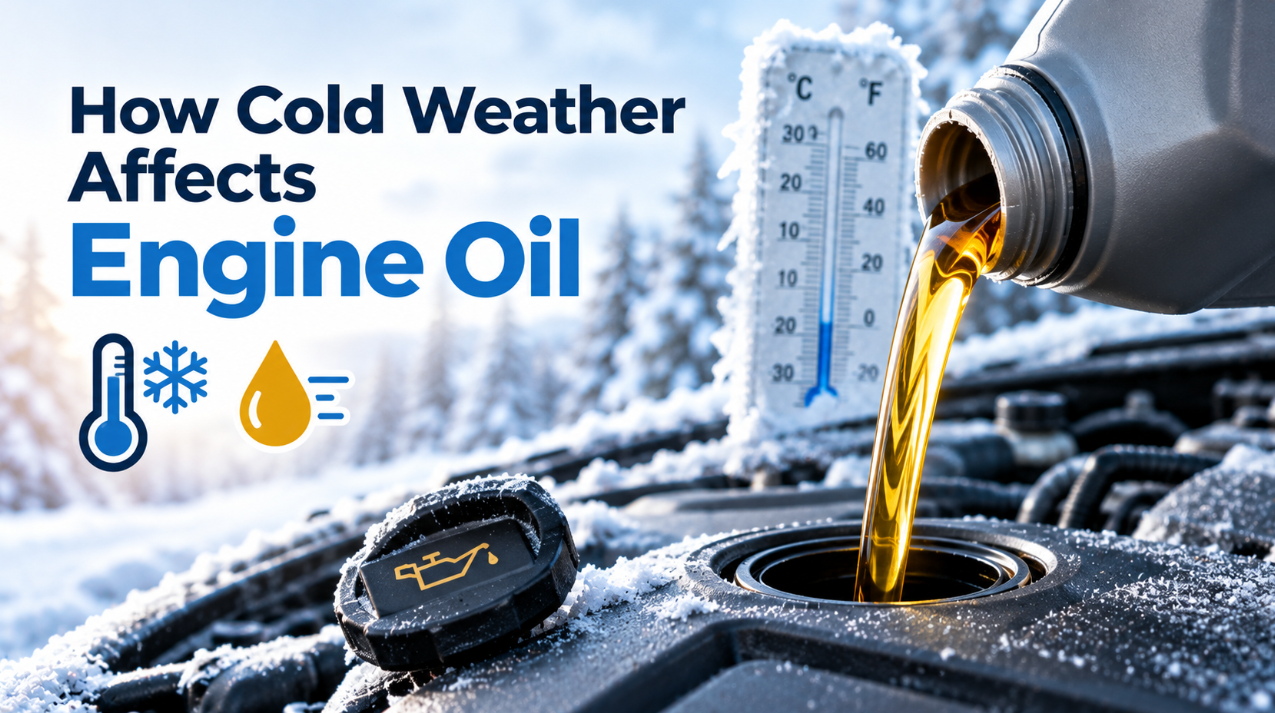
Cold weather makes engine oil thicker and slower to flow, which means it takes longer to reach every moving part of your engine after a cold start. This added resistance is part of why cold starts are harder on an engine, and why many manufacturers recommend a different oil viscosity for regions with harsh winters.
Engine oil is designed to flow within a certain temperature range, and its viscosity, essentially how thick or thin it is, changes with temperature by design. Understanding what happens to oil in the cold helps explain several other winter car issues, from harder starts to slightly reduced fuel economy in the first few minutes of a drive.
Why Cold Makes Oil Thicker
Motor oil naturally thickens as temperatures drop, similar to honey becoming harder to pour from the fridge than from the counter. Thicker oil doesn't circulate as easily through the engine's narrow oil passages, which means it takes longer for full lubrication to reach the top of the engine after startup, right when parts are already under the most stress.
What "Multi-Grade" Oil Numbers Mean
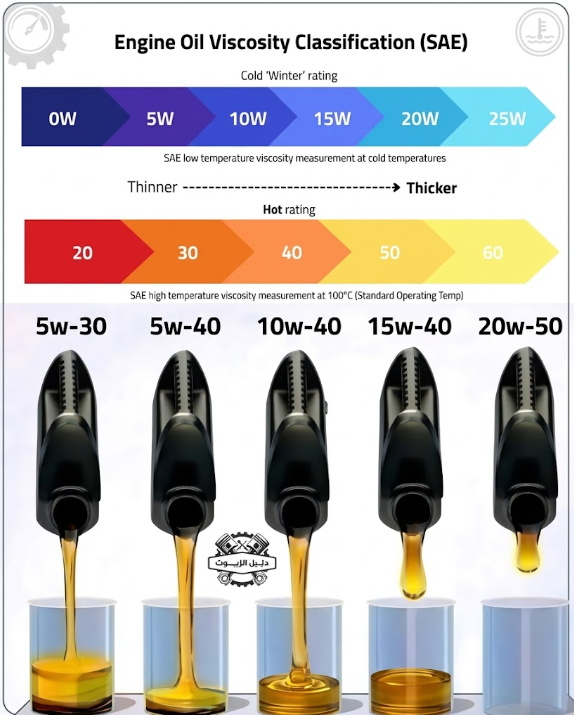
Most engine oils are labelled with two numbers, such as 5W-30, separated by a "W" for winter. The first number describes how the oil flows in the cold: a lower number (like 0W or 5W) means the oil stays more fluid in low temperatures. The second number describes viscosity at normal operating temperature. For harsh winters, some manufacturers recommend a lower first number than they do for warmer climates — always check your owner's manual for your specific vehicle's approved range rather than guessing.
How This Affects Your Engine and Starter
Thicker cold oil means the starter motor has to work harder to turn the engine over, at the same moment your battery is already producing less power in the cold. This combination is part of why cars struggle to start in cold weather, and why a marginal battery that was fine in autumn can fail once oil and battery performance both work against it in January.
Does Cold Oil Affect Fuel Economy?
Yes, to a degree. Thicker oil creates more internal friction until the engine warms up, which is one of several reasons fuel economy drops in cold weather. This effect is temporary and fades once the engine reaches normal operating temperature, but it's more noticeable on short trips where the engine barely has time to warm up.
Synthetic vs. Conventional Oil in the Cold
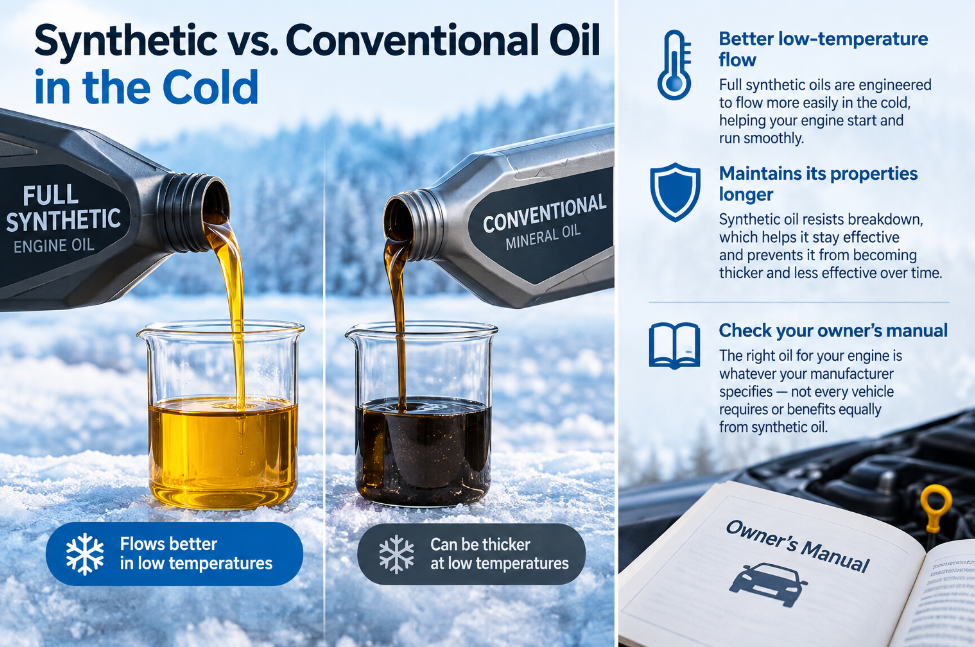
Full synthetic oils are generally engineered to flow better at low temperatures than conventional mineral oils of the same viscosity grade, which is part of why many manufacturers now specify synthetic oil as the standard fill for their engines. Synthetic oil also tends to maintain its properties for longer, resisting the breakdown that can make oil thicker and less effective than its label suggests as it ages. That said, the specific oil approved for your engine is whatever your owner's manual specifies — not every vehicle requires or benefits equally from synthetic oil, so it's worth checking rather than assuming.
Does Extreme Cold Change How I Should Drive Right After Starting?
Yes, in a small but meaningful way. Right after a cold start, oil hasn't fully circulated to every part of the engine yet, even once the engine is running. Many mechanics recommend easing into driving gently for the first minute or two, rather than accelerating hard immediately, to give the oil time to reach full flow. You don't need to idle for an extended period first; modern engines are designed to warm up while being driven gently, and unnecessary long idling wastes fuel without meaningfully helping the oil.
What Canadian Drivers Should Do
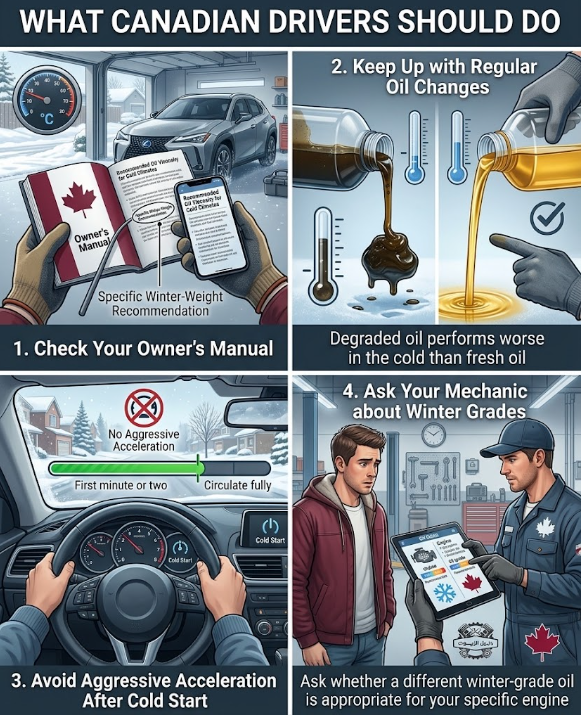
Check your owner's manual for the manufacturer's recommended oil viscosity for cold climates — some vehicles have a specific winter-weight recommendation.
Keep up with regular oil changes; degraded oil performs worse in the cold than fresh oil of the same grade.
Avoid aggressive acceleration in the first minute or two after a cold start, giving the oil time to circulate fully.
If you consistently drive in extreme cold, ask your mechanic whether a different winter-grade oil is appropriate for your specific engine.
Does Every Vehicle Need a Different Oil for Winter?
No. Many modern vehicles are designed to use the same oil grade year-round across a wide temperature range, and manufacturers account for typical seasonal swings when they set their recommendations. The exception tends to be vehicles operated in especially extreme or sustained cold, such as parts of the North or the Prairies during a deep-freeze stretch, where a manufacturer may list an alternate cold-weather viscosity in the owner's manual. If your manual only lists one oil grade with no cold-weather alternative, that grade is designed to work across your vehicle's expected range, including winter.
Warning Signs Linked to Oil in Cold Weather
A louder or rougher-sounding engine specifically on cold starts, which can point to oil that's too thick, too old, or too low
An oil pressure warning light appearing briefly on startup in extreme cold, though this should clear quickly once the engine is running — if it doesn't, stop and have it checked
Noticeably reduced fuel economy that's more pronounced than usual for the season
Any oil pressure warning that doesn't clear within a few seconds of starting the engine should be treated seriously and is not something to keep driving on.
Block Heaters and Oil Performance
A block heater, common in many Canadian climates, keeps the engine block and the oil inside it warmer overnight, which means the oil is already closer to a workable viscosity by the time you start the car. This reduces the strain on both the oil and the starter motor during a cold start, and it's one of the more effective, low-cost tools available to drivers who regularly face extreme overnight lows. If your vehicle came with a block heater and you've never used it, plugging it in during a deep cold snap is worth doing, typically for two to four hours before you plan to drive.
Related Reading
For the timing question many drivers ask next, see our guide on when to change your engine oil in winter, and check out our full winter car fluids guide for how oil fits alongside coolant, washer fluid and other winter essentials.
About the author
NorthGrip Admin
Editor-in-chief at NorthGrip Auto.
Stay Winter-Ready
Get more winter driving tips and car care guides in your inbox.
Read Next
How to Choose the Right Winter Car Battery
Not all car batteries handle Canadian winters equally well. Here's what to look for, including cold cranking amps, size and battery type.
How to Prevent Your Car Doors From Freezing Shut
Frozen car doors are a common winter problem. Here's how to prevent your doors, locks and seals from freezing shut before it happens.

How Often Should You Wash Your Car in Winter?
How often should you wash your car in winter? Here's a practical schedule for Canadian drivers dealing with road salt and slush.