
How to Prepare Your Brakes for Winter Driving
Preparing your brakes for winter driving means checking pads, fluid and rotors before the snow arrives. Here's what Canadian drivers should look for.
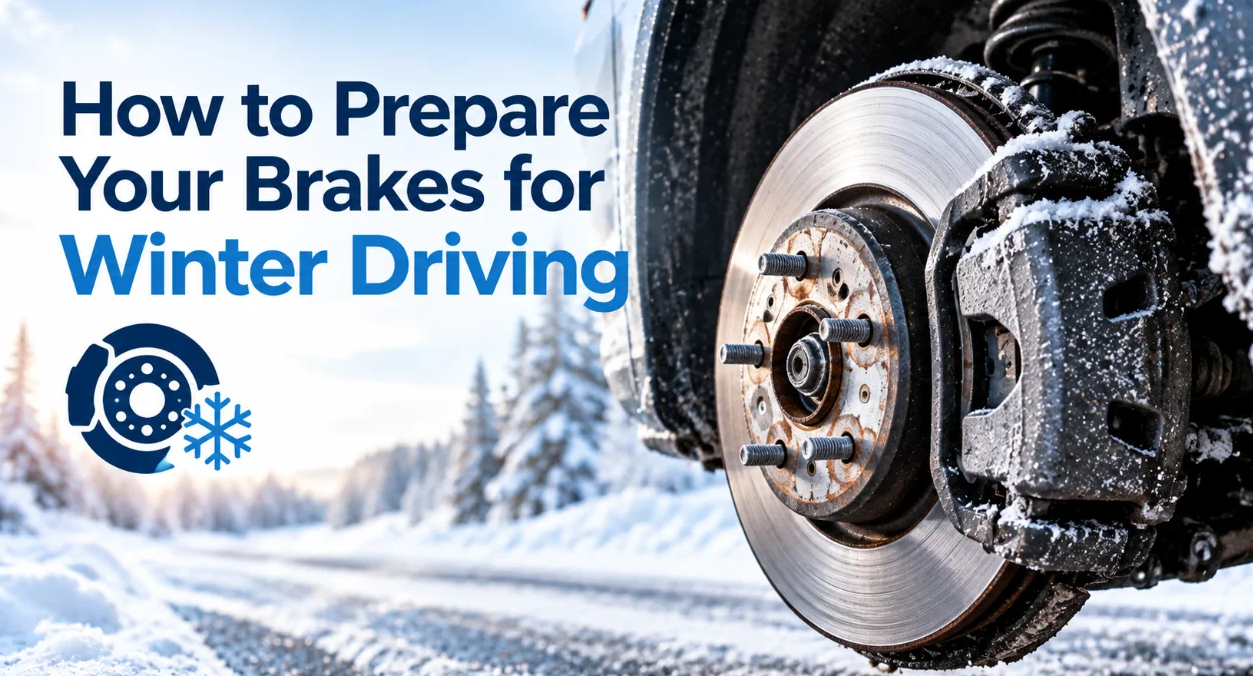
Preparing your brakes for winter comes down to three things: having them inspected for wear before the season starts, making sure the brake fluid is in good condition, and paying attention to any change in how the pedal feels once winter driving begins. Brakes that are already marginal in October are far more likely to cause problems once ice, slush and stop-and-go winter traffic enter the picture.
Braking distances increase significantly on snow and ice compared to dry pavement, which means any weakness in your braking system matters more in winter than at any other time of year. Here's how to get your brakes ready.
Have Your Brakes Inspected Before Winter
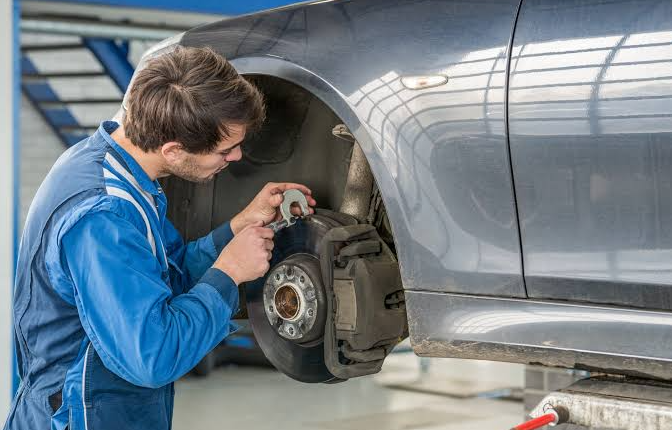
A pre-winter inspection typically checks pad thickness, rotor condition, and the brake fluid, and takes most shops well under an hour. This is worth doing even if you haven't noticed any problems, since brake pads wear gradually and it's easy not to notice reduced stopping performance until you need to brake hard.
Warning Signs Not to Ignore
Squealing or grinding noises when braking
A pedal that feels softer, harder, or lower than usual
Vibration or pulsing through the brake pedal
The vehicle pulling to one side when braking
A brake warning light on the dashboard
Any of these are reasons to have your brakes checked promptly, ideally before the first snowfall rather than after.
Brake Fluid Matters Too
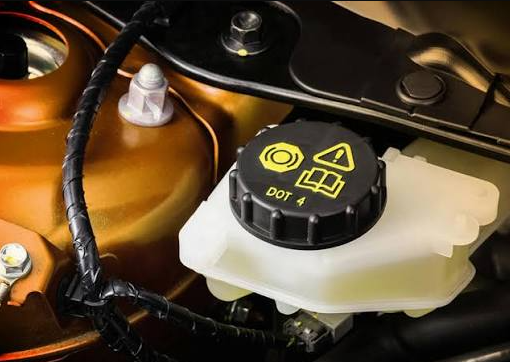
Brake fluid absorbs moisture from the air over time, which can lower its boiling point and, in more advanced cases, contribute to corrosion inside the brake system. Most manufacturers recommend flushing brake fluid on a set interval regardless of season — check your owner's manual, and mention it to your mechanic during a winter service visit if you're not sure when it was last done. Our winter car fluids guide covers brake fluid alongside the other fluids worth checking before winter.
How to Brake Safely Once Winter Arrives
Well-maintained brakes still need the right technique on snow and ice. If your vehicle has anti-lock brakes, apply firm, steady pressure and let the system pulse for you rather than pumping the pedal yourself. For a full breakdown of braking, steering and accelerating safely in winter conditions, see our guide on how to drive safely on ice and snow.
Winter-Specific Brake Wear Factors
Factor | Why It Matters |
|---|---|
Road salt | Can accelerate corrosion on brake lines and hardware over time |
Stop-and-go winter traffic | More frequent braking wears pads faster |
Ice buildup around calipers | Can occasionally affect brake feel until it clears |
Anti-Lock Brakes (ABS) in Winter
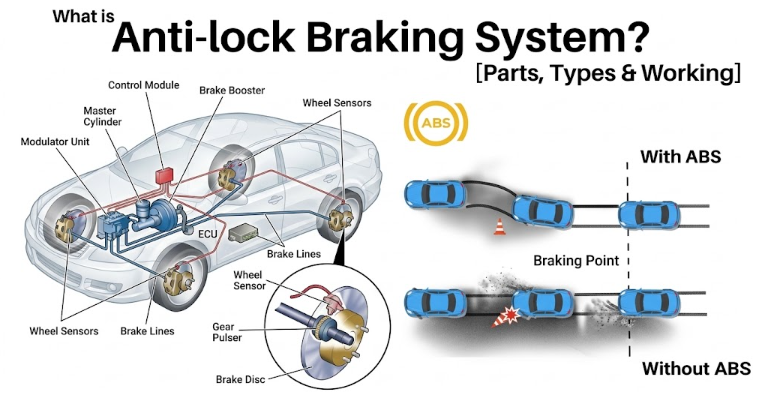
Most vehicles on the road today have anti-lock brakes, which are designed specifically to help maintain steering control while braking hard on slippery surfaces. When ABS activates, you'll typically feel a pulsing sensation through the brake pedal and may hear a mechanical noise — this is normal and means the system is working as intended, not a sign of a problem. The correct response is to keep firm, steady pressure on the pedal and let the system do its job, rather than releasing and reapplying the brakes yourself.
Parking Brake Checks
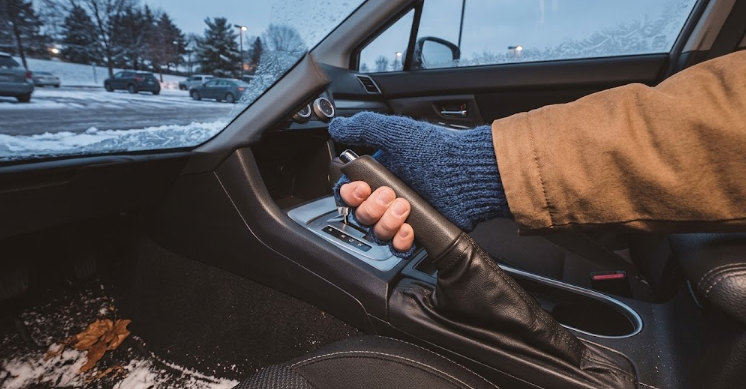
The parking brake is easy to overlook, but it's worth testing before winter, especially if your vehicle is ever parked on an incline or left outside for extended periods in the cold. A parking brake that's rarely used can occasionally stick or freeze in place if moisture gets into the mechanism and then freezes; using it periodically through the winter, rather than relying solely on "Park" in an automatic transmission, can help keep the mechanism functioning properly.
How Much Does a Brake Inspection Cost?
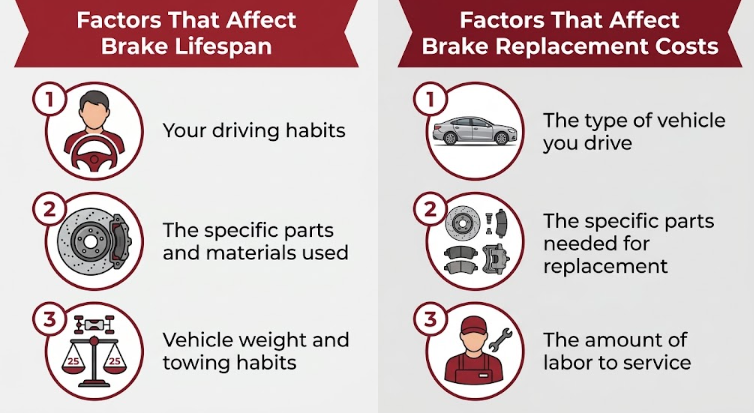
A basic visual brake inspection is often offered free or at low cost by many shops, particularly when paired with a tire change or oil service. Full brake service, including new pads or rotors if needed, varies more widely in cost depending on your vehicle and the extent of the work. Getting an inspection first, rather than assuming a full service is needed, helps you understand exactly what your vehicle requires before committing to a repair.
How Winter Tires Affect Braking
Even with perfectly maintained brakes, the tires are what actually transfer braking force to the road. Winter tires, with their softer rubber compound and deeper tread, allow the same brake system to stop a vehicle in a meaningfully shorter distance on snow and ice compared to all-season tires. This is worth keeping in mind if you're budgeting for winter readiness: brake maintenance and appropriate tires work together, and neglecting either one limits the benefit of the other. See our comparison of winter tires vs. all-season tires for more on this relationship.
Brake Maintenance for Different Vehicle Types
Heavier vehicles, like larger trucks and SUVs, generally place more demand on their braking systems and may show wear sooner than smaller, lighter vehicles under similar driving conditions. Vehicles that tow trailers, even occasionally, put extra strain on brakes and are worth inspecting a bit more frequently. If your vehicle falls into either of these categories, mentioning your typical use, towing, heavy cargo, frequent stop-and-go driving, to your mechanic can help them recommend an appropriate inspection interval rather than a generic one.
Add Brakes to Your Winter Routine
Brake checks are one part of a bigger seasonal routine. Add a quick brake check to your monthly winter maintenance checklist, and review our 10 essential winter car safety tips for the broader set of habits that keep braking distances as short as possible when conditions turn slippery.
Frequently Asked Questions
Is it normal for brakes to feel different in very cold weather?
A very slight change in initial pedal feel on an extremely cold morning isn't unusual and often clears up within the first few minutes of driving. A persistent change, a longer pedal, or any noise is worth having checked rather than assumed to be normal.
Can I inspect my own brake pads at home?
On many vehicles you can get a rough visual check of pad thickness through the wheel spokes, but a proper inspection usually requires removing the wheel, which is best left to a shop unless you're comfortable doing your own brake work.
About the author
NorthGrip Admin
Editor-in-chief at NorthGrip Auto.
Stay Winter-Ready
Get more winter driving tips and car care guides in your inbox.
Read Next
How to Choose the Right Winter Car Battery
Not all car batteries handle Canadian winters equally well. Here's what to look for, including cold cranking amps, size and battery type.
How to Prevent Your Car Doors From Freezing Shut
Frozen car doors are a common winter problem. Here's how to prevent your doors, locks and seals from freezing shut before it happens.
How Often Should You Wash Your Car in Winter?
How often should you wash your car in winter? Here's a practical schedule for Canadian drivers dealing with road salt and slush.