
The Best Winter Car Accessories for Canadian Drivers
From scrapers to jump starters, here are the winter car accessories Canadian drivers actually benefit from, with links to a full buying guide for each.
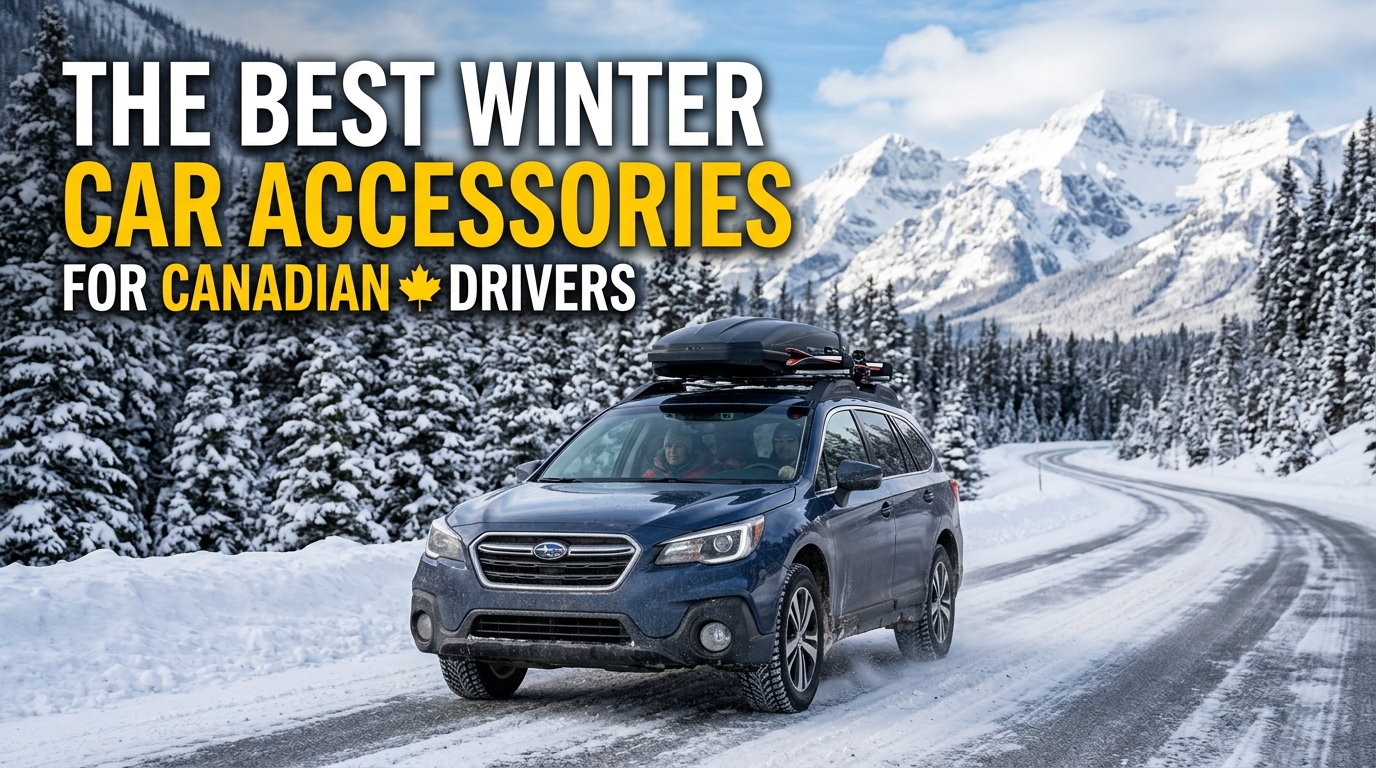
The winter car accessories that matter most for Canadian drivers are the ones that address genuinely common cold-weather problems: a snow brush and ice scraper for daily use, winter-rated washer fluid and wiper blades for visibility, a portable jump starter and tire inflator for roadside self-sufficiency, tire chains if your routes call for them, and an emergency blanket as part of a broader safety kit. Rather than buying everything at once, prioritizing based on your specific driving and region makes for a more useful, less cluttered kit.
This guide brings together the accessories worth considering for a Canadian winter, with a link to a full, dedicated buying guide for each so you can dig into the details that matter for your situation.
Daily Winter Driving Essentials
Snow brush and ice scraper: Used almost every winter morning; see our guide on choosing the best snow brush and ice scraper.
Winter windshield wipers: Standard blades struggle with snow and ice buildup; see our guide on choosing winter windshield wipers.
Winter-rated washer fluid: Regular fluid can freeze on contact with cold glass; see our guide on choosing the right winter windshield washer fluid.
Roadside Self-Sufficiency
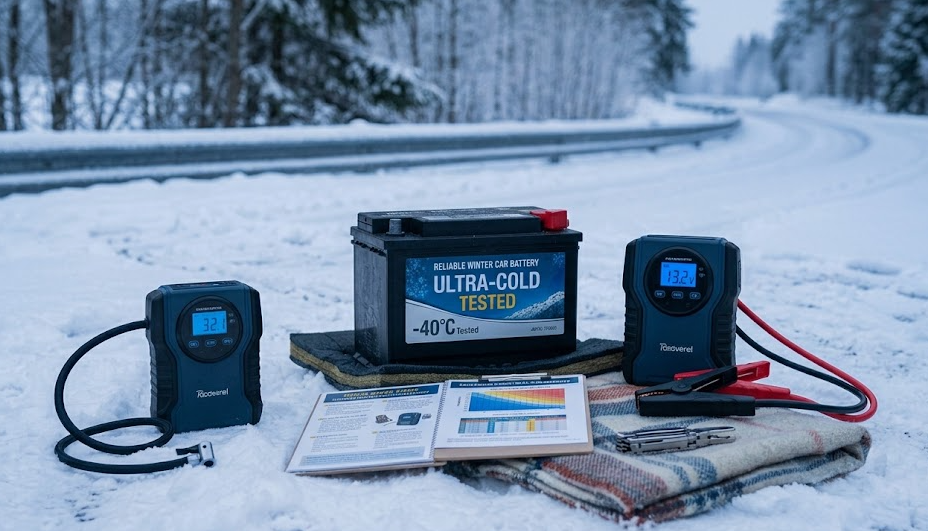
Portable jump starter: A practical backup for cold-weather battery failures; see our guide on choosing an emergency car jump starter.
Portable tire inflator: Useful given how much tire pressure drops in cold weather; see our guide on what to look for in a portable tire inflator.
A reliable winter car battery: The foundation everything else backs up; see our guide on choosing the right winter car battery.
Safety and Emergency Preparedness
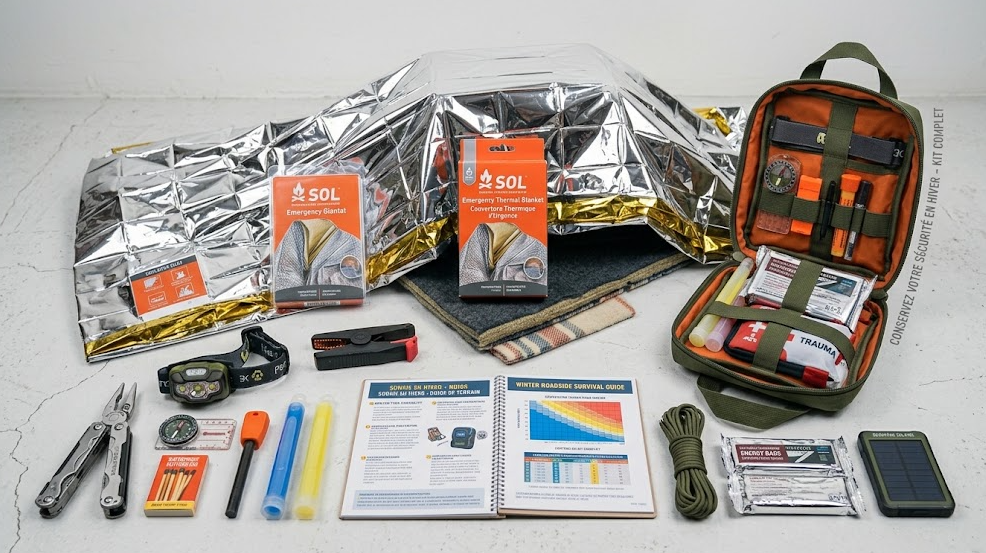
Emergency blanket: A core item for staying warm if you're ever stranded; see our guide on what to look for in a winter car emergency blanket.
Complete emergency kit: Blankets, food, a shovel and more, organized in one place; see our complete winter car emergency kit checklist.
For Specific Regions and Routes
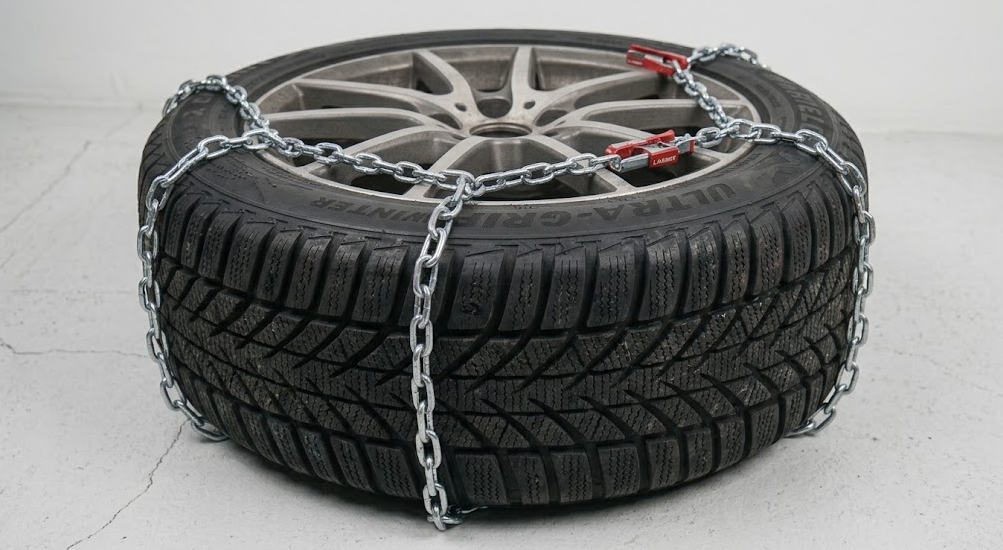
Tire chains: Essential on certain mountain highways with posted requirements; see our guide on choosing the right tire chains for winter driving.
Winter tires: The single highest-impact "accessory" for most drivers, though technically a full tire set rather than an add-on; see our comparison of winter tires vs. all-season tires.
Prioritizing What to Buy First
If Your Priority Is… | Start With |
|---|---|
Daily convenience | Snow brush/scraper, winter wipers, washer fluid |
Breakdown prevention | A quality battery and a jump starter as backup |
Long trips and remote driving | Emergency kit, blanket, tire inflator, and chains if relevant to your route |
Mountain or rural routes | Tire chains and winter tires, checked against posted regional requirements |
Accessories for Specific Vehicle Types
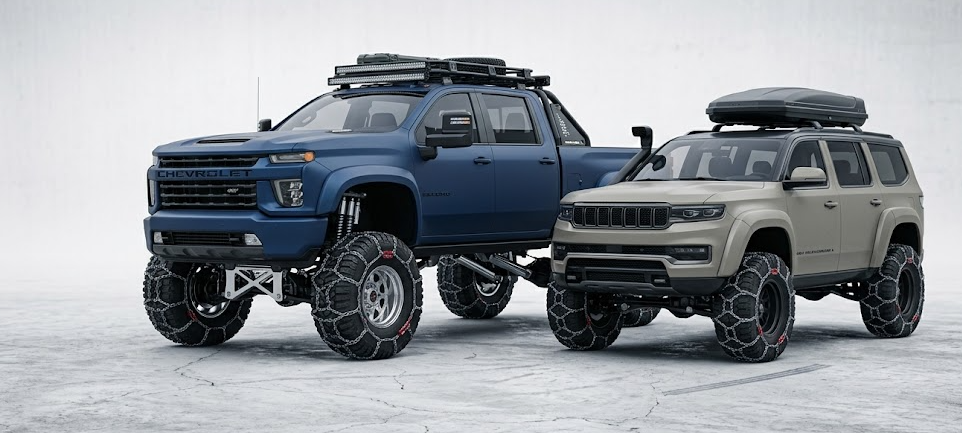
Some accessories matter more depending on your vehicle. Larger trucks and SUVs with taller rooflines may benefit from an extended-reach snow brush, while vehicles with auto start-stop systems often require a specific battery type, covered in our battery buying guide. If you tow or drive a diesel-powered vehicle, jump starter requirements and tire chain regulations can also differ from a standard passenger car, so check the specific guidance in each linked article for your situation.
Seasonal Timing for Buying Accessories
Many of these items are easiest to find, and sometimes better priced, in early autumn before winter demand picks up. Waiting until the first major snowstorm to shop for a snow brush or washer fluid often means picked-over shelves and less selection. Building your kit gradually starting in September or October, rather than reactively once winter has already arrived, tends to work out better.
Accessories Aren't a Substitute for Maintenance
Good accessories complement, but don't replace, a properly maintained vehicle. Pairing this kit with the routine checks in our winter car maintenance checklist and the seasonal prep in our guide on preparing your car for a Canadian winter gives you a genuinely complete approach to the season, rather than just a well-stocked trunk.
Building Your Kit Gradually
You don't need to buy everything on this list at once. Many drivers build their winter kit gradually over a few seasons, prioritizing the items most relevant to their specific vehicle, region and driving habits first, and adding the rest as budget allows.
Frequently Asked Questions
What's the single most important winter accessory to start with?
For most drivers, a snow brush and ice scraper come first, since they're used almost daily, followed closely by winter-rated washer fluid and confirming your battery and tires are in good condition heading into the season.
Do I need all of these accessories if I rarely drive long distances?
Drivers who mostly do short, local trips still benefit from the daily-use items (brush, scraper, washer fluid, wipers) and basic breakdown preparedness (battery, jump starter), but may reasonably deprioritize items like tire chains or an extensive road-trip kit if their driving genuinely doesn't call for them.
How much should a complete winter accessory kit cost?
Costs vary widely depending on quality and how much you already own. Many drivers find that spreading purchases across a couple of seasons, rather than buying everything at once, makes the overall cost easier to manage while still building toward a genuinely complete kit.
Should I buy accessories separately or as a pre-made winter kit?
Pre-made kits can be a convenient starting point and are often reasonably priced for what's included, but they sometimes include lower-quality versions of individual items compared to buying each one separately based on the specific guidance in the linked buying guides above. Consider a pre-made kit as a base to build on rather than a final, complete solution.
Where's the best place to buy most of these accessories?
Auto parts retailers, hardware stores and general retailers with a seasonal section all typically carry most of these items, with auto parts specialists usually offering the most knowledgeable staff for anything involving fit or vehicle-specific compatibility, like batteries and chains.
Are there accessories on this list I can skip entirely?
Possibly, depending on your situation. A driver who never travels mountain routes can reasonably skip tire chains, and someone who always parks in a heated garage may deprioritize some cold-specific items. Use the region and driving-type guidance throughout this list to judge what's genuinely relevant to you.
About the author
NorthGrip Admin
Editor-in-chief at NorthGrip Auto.
Stay Winter-Ready
Get more winter driving tips and car care guides in your inbox.
Read Next
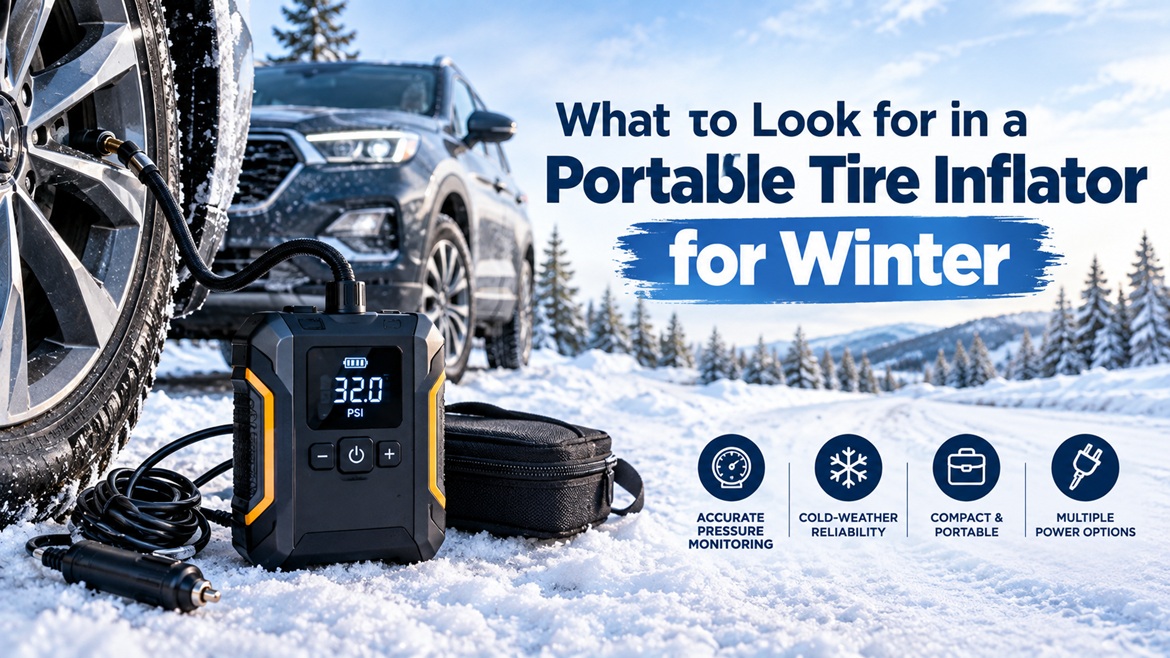
What to Look for in a Portable Tire Inflator for Winter
Cold weather drops tire pressure fast. Here's what to look for in a portable tire inflator to keep your tires properly inflated all winter.
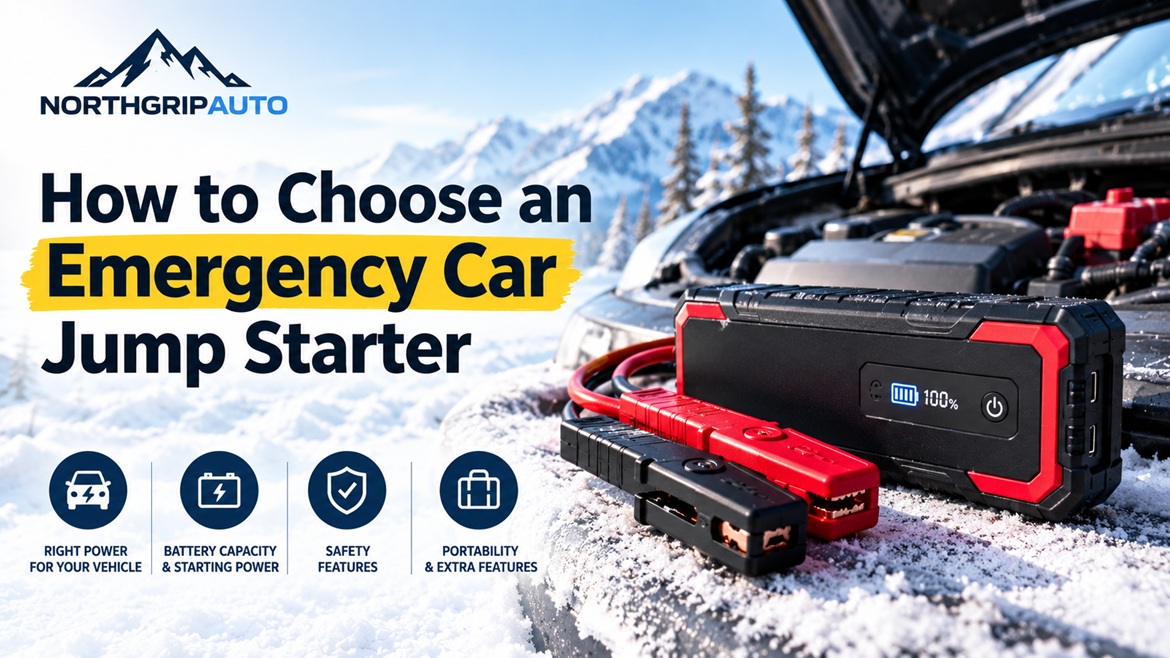
How to Choose an Emergency Car Jump Starter
A portable jump starter can save your morning if your battery dies in the cold. Here's what to look for before buying one.
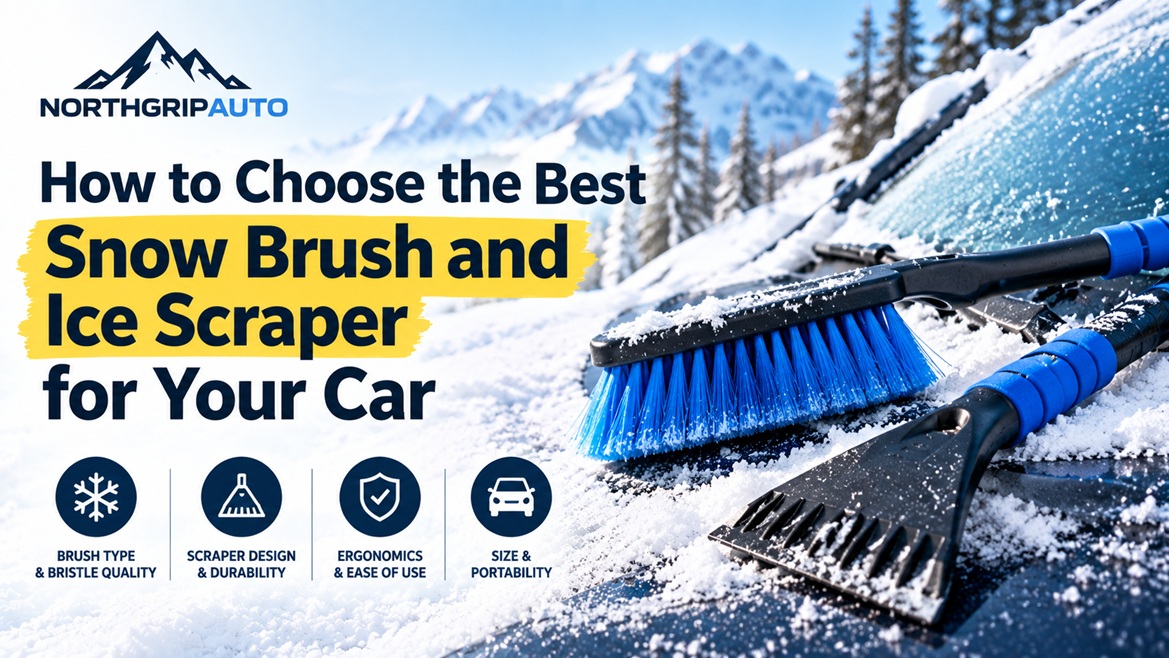
How to Choose the Best Snow Brush and Ice Scraper for Your Car
A good snow brush and ice scraper make winter mornings faster and safer. Here's what to look for before you buy either one.