
What to Look for in a Winter Car Emergency Blanket
A good emergency blanket can matter a lot if you're ever stranded in the cold. Here's what to look for before you buy one for your car.
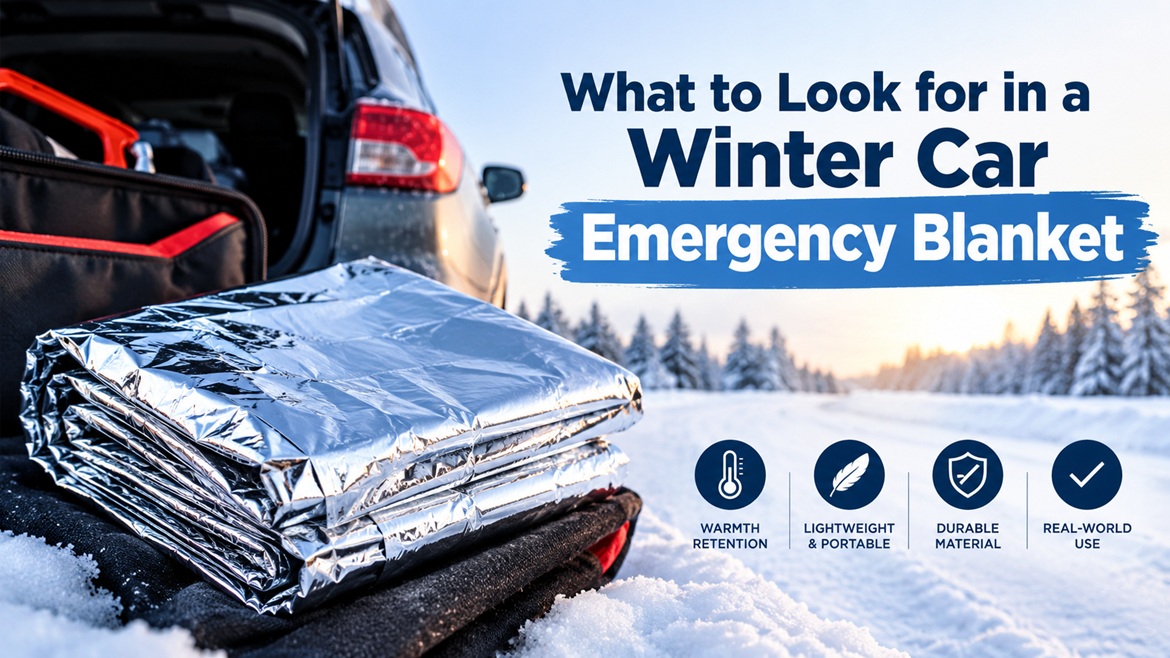
A good winter car emergency blanket should be genuinely warm rather than purely a thin emergency foil sheet, large enough to fully cover an adult, compact enough to store easily in the vehicle, and durable enough to withstand being stored through temperature swings and repeated use over several winters. Emergency thermal blankets and heavier fleece or wool blankets each serve a slightly different purpose, and knowing the difference helps you choose the right one, or both.
If you're ever stranded in cold weather, whether from a breakdown, a highway closure, or getting stuck, a blanket is one of the simplest and most effective ways to retain body heat while you wait for help.
Types of Emergency Blankets
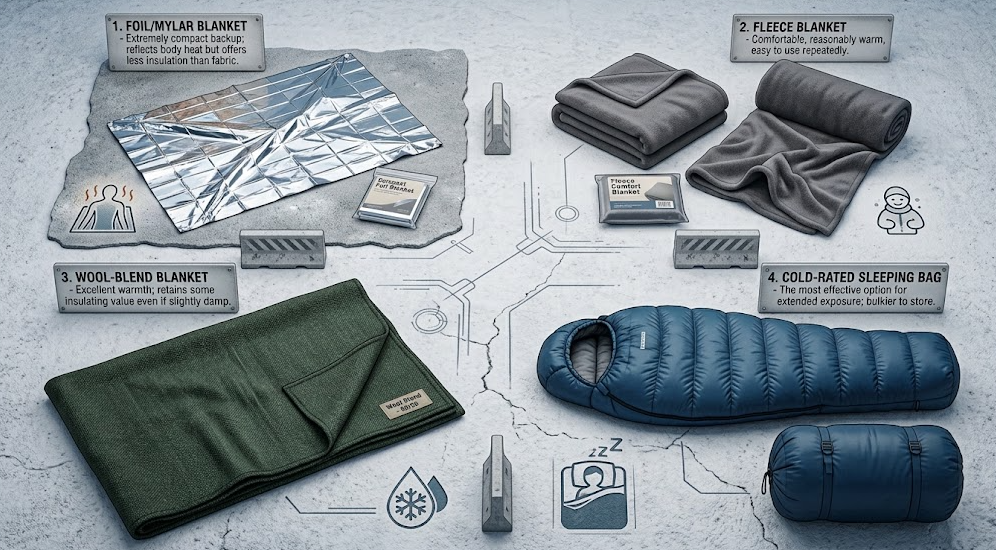
Type | Best For |
|---|---|
Foil/mylar emergency blanket | Extremely compact backup; reflects body heat but offers less insulation than fabric |
Fleece blanket | Comfortable, reasonably warm, easy to use repeatedly |
Wool or wool-blend blanket | Excellent warmth and retains some insulating value even if slightly damp |
Sleeping bag rated for cold temperatures | The most effective option for extended exposure, though bulkier to store |
Why Foil Blankets Alone May Not Be Enough
Thin foil emergency blankets are valuable precisely because they're compact and lightweight, making them easy to keep as a backup, but they provide less genuine warmth than a proper fabric blanket for a longer wait in serious cold. Many safety guides recommend keeping a foil blanket as a backup within your kit while also carrying a heavier blanket or sleeping bag as your primary source of warmth.
Size Considerations
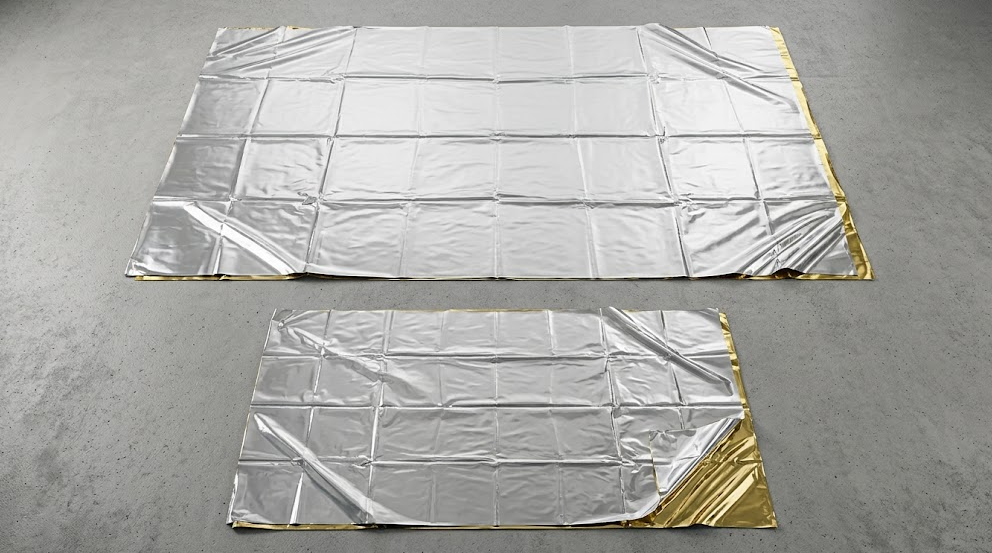
A blanket that's too small to fully wrap around an adult leaves gaps where heat escapes. Check the dimensions before buying, and consider that a blanket adequate for one person may not be enough if you regularly travel with passengers; keeping one blanket per regular occupant, or one large enough to share, is worth considering for a family vehicle.
Storage and Durability
A blanket left in a vehicle experiences repeated temperature swings, humidity, and general wear from being moved around the trunk. Look for materials that hold up to this kind of storage without significant degradation, and store it in a sealed bag if you're concerned about moisture, since a damp blanket is considerably less effective at retaining warmth.
How It Fits Into Your Emergency Kit
A blanket is most effective as part of a broader kit rather than the sole item you're relying on. See our complete winter car emergency kit checklist for the full list of items worth carrying alongside it, and our guide on what to do if you're stuck on a winter highway for how a blanket fits into staying safe during an extended roadside wait.
Blankets for Children and Pets
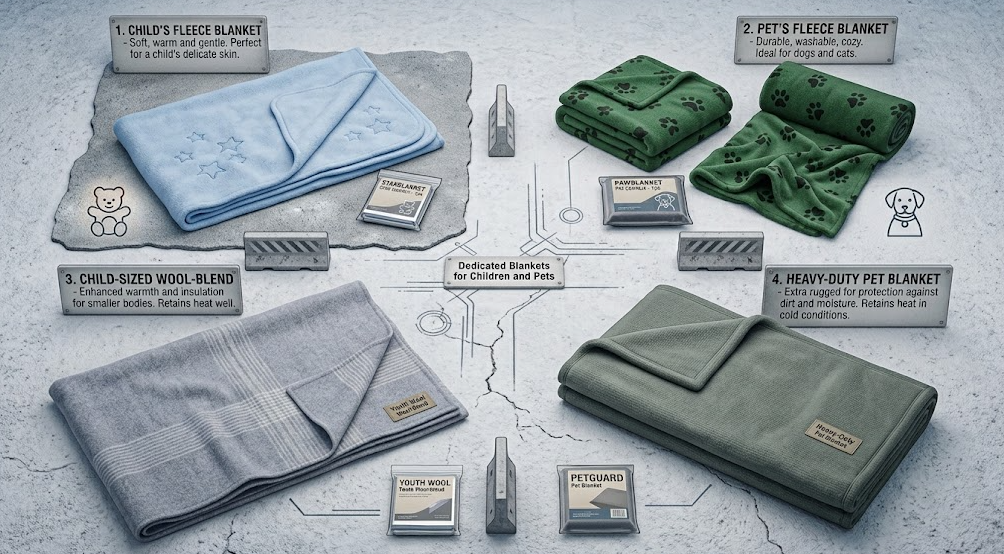
If you regularly travel with children or pets, consider whether your existing emergency blankets are appropriately sized and warm enough for them specifically, rather than assuming a single adult-sized blanket covers everyone's needs in an emergency. A smaller, dedicated blanket for a child's car seat area, kept alongside the main kit, is a reasonable addition for families.
Colour and Visibility Features

A blanket in a bright colour, such as orange or red, offers a secondary benefit: it can double as a visibility aid if you need to signal for help or make yourself more noticeable near a roadside, in addition to its primary warmth function. This isn't essential, but it's a reasonable factor to consider between two otherwise similar options.
Packability and Where to Store It
A blanket that compresses into a small stuff sack takes up less trunk space than one left loose, and keeping it in a dedicated spot, rather than loose among other trunk items, means you can find it quickly in an actual emergency rather than searching under other gear in poor light or cold conditions.
Replacing an Aging Blanket
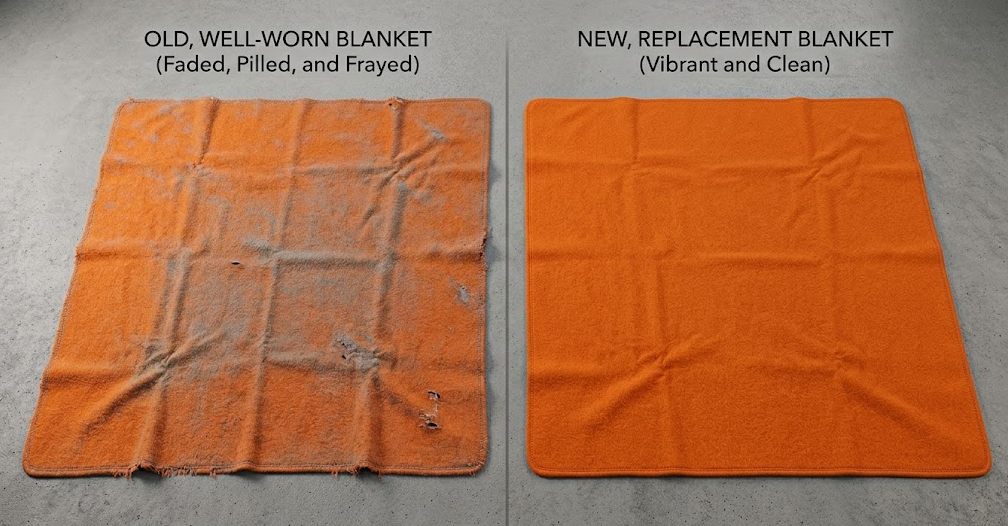
Fabric blankets can lose loft and insulating capability over years of storage and use, even without visible damage. If your emergency blanket has been in the vehicle for many winters, it's worth checking its condition, or simply replacing it, rather than assuming it performs the same as when new.
Frequently Asked Questions
Is a wool blanket better than a synthetic fleece blanket?
Wool retains more of its insulating value than many synthetic materials if it becomes damp, which can matter in a snowy or wet emergency situation. Fleece is lighter, often less expensive, and dries faster, making it a reasonable choice for many drivers as long as it stays dry.
Can I use a regular household blanket instead of a purpose-made emergency one?
A regular blanket kept in the vehicle can absolutely work for warmth, as long as it's reasonably warm, appropriately sized and stored somewhere it won't be damaged by moisture or extreme temperature swings over time. Purpose-made options simply take some of the guesswork out of choosing one.
Should I keep more than one blanket in the vehicle?
For families or anyone who regularly drives with passengers, keeping more than one blanket, or one large enough to share, is a reasonable precaution rather than assuming a single blanket meant for one person will be sufficient for everyone in an emergency.
Are heated blankets that plug into the vehicle a good option?
Electric blankets that plug into a 12V outlet can provide effective warmth while the engine is running, but they're not a substitute for a standard blanket, since they stop working if the vehicle's battery is dead or the engine isn't running, which is often exactly the scenario an emergency blanket needs to cover.
Should I keep the blanket in its original packaging?
Removing excess packaging and storing the blanket in a simple, resealable bag or its compression sack, in a spot you'll remember, is generally more practical than leaving it in retail packaging that isn't designed for long-term vehicle storage.
How often should I check on my emergency blanket's condition?
Once a season is reasonable for most drivers, simply unpacking it briefly to confirm it's still in good condition, dry, and free of any damage from being stored among other trunk items, then repacking it properly.
About the author
NorthGrip Admin
Editor-in-chief at NorthGrip Auto.
Stay Winter-Ready
Get more winter driving tips and car care guides in your inbox.
Read Next
What to Do if Your Car Gets Stuck on a Winter Highway
Stranded on a highway during a storm or closure? Here's how to stay safe and warm if your car gets stuck on a winter highway in Canada.
How to Drive Safely During a Winter Storm
From heavy snow to sudden whiteouts, here's how to drive safely during a winter storm in Canada, and when it's safer to simply pull over.
How to Defrost Your Car Quickly and Safely
Running late with a frozen car? Here's how to defrost your car quickly and safely, including what to do after a full ice storm.