
How to Choose the Right Winter Windshield Washer Fluid
Not all washer fluid is rated for Canadian winters. Here's how to choose the right winter windshield washer fluid and avoid a frozen reservoir.
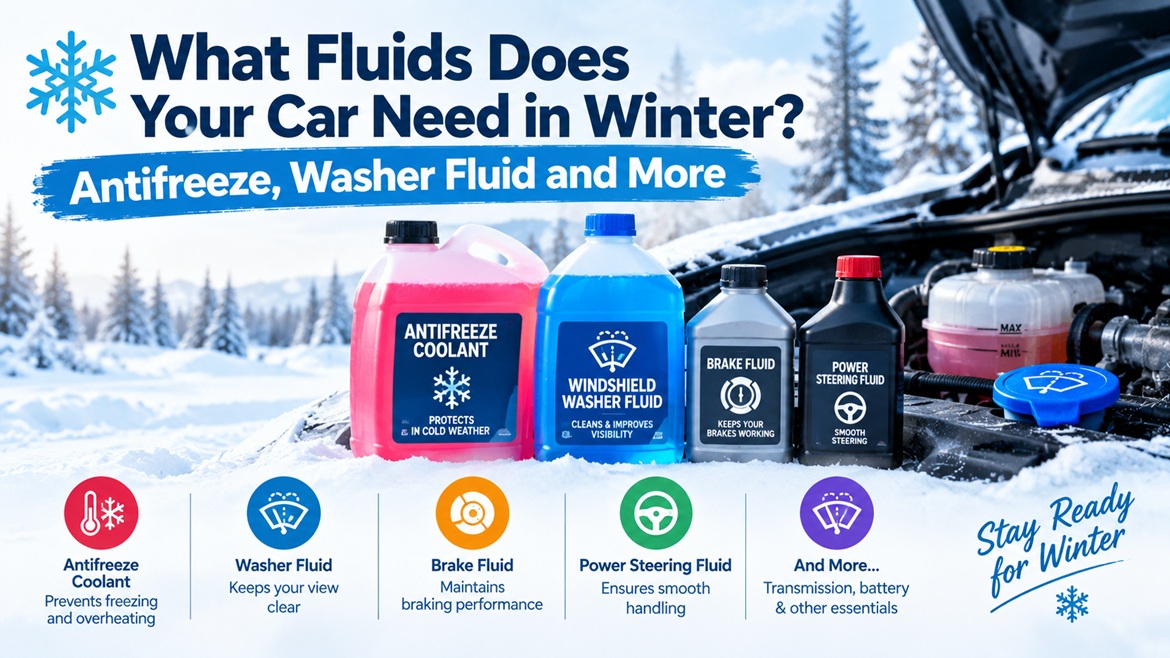
The right winter windshield washer fluid for most of Canada is one rated to at least -40°C, clearly labelled as a winter or all-season formula rather than a generic summer fluid, and, ideally, one that includes a de-icing agent to help clear light frost on contact. Using a fluid that isn't rated cold enough for your region is one of the most common, and easily avoidable, causes of a frozen washer system in winter.
Washer fluid seems like a minor purchase, but the wrong choice can leave you with a frozen reservoir, frozen lines, or a windshield smeared with fluid that doesn't actually clear road grime in the cold. Here's what to look for.
Understanding the Temperature Rating
Washer fluid is sold with a temperature rating printed on the jug, usually the lowest temperature at which the fluid itself stays liquid and functional. Fluids rated only to around -20°C or -23°C are common on store shelves and can be perfectly fine for milder regions, but they can freeze solid during a genuine cold snap in much of the country. Look specifically for a rating of -40°C for reliable winter performance across most of Canada, particularly in the Prairies, Northern Ontario and other regions with harsh cold spells.
Types of Winter Washer Fluid
| Type | Best For |
|---|---|
| Standard winter fluid (-40°C rated) | General winter use across most of Canada |
| De-icing formula | Areas with frequent light frost or freezing drizzle |
| Bug/bird dropping remover blends | Better suited to summer; less relevant for winter driving |
| Concentrate (mixed with water) | Cost savings, but check the mixed freezing point, not just the concentrate's rating |
Why Concentrated Fluid Needs Extra Care
Concentrated washer fluid, mixed with water before use, can be more economical, but the freezing point of the final mixture depends on how much water you add. Diluting it more than the manufacturer recommends to save money can push the effective freezing point above what you actually need for your climate, defeating the purpose of buying a winter-rated product in the first place.
De-Icing Additives
Some winter washer fluids include additives specifically designed to help melt light frost or thin ice on contact, going beyond just cleaning the glass. These can be genuinely useful for clearing a light morning frost without needing to scrape first, though they're not a substitute for a proper scraper on thicker ice or snow; see our guide on removing ice from your windshield safely for the full process.
Switching From Summer to Winter Fluid
If your reservoir still has summer-rated fluid in it heading into the cold season, top it up with winter fluid rather than assuming the mixture is fine; a small amount of summer fluid mixed with a larger amount of winter fluid is usually not a serious problem, but starting the season with a full reservoir of properly rated fluid is the safer approach. Some drivers run their washer fluid down closer to empty in late autumn specifically so they can start winter with a full tank of the right formula.
What Happens if the Wrong Fluid Freezes
If washer fluid freezes in the reservoir or lines, you'll typically notice no fluid spraying when you activate the washers, sometimes accompanied by a straining sound from the pump. Continuing to run the pump against frozen fluid or lines can damage the pump motor over time, so if you suspect a freeze, it's better to park somewhere warm and let it thaw rather than repeatedly trying to force it.
Where the Fluid Is Used Matters Too
Front washer systems get the most attention, but many vehicles also have a separate rear washer system for the back window or hatch, and some have headlight washers. Each of these uses the same reservoir on most vehicles, so choosing the right fluid protects the whole system, not just the front windshield spray.
Reading the Label Beyond the Temperature Rating
Beyond the freezing point, labels sometimes list additional claims like "streak-free," "bug removal," or "rain repellent" coatings. These are secondary to the cold-weather rating for winter use; a fluid with excellent bug-removal properties but a freezing point of only -20°C is still the wrong choice for a harsh Canadian winter, regardless of how well it cleans in milder weather.
Washer Fluid Is Part of a Bigger Fluid Checklist
Washer fluid is just one of several fluids that need winter-specific attention. See our winter car fluids guide for coolant, oil, brake fluid and more, and pair the right fluid with the right hardware using our guide on choosing winter windshield wipers.
Frequently Asked Questions
Can I make my own winter washer fluid at home?
Some drivers use a mix of water and rubbing alcohol as a low-cost alternative, since alcohol lowers the freezing point similarly to commercial fluid. Commercial winter fluid is formulated and tested for this purpose and is generally the more reliable and safer choice for regular use.
Does washer fluid go bad or expire?
Washer fluid doesn't spoil the way food does, but very old fluid, especially if it's been through multiple freeze-thaw cycles or contaminated with debris, can perform less effectively. If you're not sure how old your fluid is, starting the season with fresh fluid is inexpensive and removes the uncertainty.
Is blue washer fluid different from other colours?
Colour is mainly a branding and visibility choice rather than an indicator of temperature rating or formula. Always check the printed temperature rating and intended use rather than assuming a particular colour means a specific level of cold-weather protection.
Why does my washer fluid still streak even with a winter-rated product?
Streaking is often related to the wiper blades rather than the fluid itself, or to a dirty windshield with a film of old fluid residue and road grime. Cleaning the glass thoroughly with a dedicated glass cleaner, and checking wiper blade condition as covered in our winter windshield wiper guide, usually resolves streaking issues that persist despite good fluid.
How much washer fluid should I keep on hand?
Keeping at least one spare jug in the trunk through winter is a reasonable habit, since usage tends to increase significantly during storms and salty stretches of driving compared to summer, and running out unexpectedly during a storm is an avoidable inconvenience.
About the author
NorthGrip Admin
Editor-in-chief at NorthGrip Auto.
Stay Winter-Ready
Get more winter driving tips and car care guides in your inbox.
Read Next

The Best Winter Car Accessories for Canadian Drivers
From scrapers to jump starters, here are the winter car accessories Canadian drivers actually benefit from, with links to a full buying guide for each.
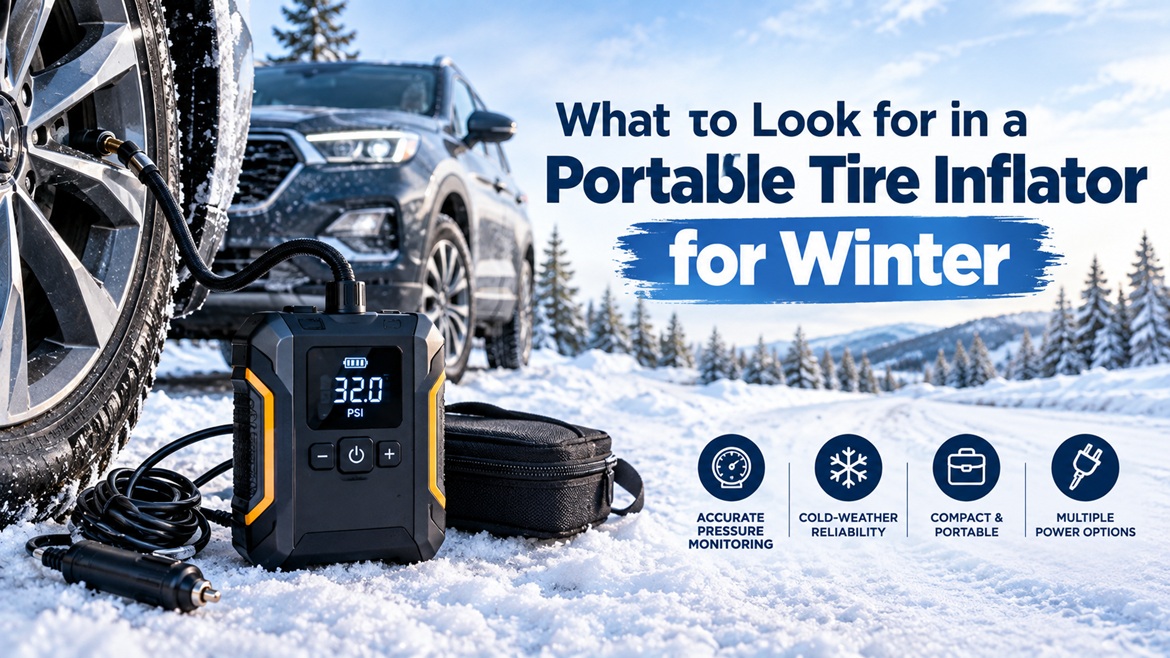
What to Look for in a Portable Tire Inflator for Winter
Cold weather drops tire pressure fast. Here's what to look for in a portable tire inflator to keep your tires properly inflated all winter.

How to Choose an Emergency Car Jump Starter
A portable jump starter can save your morning if your battery dies in the cold. Here's what to look for before buying one.