
How to Drive Safely During a Winter Storm
From heavy snow to sudden whiteouts, here's how to drive safely during a winter storm in Canada, and when it's safer to simply pull over.
Driving safely during a winter storm means slowing down significantly, keeping your headlights on, increasing following distance well beyond normal, and being prepared to pull off the road safely if visibility drops to near zero in a whiteout. Storms can change conditions from manageable to dangerous within minutes, which makes ongoing judgment more important than any single fixed rule.
Winter storms bring a mix of hazards at once: heavy snowfall, reduced visibility, wind-driven drifting snow, and sometimes sudden whiteout conditions where visibility drops almost entirely. Knowing how to handle each of these, and recognizing when driving isn't safe at all, is essential for winter road trips across Canada.
Before the Storm: Should You Even Be Driving?
Check weather warnings before setting out, and seriously consider postponing non-essential travel once a significant storm warning is in effect. If you must travel, tell someone your route and expected arrival time, make sure your fuel tank is topped up, and confirm your winter emergency kit is on board.
Driving in Heavy, Steady Snowfall
- Reduce speed well below the posted limit; braking and cornering both take longer on snow-covered roads
- Keep headlights on, even during the day, since visibility for other drivers matters as much as your own
- Increase following distance to eight seconds or more rather than the usual three
- Avoid unnecessary lane changes and sudden braking
What a Whiteout Is and Why It's Different
A whiteout happens when blowing or falling snow reduces visibility so severely that the horizon, road edges and even nearby vehicles become difficult or impossible to see. It's especially common on open highways in the Prairies and parts of Northern Ontario, where wind can lift snow off open fields with little warning, sometimes turning a clear road into a whiteout in seconds.
What to Do if You Encounter a Whiteout
- Slow down immediately, but avoid slamming the brakes, which can cause a following vehicle to strike you.
- Turn on your hazard lights so other drivers can see your position even at close range.
- If visibility becomes too low to safely continue, pull off the road as far as possible, ideally past the shoulder, rather than stopping in a travel lane.
- Once stopped safely off the road, keep your hazard lights on and wait for conditions to improve rather than trying to creep forward blindly.
- Avoid getting out of the vehicle to check your surroundings in a whiteout; the risk of being struck by another vehicle or becoming disoriented is significant.
Multi-vehicle collisions during whiteouts are almost always the result of drivers continuing to move at speed with little to no visibility, rather than pulling over and waiting.
If You Get Stranded During a Storm
Sometimes a storm closes a highway entirely or traffic comes to a complete stop for an extended period. See our guide on what to do if your car gets stuck on a winter highway for how to stay safe and comfortable if you're stopped for a long period during a storm.
Reading Road Conditions Ahead
Watch for the brake lights and behaviour of vehicles ahead of you as an early warning system; a vehicle suddenly slowing or losing control ahead often signals a patch of ice or a sudden drift of snow you haven't reached yet. Provincial road condition services (such as DriveBC, 511 Ontario, or Quebec 511) are worth checking before and, when safe to do so, during a longer trip.
After the Storm
Roads can remain hazardous well after snow stops falling, since plowing and salting take time and drifting snow can continue in windy conditions even after precipitation ends. Continue driving cautiously until road crews have had a reasonable chance to treat the roads, and check our broader guide on winter driving tips for Canadian roads for region-specific considerations.
Preparing Your Vehicle Before a Storm Warning
Once a storm warning is issued, a few quick checks make a real difference if you do end up needing to travel: confirm your fuel tank is at least half full, make sure your winter emergency kit is actually in the vehicle and not left at home, and clear any existing snow or ice from your vehicle before setting out rather than during the drive. If the storm is severe enough that widespread advisories are in effect, reconsider whether the trip can wait until conditions improve.
Storm Driving in Urban Areas vs. Rural Highways
Winter storms behave differently depending on where you're driving. In cities, the main challenges are usually reduced visibility, slower-moving traffic, and intersections that become slippery from repeated braking. On rural and open highways, wind-driven snow and whiteouts are a bigger factor, along with longer distances between services if you need help. Adjust your expectations and preparation based on which type of driving your storm trip actually involves.
When Schools and Businesses Close, Consider Doing the Same
Widespread closures of schools, non-essential government offices or businesses during a storm are a reasonable signal that conditions are considered serious by people who track them closely. Treating these closures as a cue to reconsider your own non-essential travel, rather than assuming your trip is the exception, is a sensible approach during a significant storm.
Frequently Asked Questions
Is it better to keep driving slowly or stop completely in a whiteout?
If you can safely reach the shoulder or a pull-off area, stopping there with hazards on is generally safer than continuing to creep forward with no visibility, which risks drifting out of your lane or into another vehicle without realizing it.
Should I follow another vehicle's taillights closely in low visibility?
No. Following closely reduces your reaction time if that vehicle brakes suddenly or loses control, which is a real risk in the same conditions affecting your own visibility. Maintain a safe following distance even when tempted to use another vehicle as a visual guide.
Do storm conditions affect city streets and highways equally?
Not always. Highways are often plowed and salted on a priority basis and can sometimes be clearer than side streets, while at other times open highway sections face worse wind and drifting than sheltered city streets. Judge conditions on the specific road you're using rather than assuming one type of road is always safer during a storm.
About the author
NorthGrip Admin
Editor-in-chief at NorthGrip Auto.
Stay Winter-Ready
Get more winter driving tips and car care guides in your inbox.
Read Next
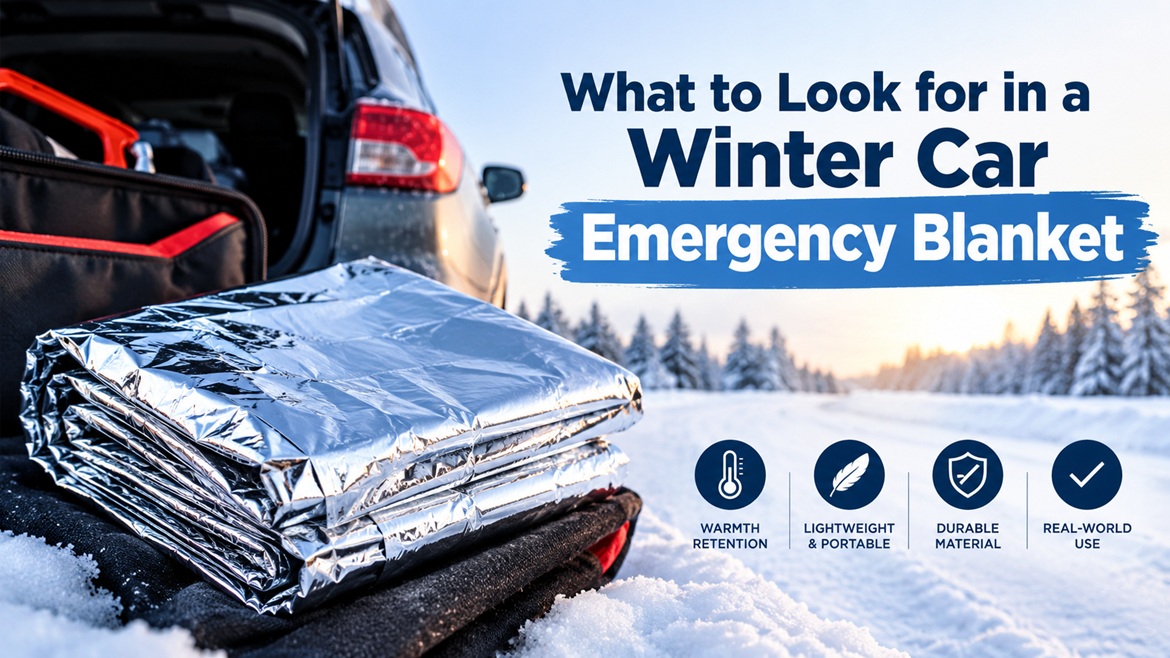
What to Look for in a Winter Car Emergency Blanket
A good emergency blanket can matter a lot if you're ever stranded in the cold. Here's what to look for before you buy one for your car.
What to Do if Your Car Gets Stuck on a Winter Highway
Stranded on a highway during a storm or closure? Here's how to stay safe and warm if your car gets stuck on a winter highway in Canada.
How to Defrost Your Car Quickly and Safely
Running late with a frozen car? Here's how to defrost your car quickly and safely, including what to do after a full ice storm.